
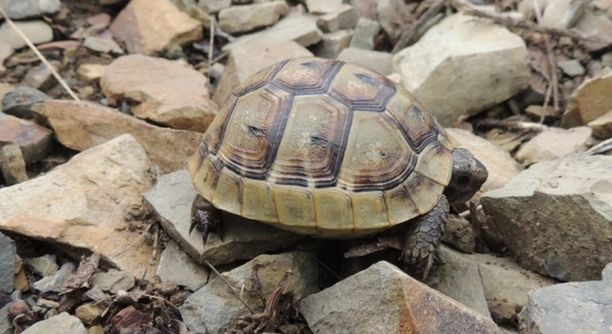
Russian tortoises often bury themselves for various reasons, such as environmental comfort and instinctual behaviors. Understanding this natural tendency can help you care for your pet and ensure its well-being in your home.
Russian tortoises dig and bury themselves as a way of finding comfort, security, or coolness. This behavior is normal and linked to their natural instincts to hide from predators, regulate temperature, and create a safe resting spot.
There are simple steps you can take to support your tortoise’s needs and prevent unnecessary stress. Understanding their digging behavior will ensure your pet is happy and healthy in its environment.
Why Do Russian Tortoises Bury Themselves?
Russian tortoises are naturally inclined to dig and bury themselves for several reasons. Most of the time, they seek to escape heat, find cooler spots, or even just feel safer. In the wild, tortoises bury themselves to hide from predators or extreme weather conditions. This instinct is deeply rooted in their behavior and helps them feel more secure in their environment. At home, your tortoise may dig to regulate its body temperature or to establish a safe, private space. Keeping a consistent temperature and offering hiding spots in their habitat can help reduce unnecessary digging.
When you see your Russian tortoise burrowing, it’s likely just acting out its natural instincts. A well-maintained enclosure with various hiding options can reduce over-digging. However, this is a normal and healthy behavior for them.
In some cases, Russian tortoises might dig to look for food or even escape from their environment. While this behavior is typical, it’s essential to check their habitat for any possible stressors. The more comfortable and secure the space, the less likely your tortoise will feel the need to dig excessively.
How Temperature Affects Their Behavior
Temperature plays a major role in your Russian tortoise’s decision to dig. If the environment is too warm, they might bury themselves to escape the heat. Providing areas that are cool enough for them to hide in can help prevent this.
Russian tortoises are sensitive to extreme temperatures. In the wild, they adjust to seasonal changes by burrowing into the ground to stay cooler in hot weather and warmer during the winter. At home, setting up an area with a consistent cool temperature and hiding spots, such as a log or burrow-like area, can mimic this natural environment and help prevent excessive digging. Offering a variety of areas with different temperatures will allow them to choose what feels best to them, keeping them comfortable and happy. This also prevents them from constantly searching for cooler spots to hide.
The Role of Diet in Digging Behavior
Sometimes, your Russian tortoise’s digging can be linked to its diet. If they’re hungry or not getting enough nutrients, they may dig in search of food. Ensure you’re feeding them a balanced diet that includes leafy greens, vegetables, and occasional fruits.
If your tortoise isn’t eating enough or seems overly focused on digging, it could be a sign that its diet isn’t meeting its needs. Providing a variety of fresh, nutrient-rich foods can help curb this behavior. You might also notice that a lack of calcium or other minerals in their diet can lead them to act out more frequently. Keeping their food fresh and varied can reduce the urge to dig for food.
A lack of hydration can also trigger digging behaviors. Ensure your tortoise has constant access to fresh water. This, combined with a diet full of hydrating veggies, can help maintain its health and keep its digging under control. A proper diet and hydration will help your tortoise feel satisfied, reducing the need for excessive burrowing.
Stress Factors That Cause Digging
Stress can make your tortoise feel uneasy, leading it to dig or bury itself. Environmental changes, like loud noises or unfamiliar scents, may contribute to this behavior. Keeping a stable environment can help reduce stress.
Changes in the tortoise’s environment, such as moving their enclosure or introducing new pets, can create unnecessary anxiety. This stress can trigger the instinct to dig or hide. To avoid this, try to maintain a calm, quiet space for your tortoise. Minimize loud noises and avoid placing them in an area where they may feel threatened. Providing them with a stable, secure home is one of the best ways to reduce digging related to stress.
Another stressor could be overhandling. While it’s great to interact with your tortoise, it’s important not to overwhelm it. Too much human interaction can lead to stress, which results in more digging. Letting your tortoise explore its space in its own time will ensure it feels safe and comfortable in its home.
How to Create a Comfortable Habitat
A comfortable habitat can reduce excessive digging in your Russian tortoise. Ensure its enclosure has areas with different temperatures, including a cool spot for hiding. You can add hides or tunnels to provide a sense of security.
By setting up various temperature zones, your tortoise can choose where it feels most comfortable. A basking spot with a heat source is important for warmth, but don’t forget to include a cool area where your tortoise can retreat if it gets too warm. Adding substrates like soil or sand can help mimic its natural environment, encouraging healthy digging behavior while reducing stress. Make sure the enclosure is large enough for them to roam freely, so they don’t feel confined.
A few plants or rocks can add variety to the habitat, helping your tortoise feel more at ease. Providing these options will give your tortoise the ability to engage in natural behaviors without resorting to excessive burrowing.
Substrate Options for Digging
Substrate options like soil, sand, or coconut fiber allow your tortoise to dig safely. These materials mimic the natural environment, offering them the chance to behave instinctively without causing harm.
Choosing the right substrate is key for your tortoise’s well-being. Avoid using materials like cedar chips or pine shavings, as they can release harmful oils. Instead, opt for a mix of soil and sand to create a stable, safe digging environment. Coconut fiber is another good option, as it is soft and easy to burrow into. This not only satisfies their need to dig but also helps with humidity control in the habitat.
FAQ
Why is my Russian tortoise digging so much?
Russian tortoises dig as a natural instinct to regulate their environment. It could be seeking cooler temperatures, finding a safe space, or just engaging in its instinctual behavior. Digging is a common and healthy activity, especially when they feel secure in their environment. If digging becomes excessive, check for stressors like temperature fluctuations or insufficient space.
How can I stop my tortoise from digging?
While you can’t fully stop a Russian tortoise from digging, you can reduce unnecessary digging. Create a habitat that mimics its natural environment. Ensure there are areas with both cool and warm temperatures. Providing hides and plenty of space will make your tortoise feel secure and less likely to dig excessively.
Should I be worried if my tortoise is constantly burying itself?
Burying itself is often a sign that your tortoise is comfortable, seeking a cooler area, or trying to find a safe spot. This behavior is generally normal, but if it seems overly persistent or your tortoise appears stressed, you should review its environment for potential issues such as temperature imbalances or inadequate space.
Can stress cause my tortoise to dig more?
Yes, stress can lead to more digging. If your tortoise feels threatened by loud noises, sudden changes in its environment, or too much handling, it may resort to digging as a coping mechanism. Keeping a calm, stable environment is essential in reducing stress and controlling digging behavior.
How can I tell if my tortoise is stressed?
Signs of stress in Russian tortoises include constant digging, hiding, loss of appetite, and aggressive behavior. A stressed tortoise might also seem more withdrawn or exhibit signs of illness. If you notice these behaviors, check its habitat for factors such as incorrect temperature, lighting, or handling practices.
What type of substrate should I use for my Russian tortoise’s enclosure?
A good substrate for Russian tortoises includes a mix of soil and sand, which allows for natural digging. Avoid using materials like cedar or pine, as they can cause respiratory issues. Coconut fiber is also a suitable option that mimics natural conditions and helps maintain humidity in the habitat.
How deep should I make the substrate for digging?
The substrate should be deep enough for your tortoise to dig comfortably but not so deep that it becomes trapped. A depth of 3 to 4 inches is usually ideal for Russian tortoises, giving them room to dig without feeling restricted or overwhelmed.
Does my tortoise need a humid environment to stop digging?
Russian tortoises don’t require high humidity but do benefit from a balanced environment. Too much humidity might make them uncomfortable, but a dry habitat could lead to dehydration. A consistent temperature gradient, with access to both cool and warm areas, will keep your tortoise healthy and help regulate its digging behavior.
Is it okay if my Russian tortoise digs up its food?
Yes, it’s normal for Russian tortoises to dig around their food. It’s a natural behavior that they engage in when foraging. However, ensure the food is easily accessible to avoid frustration. Placing food on a flat surface can also help prevent your tortoise from burying it unintentionally.
How can I improve my tortoise’s diet to reduce digging?
Make sure your Russian tortoise is eating a balanced diet rich in leafy greens, vegetables, and occasional fruits. A lack of nutrients or hydration can contribute to excess digging. You should also provide calcium supplements to ensure proper shell and bone health. Hydration, in the form of fresh water or moist foods, is also important.
Can my tortoise dig through the enclosure?
Russian tortoises are strong diggers, and while they are unlikely to dig their way completely out of an enclosure, they might try. To prevent this, make sure the sides of the enclosure are high enough and that the substrate is packed tightly. You can also bury the edges of the walls in the substrate to keep your tortoise from tunneling under the enclosure.
What are signs that my tortoise may be digging due to health issues?
If your tortoise digs excessively and shows signs of lethargy, weight loss, or a lack of appetite, it may be a health issue. These symptoms could indicate an underlying problem such as respiratory issues, parasites, or dehydration. In this case, it’s best to consult with a vet to rule out any health concerns.
Final Thoughts
Russian tortoises digging and burying themselves is a normal behavior that stems from their natural instincts. In the wild, they dig to find cooler areas, hide from predators, or create a safe, comfortable space. At home, this instinct is often triggered by their need to regulate temperature or to feel secure. It’s important to understand that this behavior is part of their natural routine and should not be seen as a problem unless it becomes excessive or is accompanied by other signs of stress or discomfort.
To create an environment where your tortoise feels comfortable, it’s essential to provide a habitat that closely resembles its natural conditions. This includes having both warm and cool areas, hiding spots, and appropriate substrate for digging. A balanced, safe environment will help reduce any unnecessary stress or excessive digging. If you notice your tortoise digging more than usual, take a look at its habitat and diet to ensure everything is as it should be. Providing a variety of food, offering fresh water regularly, and maintaining a stable temperature will also go a long way in keeping your tortoise content.
In conclusion, understanding your Russian tortoise’s behavior and needs will help ensure it lives a healthy and comfortable life. Digging is just one way they express themselves and regulate their environment. As long as the behavior doesn’t indicate stress or health issues, there’s no need for concern. By offering the right care and environment, you can support your tortoise’s natural instincts and keep it happy for years to come.

Hello,
If you enjoy the content that we create, please consider saying a "Thank You!" by leaving a tip.
Every little bit helps us continue crafting quality advice that supports the health, happiness, and well-being of pets around the world, for pets of all shapes, sizes, and species.
We really appreciate the kindness and support that you show us!