
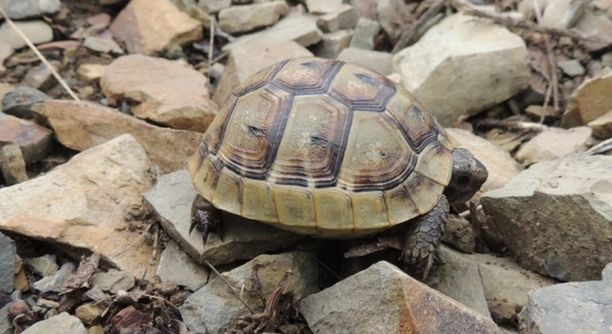
A balanced diet is essential for the well-being of a Russian tortoise. Proper nutrition ensures they stay healthy and thrive throughout their lives. This guide will help you understand what foods are best suited for your tortoise.
A balanced diet for a Russian tortoise consists mainly of leafy greens, vegetables, and occasional fruits. It’s important to avoid high-protein foods and offer a variety of plants to ensure they receive all necessary nutrients while preventing obesity and digestive issues.
Offering the right mix of foods is key to your tortoise’s health and longevity. Knowing the dos and don’ts of their diet will help ensure they live a long, happy life.
Understanding the Russian Tortoise Diet
Russian tortoises are herbivores and thrive on a diet made up mostly of plants. Providing a variety of leafy greens like collard greens, dandelion greens, and mustard greens ensures they receive essential vitamins and minerals. Vegetables such as zucchini, bell peppers, and carrots also make great additions. Be cautious with fruits as they are higher in sugar, and feeding them too much can lead to health issues like obesity or digestive problems. Offering foods that are high in fiber is also important for their digestive health, especially hay. A good balance will keep them healthy and active.
In addition to greens, it’s important to supply your tortoise with calcium-rich foods to support their shell and bone health. You can offer foods like kale, which has a good amount of calcium, or provide a calcium supplement as directed by a vet.
If your tortoise isn’t eating enough of the right foods, it could lead to weight gain or malnutrition. Monitoring their diet and offering varied, healthy foods will ensure they stay healthy throughout their life.
Foods to Avoid
Avoid feeding your Russian tortoise high-protein foods, as these can cause kidney damage and other health problems. Foods like meat, dairy, or processed foods should never be part of their diet. It’s best to focus on plant-based options only.
Some common foods, like iceberg lettuce, offer little nutritional value and can even cause digestive upset. Fruits such as apples and strawberries should be fed sparingly, as they are high in sugar. This can lead to weight gain and metabolic issues in the long run. Stick to the basics, such as leafy greens and vegetables, for a healthy diet.
Another food to avoid is spinach. While it contains nutrients, spinach also contains oxalates that can bind with calcium and prevent proper absorption, leading to potential bone health issues. Be mindful of what you offer and avoid any foods that could harm your tortoise’s health.
Hydration Needs
It’s essential to keep your Russian tortoise hydrated to support their overall health. They should have access to fresh water at all times, ideally in a shallow dish that’s easy to access. Regular soaking can also help maintain hydration.
Soaking your tortoise in warm water for about 15 minutes can help with hydration and keep their skin healthy. Make sure the water is shallow enough for your tortoise to easily climb in and out. It’s a simple practice, but it can make a big difference for their overall well-being. If your tortoise is dehydrated, you may notice a decrease in activity or more frequent pyramiding of their shell.
In addition to soaking, offer water alongside their meals. Tortoises may also drink water from wet greens or vegetables, so ensure their food is slightly moist. Keeping your tortoise hydrated reduces the risk of urinary issues and supports better digestion.
Offering Variety
Variety is important when feeding your Russian tortoise. Different plants provide different nutrients, which helps prevent deficiencies. Rotate their greens and vegetables to make sure they’re getting a wide range of vitamins and minerals.
Try offering a mix of leafy greens, colorful veggies, and occasional flowers. This will help keep things interesting for your tortoise and ensure they’re eating a balanced diet. It’s also important to avoid feeding the same foods every day, as it can lead to imbalances in their nutrition.
Supplements and Calcium
Russian tortoises need calcium to maintain a healthy shell and bones. A calcium supplement is recommended, especially if their diet lacks calcium-rich foods. Sprinkle the supplement over their greens every few days, depending on your vet’s guidance.
Calcium is especially important for tortoises kept indoors. If they don’t get enough natural sunlight, they may not produce enough vitamin D3 to absorb calcium efficiently. A UVB light can help with this, but calcium supplementation is still crucial.
Feeding Schedule
Establishing a consistent feeding schedule helps your Russian tortoise feel secure and allows you to monitor their eating habits. Feed them daily in the morning or evening, with fresh food available for a few hours.
Stick to a consistent feeding routine so your tortoise can anticipate meals. This helps avoid overeating or underfeeding. Additionally, providing food at the same time each day helps with their digestion and metabolism.
FAQ
How often should I feed my Russian tortoise?
Russian tortoises should be fed daily, with fresh food provided in the morning or evening. They generally eat in the early part of the day, so try to offer their meals at a consistent time. A varied diet of leafy greens, vegetables, and occasional fruits should be offered daily, but avoid overfeeding. It’s important to ensure they are eating a good amount, but you don’t want to overload them with too much food at once. A couple of hours to eat and finish their meal is usually sufficient.
Can I feed my Russian tortoise fruits every day?
Fruits should only be offered occasionally, not every day. They contain high sugar content, which can lead to obesity and other health issues if consumed too frequently. Stick to giving small pieces of fruit once or twice a week. Suitable fruits include strawberries, apples, and melon. Always remember to remove any uneaten fruit after a few hours to avoid spoilage.
What are the best greens for a Russian tortoise?
Leafy greens are the best choice for your Russian tortoise. Kale, dandelion greens, mustard greens, and collard greens are some of the most nutritious options. Avoid iceberg lettuce, as it lacks essential nutrients and can cause digestive issues. Mix up their greens regularly to offer a variety and ensure balanced nutrition. Greens with a high calcium content, like kale, are particularly important to maintain healthy bones and shells.
Is it safe to give my Russian tortoise vegetables like carrots and bell peppers?
Yes, both carrots and bell peppers are safe for your Russian tortoise. Carrots provide vitamin A, while bell peppers add variety and offer vitamin C. However, they should only make up a small portion of the diet. Bell peppers should be chopped into small, manageable pieces, and carrots should be given in moderation. Both vegetables should be part of a varied diet, not the primary food.
How much water does my Russian tortoise need?
Your Russian tortoise needs access to clean water at all times. A shallow dish with fresh water should be available throughout the day. They also benefit from occasional soaking in lukewarm water for 15-20 minutes a few times a week, which helps with hydration and promotes healthy digestion. The water should be shallow enough for them to easily climb in and out of without difficulty.
Can I feed my Russian tortoise spinach?
Spinach should be avoided in large amounts. While it is rich in nutrients, spinach contains oxalates, which can interfere with calcium absorption and potentially lead to kidney problems. If fed occasionally, small amounts may be acceptable, but it should not be a regular part of their diet. Stick to a variety of other leafy greens instead.
Do Russian tortoises need any special supplements?
Calcium is a vital supplement for Russian tortoises, especially if they are not getting enough from their diet. If your tortoise’s diet is low in calcium-rich foods like kale, you can sprinkle a calcium supplement on their greens once or twice a week. If your tortoise is housed indoors and does not get natural sunlight, a UVB light should also be used to help them absorb calcium more efficiently.
What types of flowers can I feed my Russian tortoise?
Russian tortoises can eat a variety of safe flowers. Dandelions, hibiscus, and pansies are excellent options that are both nutritious and enjoyable for your tortoise. Make sure to avoid flowers that have been treated with pesticides or chemicals, as these can be harmful to your tortoise’s health. Always ensure that the flowers you offer are non-toxic and safe for consumption.
How do I know if my Russian tortoise is overweight?
Overweight tortoises may have difficulty moving around, and their shells may appear swollen or misshapen. If your tortoise is not as active as usual or has trouble walking, it could be a sign of weight issues. You should monitor how much you are feeding and ensure that their diet is balanced, with enough fiber and fewer sugary or high-fat foods. Regularly checking their body condition is important to ensure their health remains optimal.
Should I feed my Russian tortoise commercially prepared food?
While some commercially prepared food for tortoises can be used occasionally, it is generally not recommended as a primary food source. Fresh, whole foods like leafy greens and vegetables should make up the majority of your tortoise’s diet. Commercial food can be high in protein and low in fiber, which is not ideal for their digestion. Stick to a more natural diet with plenty of variety.
Can my Russian tortoise eat weeds?
Yes, your tortoise can eat certain types of weeds, and they may even prefer them. Weeds like dandelions, clover, and plantain are safe and nutritious for them. However, always be cautious about where you collect them to avoid weeds that have been sprayed with pesticides or herbicides. Ensure the weeds are from pesticide-free areas before offering them to your tortoise.
What is the best way to feed my Russian tortoise to prevent obesity?
To prevent obesity, provide a balanced diet with plenty of low-calorie foods like leafy greens and high-fiber vegetables. Avoid sugary fruits and high-protein foods. Monitor portion sizes, as overfeeding can lead to weight gain. Regularly weigh your tortoise to keep track of their health. Additionally, offer a variety of food to encourage them to stay active and engaged during mealtime.
Final Thoughts
Feeding a Russian tortoise requires careful attention to their dietary needs to ensure they stay healthy and thrive. Their diet should be primarily plant-based, with a focus on leafy greens and fibrous vegetables. Providing a variety of foods helps prevent nutritional imbalances and ensures they get the vitamins and minerals they need. It’s also important to avoid high-protein foods, sugary fruits, and vegetables like spinach, which can interfere with calcium absorption. Regularly changing up the foods you offer is crucial to their overall health and enjoyment.
Calcium is one of the most important nutrients for a Russian tortoise. Their shells and bones rely on proper calcium intake, so supplementing their diet with a calcium powder or providing calcium-rich foods is a must. If your tortoise is housed indoors, be sure they have access to UVB light, as this helps them absorb calcium more effectively. You should also monitor their weight and eating habits to ensure they are not becoming overweight. Overfeeding, especially with foods that are high in sugar or fat, can lead to obesity and other health issues.
Finally, always be mindful of hydration. Fresh water should be available at all times, and regular soaking helps ensure they stay hydrated and support healthy digestion. A consistent feeding schedule is also helpful for maintaining their overall well-being. By providing a variety of safe, nutritious foods, calcium supplementation, and proper hydration, you can help your Russian tortoise live a long and healthy life. Keeping their diet simple yet balanced is key to their happiness and longevity.

Hello,
If you enjoy the content that we create, please consider saying a "Thank You!" by leaving a tip.
Every little bit helps us continue crafting quality advice that supports the health, happiness, and well-being of pets around the world, for pets of all shapes, sizes, and species.
We really appreciate the kindness and support that you show us!