
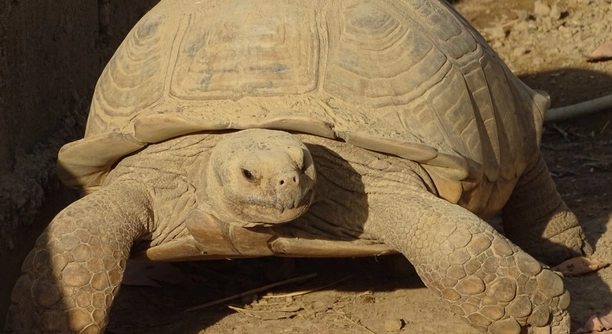
Introducing two Sulcata tortoises to each other can be a delicate process. It requires patience, understanding, and the right approach to ensure they coexist peacefully. This guide provides essential tips to help you through this process.
To successfully introduce two Sulcata tortoises, start by creating neutral ground and allowing them to observe each other from a safe distance. Gradually increase their interaction time, ensuring there is enough space and no signs of aggression.
By following these steps, you can help your tortoises form a positive relationship and ensure their well-being. The process is simple but requires consistent attention to their needs.
Preparing the Environment
When introducing two Sulcata tortoises, it’s crucial to first set up a neutral space. This prevents either tortoise from feeling territorial. Start with an enclosure that is free from any established scent or marks from the animals. This helps in eliminating stress and ensures both tortoises feel equally comfortable. You can use a large pen or an empty room, as long as there are no objects that either tortoise may claim as their own. It’s essential to have enough space for them to move freely without feeling crowded.
The size of the enclosure matters, as Sulcata tortoises require room to roam. A small area may cause them to feel stressed and defensive. The space should allow them to explore and keep a safe distance from each other if needed. Place food and water at opposite ends to encourage them to spread out.
A calm, neutral setting is the first step toward a peaceful interaction between two Sulcata tortoises. It allows them to familiarize themselves with each other without the added pressure of territorial instincts.
Supervised Introductions
Start by introducing the two tortoises for short periods. Supervision is necessary to make sure neither tortoise feels threatened. Keep a close watch for signs of aggression, such as head bobbing or biting.
During the first meeting, do not rush the process. Allow each tortoise to move around and explore the new environment. This gives them time to adjust to each other’s presence. If either tortoise shows signs of aggression, it’s important to separate them immediately and try again later.
The first few introductions should be brief, lasting no more than 20 to 30 minutes. Gradually increase the length of time as they become more accustomed to each other. Be patient, as rushing the introduction can result in unnecessary stress. Keep observing their behavior closely, making adjustments as needed.
Observe Their Behavior
Watching how the tortoises act around each other is key. Look for signs of interest, like sniffing or following each other. However, also be alert for signs of stress, such as retreating or defensive postures. Early interactions should be calm and slow. If one tortoise seems more dominant, the other may need space. It’s important to ensure both tortoises feel comfortable in the new environment.
Signs of aggression include head bobbing, charging, or biting. If either tortoise exhibits this behavior, remove them from the enclosure to prevent injury. Keep the tortoises separated for a period and give them time to cool down. Tortoises communicate through body language, so being observant is essential in assessing their readiness to coexist. Monitoring their movements will also help you notice when they start to feel more comfortable with one another.
Don’t be discouraged if the tortoises don’t get along immediately. It can take time for them to adjust to each other. Some tortoises take longer than others to feel at ease. With consistent observation and patience, they will learn to coexist peacefully.
Gradual Interaction Time
Once the tortoises are comfortable with each other in a neutral space, gradually increase their time together. This step helps them build trust and allows them to establish a mutual understanding. Begin with a short period, no longer than 15 minutes, and slowly add more time as they show less tension.
Over time, the tortoises should become more relaxed. Avoid forcing them into close proximity if they appear stressed. The key is to let them approach each other at their own pace. Providing consistent, supervised interactions ensures their comfort and safety. If one tortoise shows signs of aggression, it’s best to give them a break and try again after a few days.
During these initial interactions, make sure they have access to food and water at separate locations. This reduces competition for resources and minimizes tension. Be mindful of their behavior at all times to prevent any harmful encounters.
Provide Hiding Spots
Include plenty of hiding spots in the enclosure to help the tortoises feel secure. Hiding places give each tortoise a chance to retreat if they feel overwhelmed or threatened. Small shelters or natural objects like logs and rocks can serve as perfect hideaways. This ensures they have space when they need it.
By providing these shelters, you allow both tortoises to have their own space without causing stress. Even though they may not use them constantly, having these spots available ensures that each tortoise has a place to feel safe. This will reduce potential conflict.
Monitor Their Health
Make sure both tortoises are healthy before introducing them. If one tortoise is unwell, it could affect the success of the introduction. An unhealthy tortoise may be more aggressive or stressed, making the process harder. Check for any signs of illness or discomfort regularly.
Ensure that both tortoises are eating well and are in good physical condition. Healthy tortoises are more likely to adapt to each other successfully. Before proceeding with any introduction, a check-up from a veterinarian is a good idea to avoid introducing any health concerns.
Consider Gender Differences
Understanding the gender of each tortoise can help in managing their interactions. Male tortoises can be more territorial or aggressive, especially if they are introduced to another male. Female tortoises are generally less likely to show signs of aggression, though this can vary.
If introducing two males, be extra cautious. Males may engage in more frequent head-bobbing or attempts to assert dominance. In some cases, separating them temporarily and reintroducing them later may help. Make sure each tortoise feels comfortable before increasing the time they spend together.
FAQ
What if the tortoises fight during the introduction?
If the tortoises fight, separate them immediately to prevent injury. Allow them some time to calm down, then try the introduction again in a neutral environment. If they continue to show aggression, consider taking a longer break between introductions. Ensure each tortoise has enough space and avoid forcing them together too quickly.
How long does it take for two Sulcata tortoises to get along?
The time it takes for Sulcata tortoises to get along varies. It could take anywhere from a few days to several weeks, depending on their personalities and previous experiences. Gradually increasing interaction time can help them adjust, but be patient and observe their behavior closely.
Should I feed them together during the introduction?
It’s best to feed the tortoises separately during the introduction process. This prevents any food-related aggression. Place their food and water in different areas of the enclosure to reduce competition. This will allow them to focus on each other instead of fighting over resources.
Can I introduce tortoises of different sizes?
Yes, you can introduce tortoises of different sizes, but extra caution is needed. Larger tortoises may unintentionally bully smaller ones, so keep a close eye on their interactions. Ensure the smaller tortoise has enough space to retreat to a hiding spot if needed.
Is it okay to introduce tortoises of different ages?
Introducing tortoises of different ages is possible, but again, take extra care. Older tortoises may be more dominant, which can make younger tortoises stressed or submissive. Ensure that the younger tortoise has its own space and can escape if the older tortoise becomes too aggressive.
What signs should I look for to know if they are getting along?
Signs that tortoises are getting along include calm behavior, no signs of aggression, and them being able to share space without stress. They may start moving together, sharing food, or even grooming each other. However, don’t mistake tolerating each other for true bonding. Look for consistent, peaceful behavior.
Can they stay together permanently after the introduction?
Once the tortoises have adjusted to each other and are not showing signs of aggression, they can stay together permanently. Continue to monitor them closely, especially during the first few weeks. Some tortoises may need periodic breaks from each other, but with enough space, they can cohabit peacefully.
How do I know if my tortoises are stressed?
Signs of stress in tortoises include retreating into their shells, excessive pacing, or lack of interest in food. If one tortoise seems to be constantly trying to escape, or if they exhibit aggressive behavior such as biting or head-bobbing, they may be stressed. Providing hiding spots and space can help reduce this.
Do I need to supervise them all the time after the introduction?
While it’s essential to supervise the tortoises during the initial introductions, you don’t need to watch them constantly once they are comfortable with each other. However, it’s still a good idea to check on them periodically to make sure no issues arise. If you notice any signs of aggression or stress, separate them and try again later.
Can I use a divider to separate them?
Yes, using a divider can help if you need to separate them temporarily during the introduction process. This ensures each tortoise has its own space while still being able to see and smell each other. Gradually remove the divider as they become more comfortable with each other.
Final Thoughts
Introducing two Sulcata tortoises to each other can be a rewarding experience with the right preparation and approach. It’s essential to monitor their behavior closely during the process to ensure their safety and comfort. Each tortoise has its own temperament, so patience is key. Gradually increasing their time together allows them to become familiar with each other at their own pace. The more you understand their body language and how they interact, the easier the introduction will be.
Creating an environment where both tortoises can feel secure is crucial. Provide plenty of space, hiding spots, and resources like food and water. This helps reduce potential stress and aggression. If there are any signs of discomfort or aggression, don’t hesitate to separate them and try again later. Tortoises may need several attempts before they get comfortable with one another. The goal is not to rush the process but to let them adjust in a way that works best for both.
Ultimately, the success of the introduction depends on the individual tortoises. Some may get along quickly, while others may need more time. As long as you’re observant and patient, the chances of them forming a peaceful relationship are high. Keep in mind that no two tortoises are the same, and what works for one pair may not work for another. By following the steps outlined and being attentive to their needs, you can help ensure that your Sulcata tortoises live together peacefully for years to come.

Hello,
If you enjoy the content that we create, please consider saying a "Thank You!" by leaving a tip.
Every little bit helps us continue crafting quality advice that supports the health, happiness, and well-being of pets around the world, for pets of all shapes, sizes, and species.
We really appreciate the kindness and support that you show us!