
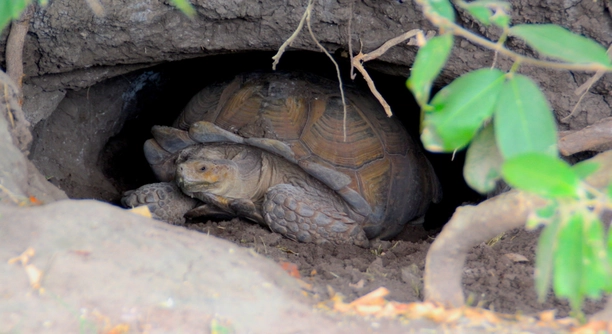
If your sulcata tortoise has been scratching its legs more than usual, it could be a sign of discomfort or a common behavior. Tortoises may scratch themselves for a variety of reasons, some of which are harmless, while others may indicate a health issue.
The main reason why your sulcata tortoise is scratching its legs is likely due to a buildup of dry skin or environmental factors. Dry conditions, improper humidity, or an inadequate substrate can cause irritation, prompting your tortoise to scratch for relief.
By identifying the cause of the scratching, you can help your sulcata tortoise stay comfortable and healthy. Understanding how to address this issue will improve its well-being.
Common Reasons for Scratching
One common reason your sulcata tortoise may be scratching its legs is dry skin. Tortoises need a specific humidity level to stay healthy. When the humidity in their habitat is too low, their skin can dry out, leading to itching and irritation. If your tortoise is constantly scratching its legs, it’s important to check the humidity levels in its enclosure. A small humidifier or misting the habitat regularly can help keep the environment moist enough for your tortoise to feel comfortable.
Another factor could be the type of substrate used in the enclosure. If it’s too rough, it can irritate your tortoise’s skin and lead to excessive scratching. Using soft bedding, like coconut husk or turf, can make a big difference in how your tortoise feels.
It’s also important to remember that sulcata tortoises are naturally active and may scratch their legs as part of their normal behavior. However, it’s always a good idea to rule out environmental causes first.
How to Adjust Humidity and Substrate
To prevent your tortoise from scratching, adjusting the humidity and substrate is key. Make sure the humidity is at the recommended 50–70% range for sulcata tortoises.
Adding a soft, absorbent substrate like coconut fiber or a mix of organic soil will not only help with skin irritation but also provide a more natural environment. A well-maintained enclosure with proper humidity will significantly reduce your tortoise’s urge to scratch its legs. Regular monitoring can prevent discomfort.
Overgrown Nails
Long nails can make your sulcata tortoise scratch its legs. Overgrown nails may cause discomfort and lead to unnecessary scratching. Regular nail trimming can prevent this problem and help keep your tortoise comfortable. If your tortoise’s nails are too long, it’s time for a trim.
Trim the nails carefully to avoid injury. If you’re unsure, visit a reptile vet for guidance. This is a simple step that can make a big difference. If trimming nails at home, use a specialized reptile nail trimmer and trim little by little. Over time, maintaining proper nail length will ensure your tortoise isn’t scratching due to discomfort.
It’s also essential to check if your tortoise’s environment encourages natural nail wear. Providing rougher surfaces like rocks can help keep nails from growing too long. A balance between trimming and natural wear is ideal for your tortoise’s health.
Skin Infections
Another reason for scratching could be a skin infection. If your sulcata tortoise scratches excessively, it might be suffering from a fungal or bacterial infection. Check for signs such as discoloration, swelling, or sores on its legs. Skin infections can develop if the habitat is too damp or the tortoise’s skin remains wet for too long.
To avoid skin infections, always ensure your tortoise’s enclosure has proper ventilation and dry, clean bedding. A clean environment is vital to preventing bacteria from building up. If you notice signs of infection, contact a vet for treatment. Keeping your tortoise’s skin healthy through proper care will reduce the chance of infections and the scratching that comes with it.
Parasites
Parasites, like mites or ticks, can cause your sulcata tortoise to scratch its legs. These tiny creatures can be hard to spot but are often the reason for persistent scratching. Regular checks for parasites can prevent this issue.
If you suspect your tortoise has parasites, consult with a reptile vet. They can recommend the best treatment to remove these pests. Parasites can lead to other health problems if left untreated, so prompt attention is crucial.
Stress
Stress can also lead to excessive scratching in tortoises. When they feel threatened or out of their comfort zone, scratching may be a way of coping. If your sulcata tortoise’s habitat is too noisy or if it’s often handled, stress might be the issue.
To reduce stress, create a quiet, calm environment for your tortoise. Limit unnecessary handling and avoid loud noises near its enclosure. A peaceful space will help your tortoise feel safe and reduce stress-related behaviors like scratching.
FAQ
Why is my sulcata tortoise scratching its legs constantly?
Constant scratching can be caused by dry skin, overgrown nails, skin infections, or parasites. Check your tortoise’s environment for dryness or rough surfaces that could be irritating. Ensure it has soft, clean bedding and the humidity is at the right level. If the problem persists, consider visiting a vet to rule out any health issues.
How can I help my tortoise with dry skin?
To help your tortoise with dry skin, increase humidity in its enclosure. You can use a humidifier or mist the enclosure regularly. Adding a small water dish for soaking may help too. Make sure to provide soft bedding like coconut husk to avoid further irritation.
How do I trim my tortoise’s nails?
Trimming your tortoise’s nails can prevent discomfort and excessive scratching. Use reptile nail clippers or a specialized trimmer. Cut little by little to avoid cutting too much. If unsure, a vet can show you how to trim nails safely. Always be careful not to hurt the tortoise.
How often should I clean my sulcata tortoise’s enclosure?
It’s important to clean your sulcata tortoise’s enclosure regularly to avoid skin infections and other health issues. Spot clean daily to remove waste, and give it a thorough cleaning once a week. Ensure that bedding is dry and fresh to maintain a healthy environment for your tortoise.
Can poor diet cause scratching?
Yes, a poor diet could contribute to skin issues and scratching. Make sure your tortoise is eating a balanced diet, including leafy greens, hay, and some fruits. Lack of proper nutrition may cause skin problems and overall discomfort, leading to more scratching.
Should I be concerned if my tortoise scratches its legs only occasionally?
Occasional scratching is normal for tortoises, especially if they are moving around and interacting with their environment. However, if it becomes frequent or excessive, it’s important to check for skin irritation, infections, or other underlying issues. A quick check-up can help you identify if there’s a bigger concern.
What signs should I look for to know if my tortoise has an infection?
Look for redness, swelling, sores, or discharge around your tortoise’s legs and skin. If you notice any of these signs, it’s a good idea to take your tortoise to a reptile vet. Early treatment will prevent the infection from worsening.
Can stress cause my sulcata tortoise to scratch its legs?
Yes, stress can cause scratching and other abnormal behaviors in tortoises. If your tortoise feels threatened, uncomfortable, or is constantly handled, it may scratch its legs as a sign of distress. Create a calm and quiet environment for your tortoise to reduce stress-related behaviors.
What type of bedding should I use for my sulcata tortoise?
Use soft, absorbent bedding like coconut husk or organic soil to keep your tortoise comfortable. Avoid using rough substrates like sand or wood shavings, as these can irritate your tortoise’s skin. Proper bedding will also help regulate humidity levels and prevent skin problems.
Is it safe to let my tortoise roam outside?
Yes, letting your sulcata tortoise roam outside is safe as long as the environment is suitable. Make sure the area is secure, free of predators, and has access to shade. Outdoor time allows your tortoise to forage and get natural sunlight, which is beneficial for its health.
How can I treat my tortoise for parasites?
If you suspect your tortoise has parasites, consult a reptile vet. They will conduct a thorough examination and recommend treatment, which may include medication or special care. Don’t attempt to treat parasites without professional guidance, as it can harm your tortoise.
Final Thoughts
When your sulcata tortoise scratches its legs, it could be a sign of something minor, like dry skin, or something more serious, such as an infection or parasites. It’s important to regularly check your tortoise for signs of discomfort and address any issues early. If you notice that scratching becomes excessive or persistent, it’s a good idea to visit a reptile vet to rule out health concerns. By paying attention to your tortoise’s environment and overall well-being, you can help reduce or eliminate scratching behaviors.
Creating a comfortable habitat for your sulcata tortoise is crucial. Ensure the enclosure is dry, clean, and has the right humidity levels. A proper diet, regular nail trimming, and clean bedding all contribute to your tortoise’s health and comfort. Additionally, maintaining a stress-free environment by limiting unnecessary handling and loud noises will help your tortoise feel safe. These small steps can go a long way in preventing scratching and other discomforts.
Remember, your tortoise’s health depends on consistent care and attention. Monitoring its behavior, especially when it comes to scratching, helps you catch problems early and make adjustments. Whether it’s adjusting the humidity, providing the right substrate, or taking care of its nails, each action you take plays a part in keeping your tortoise happy and healthy. By staying proactive and observing your tortoise closely, you can ensure it lives a long, healthy life.

Hello,
If you enjoy the content that we create, please consider saying a "Thank You!" by leaving a tip.
Every little bit helps us continue crafting quality advice that supports the health, happiness, and well-being of pets around the world, for pets of all shapes, sizes, and species.
We really appreciate the kindness and support that you show us!