
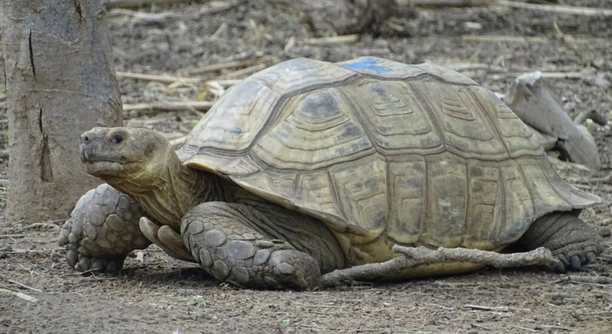
If you own a Sulcata tortoise, you may find yourself wondering which fruits are safe to feed them. With their large size and unique needs, proper diet is essential for their health and well-being.
Sulcata tortoises can eat peaches in moderation, but they should not be fed too often. Peaches are high in sugar, which can lead to digestive issues and obesity if consumed excessively. Always remove the pit before feeding.
Understanding how peaches fit into your tortoise’s diet can help you make better choices for their health. We’ll explore what else they should eat and the potential risks of overfeeding.
Are Peaches Safe for Sulcata Tortoises?
Feeding your Sulcata tortoise fruit like peaches can be a bit tricky. While peaches aren’t toxic to them, it’s important to offer them carefully. Fruits are high in sugars, which can be problematic for tortoises if given too frequently. They can disrupt their digestive system and cause weight gain, which could lead to health issues. When feeding peaches, always remove the pit to prevent choking hazards. It’s best to keep it as an occasional treat rather than a regular part of their diet.
Feeding them peaches can be enjoyable for both you and your tortoise, but moderation is key. They should not be eating fruit every day. Too much fruit can lead to an unbalanced diet.
Peaches contain vitamins and minerals that can benefit your tortoise in small amounts. They offer vitamin A and potassium, which support vision and muscle function. However, these nutrients can also be found in other vegetables and fruits that are safer for daily consumption. Therefore, peaches should never replace essential foods like leafy greens, which provide better nutrients for long-term health.
What Are the Best Fruits for Sulcata Tortoises?
If you’re looking for alternatives to peaches, there are several fruits you can safely give your tortoise in moderation. Apples, pears, and berries are all suitable options. These fruits are lower in sugar compared to peaches and contain fiber and vitamins.
Always remove the seeds or pits of fruits like apples to ensure they’re safe for your tortoise. Offering variety in their diet is important to prevent boredom and provide all the nutrients they need. Make sure the fruit is cut into manageable pieces to avoid choking.
Some fruits, like citrus, should be avoided entirely as they can upset your tortoise’s stomach. Stick to those that are less acidic and high in fiber. Along with fruits, their primary diet should include dark leafy greens like collard greens, dandelion greens, and mustard greens, which are more suitable for regular feeding. These foods offer the proper balance of nutrients and fiber for your tortoise to stay healthy.
How Often Should You Feed Peaches to Sulcata Tortoises?
Peaches should only be offered as an occasional treat, around once every two weeks. Overfeeding sugary fruits like peaches can disrupt your tortoise’s digestive system and lead to obesity.
Instead of relying on peaches, it’s best to focus on leafy greens and high-fiber vegetables. These should make up the majority of their diet. You can offer fruits like peaches once in a while for variety, but keep it balanced with nutrient-rich foods. This ensures your tortoise gets the right amount of vitamins and minerals without overdoing it on sugar.
A good rule of thumb is to limit fruit intake to 5-10% of their total diet. This includes peaches, which should not exceed a few small pieces per feeding. Keeping their diet low in sugar helps avoid long-term health problems and maintains their digestive health.
Risks of Feeding Too Many Sugary Fruits
Feeding too much fruit, especially high-sugar ones like peaches, can lead to various health issues. Tortoises may gain excess weight, which can cause joint strain and other complications.
High sugar content can also upset their gut bacteria, leading to digestion problems. Sulcata tortoises rely on a high-fiber diet to maintain a healthy gut. Fruits with high sugar levels don’t provide the necessary fiber and can interfere with their natural digestion processes. This imbalance could lead to gut impaction, which is a serious health concern. Consistent overfeeding of sugary fruits can also lead to metabolic problems, affecting your tortoise’s long-term health.
These potential risks highlight why it’s important to limit their fruit intake. Offering fruit in moderation ensures your Sulcata tortoise stays healthy and avoids complications from too much sugar.
How to Prepare Peaches for Your Sulcata Tortoise
Before offering peaches to your Sulcata tortoise, it’s important to prepare them correctly. Remove the pit to avoid choking hazards and cut the fruit into small, manageable pieces.
Wash the peach thoroughly to remove any pesticides or chemicals. Tortoises have sensitive digestion, so ensuring the fruit is clean is crucial. After preparing the peach, offer just a small portion. It’s important not to overfeed, as the high sugar content can cause digestive issues. Be mindful of portion sizes and the frequency of feeding.
Best Diet for Sulcata Tortoises
The best diet for a Sulcata tortoise focuses on high-fiber, low-sugar foods. Leafy greens like collard greens, dandelion greens, and romaine lettuce should be the primary components.
You can supplement their diet with various vegetables like squash, zucchini, and bell peppers. These provide essential nutrients and fiber without overloading them on sugar. Tortoises also need access to hay, such as timothy hay, to keep their digestion regular. Hydration is important as well, so fresh water should always be available. Consistently offering a variety of these foods ensures your tortoise receives the proper nutrition to thrive in captivity.
Other Fruits to Feed Sulcata Tortoises
In addition to peaches, you can occasionally offer other fruits like apples, pears, and berries. These fruits have lower sugar content and are better suited for tortoises.
Just like peaches, remove the seeds and cut the fruits into small pieces. Limit fruit intake to once or twice a week, focusing primarily on leafy greens and vegetables.
FAQ
Can Sulcata tortoises eat other types of fruit?
Yes, Sulcata tortoises can eat other fruits in moderation. Fruits like apples, pears, and berries are safe options. However, these should only make up a small portion of their diet. Too much fruit, especially those high in sugar, can cause digestive issues and obesity. It’s important to focus primarily on leafy greens and high-fiber vegetables for their overall health. Always remove any seeds or pits from fruits before offering them, as they can pose a choking hazard.
How much fruit should I feed my Sulcata tortoise?
Fruit should only make up about 5-10% of your tortoise’s overall diet. Overfeeding fruit, especially sugary types, can lead to digestive problems, obesity, and other health concerns. Instead, the majority of their diet should consist of high-fiber foods like leafy greens, vegetables, and hay. A small amount of fruit, such as a few pieces of peach or apple, once or twice a week is sufficient. Be sure to monitor your tortoise’s weight and health closely to avoid any negative effects from overfeeding fruit.
Are there fruits Sulcata tortoises should avoid?
Yes, there are certain fruits that should be avoided. Citrus fruits like oranges, lemons, and limes are highly acidic and can upset your tortoise’s stomach, leading to digestive issues. Additionally, any fruit with a large pit or seed, such as cherries or avocados, should be avoided due to the risk of choking or poisoning. Always research a fruit before offering it to your tortoise to ensure it’s safe and suitable for their diet. Sticking to safer options like apples and berries is always best.
Can Sulcata tortoises eat fruit every day?
No, Sulcata tortoises should not be fed fruit every day. Fruit is a treat and should only be offered occasionally to prevent digestive issues from excess sugar. Feeding them fruit too frequently can disrupt their digestive system and lead to health problems like obesity. Instead, focus on a balanced diet with leafy greens, vegetables, and hay. Offering fruit once or twice a week as a treat is the best approach.
What are the best vegetables for Sulcata tortoises?
The best vegetables for Sulcata tortoises are those high in fiber and low in oxalates. Leafy greens like collard greens, dandelion greens, and mustard greens are excellent choices. Other good vegetables include bell peppers, squash, zucchini, and carrots. These vegetables provide essential vitamins and nutrients without the risks associated with sugary fruits. It’s important to rotate the types of vegetables offered to ensure a balanced diet, and avoid feeding them high-oxalate veggies like spinach regularly.
Do Sulcata tortoises need calcium supplements?
Yes, Sulcata tortoises require calcium to support healthy bone growth and shell development. In the wild, they obtain calcium from natural sources, such as grasses and plants. In captivity, you can provide a calcium supplement to ensure they get enough of this essential nutrient. Calcium powder can be sprinkled on their food a few times a week, especially if their diet lacks natural calcium sources. It’s also important to provide a source of UVB light for proper calcium absorption. Always ensure your tortoise’s diet is balanced to avoid deficiencies.
How can I tell if my Sulcata tortoise is overweight?
It’s important to monitor your Sulcata tortoise’s weight to avoid obesity, which can lead to serious health issues. You can tell if your tortoise is overweight by checking their body shape. A healthy tortoise should have a smooth, firm shell and a well-proportioned body. If your tortoise’s shell appears excessively wide or their limbs seem short and thick, they may be carrying extra weight. Regularly weigh your tortoise to track their growth and make adjustments to their diet if necessary. If you’re concerned about their weight, consult with a vet for guidance.
What should I do if my Sulcata tortoise has digestive problems?
If your Sulcata tortoise is experiencing digestive issues, such as bloating, diarrhea, or a lack of appetite, it may be due to an imbalanced diet. Too much fruit or not enough fiber can upset their digestion. First, check their diet to ensure it includes mostly high-fiber foods, like leafy greens and hay. If the symptoms persist, remove fruit and sugary foods and provide only fiber-rich vegetables for a few days. Ensure they are properly hydrated. If the digestive problems continue, consult with a veterinarian to rule out any underlying health issues.
Can Sulcata tortoises eat flowers?
Yes, Sulcata tortoises can eat certain flowers. Dandelions, hibiscus, and clover are safe for tortoises and provide additional nutrients. When feeding flowers, ensure they haven’t been treated with pesticides or chemicals, as these can be harmful. Always research specific flowers before offering them to your tortoise to ensure they are non-toxic. While flowers can be a fun treat, they should only make up a small portion of your tortoise’s diet, alongside other plant-based foods.
How often should I feed my Sulcata tortoise?
Sulcata tortoises should be fed daily, but the amount and type of food vary depending on their age. Younger tortoises require more frequent feedings, typically once or twice a day, while adults can be fed once daily. Their diet should be based on high-fiber vegetables and greens, with a small amount of fruit as an occasional treat. Fresh water should always be available. Regular feeding schedules help keep your tortoise healthy, but always adjust based on their individual needs and activity levels. If you’re unsure, a veterinarian can offer specific feeding recommendations.
Final Thoughts
Sulcata tortoises have specific dietary needs that require careful attention to keep them healthy. While they can eat fruits like peaches occasionally, it’s essential to limit the amount of sugar they consume. A diet primarily consisting of high-fiber greens and vegetables will provide the nutrients they need for optimal growth and development. Offering fruit sparingly, such as a small piece once a week, can be a good treat, but it should never replace their regular diet of vegetables and hay. Avoid overfeeding fruits, especially those high in sugar, as this can lead to health issues like obesity and digestive problems.
It’s also important to ensure that any fruits given to Sulcata tortoises are safe. Some fruits, such as citrus, should be avoided as they can cause stomach upset. Additionally, seeds and pits should be removed from fruits like peaches, as they can be a choking hazard. By being mindful of what they eat and how much, you can avoid potential health issues. Remember that a balanced diet with proper amounts of fiber, calcium, and hydration is key to keeping your tortoise healthy for years to come.
When caring for a Sulcata tortoise, always focus on providing a diet that mirrors what they would naturally eat in the wild. Offering a variety of safe, leafy greens and other vegetables, alongside occasional fruit, can keep your tortoise happy and well-nourished. Regularly monitoring their weight and overall health will help ensure they are on track. As long as you pay attention to their dietary needs, your Sulcata tortoise can thrive and enjoy a long, healthy life.

Hello,
If you enjoy the content that we create, please consider saying a "Thank You!" by leaving a tip.
Every little bit helps us continue crafting quality advice that supports the health, happiness, and well-being of pets around the world, for pets of all shapes, sizes, and species.
We really appreciate the kindness and support that you show us!