
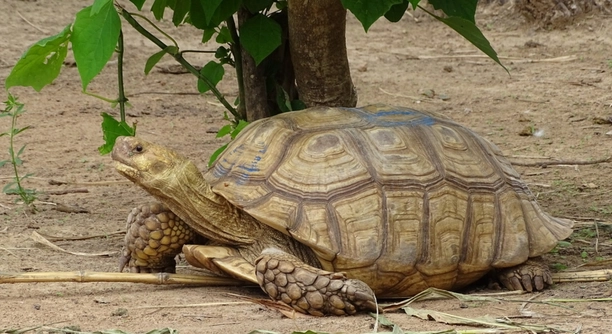
Is your sulcata tortoise constantly kicking its legs, leaving you wondering what might be causing this behavior? Understanding the reasons behind this action can help you determine if it is a natural movement or a sign of discomfort.
Sulcata tortoises often kick their legs due to shedding, irritation, or an attempt to remove debris. Additionally, stress, improper substrate, or underlying health issues can contribute to this behavior. Observing their environment and physical condition can help identify the root cause.
Recognizing these factors will allow you to take appropriate steps to ensure your tortoise’s comfort and well-being. Understanding their behavior can lead to a happier and healthier pet.
Common Reasons Your Sulcata Tortoise Kicks Its Legs
Sulcata tortoises often kick their legs when trying to remove dirt, debris, or loose skin during shedding. This movement can also be a response to irritation from an unsuitable substrate, which may be too rough or uncomfortable. Sometimes, they exhibit this behavior due to stress caused by changes in their environment, such as loud noises or frequent handling. Additionally, if a tortoise is experiencing discomfort from overgrown nails or minor injuries, it may kick its legs to relieve the irritation. Observing when and how often your tortoise does this can provide valuable insight into the cause.
If your tortoise frequently kicks its legs, checking its enclosure conditions is essential. A proper habitat with soft, natural substrate and minimal disturbances can reduce stress. Ensuring regular health checks and monitoring for signs of injury or irritation will also help maintain their comfort.
Temperature and humidity levels play a major role in a tortoise’s well-being. If conditions are too dry, their skin may become irritated, leading to excessive kicking. Providing a warm, humid hide can support proper shedding and hydration. Additionally, checking for external parasites is crucial, as mites can cause discomfort and frequent leg movements. By maintaining a clean, well-regulated environment, you can help minimize unnecessary kicking.
When to Be Concerned About Leg Kicking
Occasional leg kicking is normal, but excessive or persistent movements could indicate an issue. If your tortoise appears distressed, struggles to walk, or stops eating, it may be experiencing pain or discomfort. Checking for swelling, redness, or unusual behavior is important.
Health problems such as metabolic bone disease, respiratory infections, or impaction can sometimes cause a tortoise to move its legs frequently. Weak limbs, labored breathing, or a lack of appetite may be warning signs. If you notice these symptoms, consulting a reptile veterinarian is recommended. A professional can assess their condition and determine if medical intervention is necessary.
Ensuring a balanced diet rich in calcium and fiber can prevent many health concerns. Inadequate nutrition may lead to muscle weakness or digestive issues, causing discomfort that results in frequent leg movements. Additionally, providing a spacious enclosure with smooth surfaces can reduce the risk of injury. If the kicking persists despite a proper setup, keeping a close eye on any changes in their behavior will help you determine the best course of action.
How to Reduce Unnecessary Leg Kicking
Providing a soft, natural substrate can make a significant difference. Avoid rough or artificial materials that may cause irritation. A mixture of soil, sand, and hay creates a comfortable surface that mimics their natural habitat, reducing the likelihood of excessive kicking.
Maintaining proper humidity levels is essential for their skin and shell health. If the enclosure is too dry, their skin may become itchy, leading to frequent kicking. Misting the habitat and providing a humid hide can keep their environment balanced. Regular soaking in shallow, lukewarm water also supports hydration and prevents dry skin.
Minimizing stress is another important factor. Loud noises, frequent handling, and sudden changes in their environment can cause discomfort. Ensuring a quiet, stable habitat with minimal disruptions helps them feel secure. If you notice persistent leg movements, evaluating potential stressors and making necessary adjustments can improve their overall well-being.
When to Seek Veterinary Help
If your tortoise’s kicking becomes constant or is accompanied by other unusual behaviors, it may be a sign of an underlying health problem. Weak limbs, difficulty walking, loss of appetite, or changes in stool consistency could indicate an issue that requires professional attention. Monitoring their condition closely is important.
A veterinarian can perform a thorough examination to rule out health concerns. Metabolic bone disease, respiratory infections, or external parasites may contribute to excessive kicking. Diagnostic tests, including X-rays or stool analysis, can provide valuable insight. If an issue is detected, early intervention can prevent further complications and improve their quality of life.
Providing a balanced diet, regular habitat maintenance, and proper hygiene reduces the risk of health problems. If adjustments to their environment and diet do not resolve the issue, seeking veterinary advice ensures their comfort and long-term well-being. Keeping track of changes in behavior and addressing concerns promptly can help prevent serious complications.
Environmental Adjustments for Comfort
Ensuring the enclosure is spacious allows for natural movement and reduces stress. A small or overcrowded habitat can cause discomfort, leading to restless behaviors like leg kicking. Providing ample space for walking, burrowing, and hiding helps create a comfortable and secure environment.
Keeping the enclosure clean minimizes potential irritants. Dirty bedding, leftover food, or accumulated waste can lead to skin irritation or bacterial infections. Regularly spot-cleaning and replacing the substrate ensures a healthier living space. Monitoring humidity, temperature, and air circulation also contributes to a more suitable habitat.
Importance of Proper Nutrition
A well-balanced diet plays a major role in overall health. Sulcata tortoises require high-fiber foods, primarily grass and hay, to support digestion and prevent discomfort. Feeding excessive fruit or low-fiber vegetables can cause digestive issues, leading to unusual movements, including frequent leg kicking. Proper hydration also helps maintain normal muscle function.
Monitoring Behavior Changes
Sudden changes in behavior should never be ignored. If your tortoise displays persistent kicking, reduced activity, or unusual eating habits, it may signal a problem. Observing patterns over time can help determine whether adjustments to their care are needed or if veterinary attention is required.
FAQ
Why does my tortoise kick its legs?
Tortoises may kick their legs for several reasons, including irritation from shedding or substrate discomfort. Sometimes, they kick to remove debris or discomfort, especially if something is stuck to their legs. Stress, environmental changes, or health issues can also cause frequent leg movements.
Is leg kicking a sign of a serious health issue?
In many cases, leg kicking is harmless and related to natural behaviors like shedding or irritation. However, if the kicking becomes constant or is accompanied by other signs of distress such as loss of appetite or difficulty walking, it could signal an underlying health problem. It’s important to monitor your tortoise’s overall behavior and health.
How can I tell if my tortoise is stressed?
Stress in tortoises can manifest through behaviors such as excessive leg kicking, hiding, loss of appetite, or restlessness. Environmental factors like loud noises, overcrowding, or sudden changes in temperature can cause stress. Ensuring a stable, quiet environment with minimal disturbances can help alleviate stress.
What type of substrate is best for my sulcata tortoise?
A combination of soft soil, hay, and sand is ideal for sulcata tortoises. These materials mimic their natural environment, providing a comfortable surface for movement and burrowing. Avoid rough or artificial substrates, which may cause skin irritation or discomfort that leads to excessive leg kicking.
How do I know if my tortoise is shedding properly?
Tortoises shed their skin regularly, and you may notice them kicking their legs to help remove loose skin. If shedding seems abnormal or if your tortoise is constantly trying to scratch itself, it could indicate dry skin, dehydration, or other health concerns. Regular soaking and maintaining appropriate humidity levels in the enclosure can help with proper shedding.
Can diet affect leg kicking?
Yes, a poor diet can contribute to health problems that cause unusual behavior, including leg kicking. Tortoises need a high-fiber diet, primarily consisting of grasses and hay, to support digestion. Overfeeding fruits or vegetables that are too high in sugar or low in fiber may lead to digestive issues that can cause leg kicking.
How often should I check on my tortoise’s legs and movements?
It’s essential to observe your tortoise regularly. Look for signs of swelling, injury, or difficulty walking. If you notice persistent or frequent leg kicking, especially alongside other symptoms like loss of appetite or lethargy, a veterinary visit is advisable to rule out health issues.
Can tortoises kick their legs if they are in pain?
Yes, leg kicking can be a response to pain. If your tortoise is experiencing discomfort from an injury, digestive issue, or internal health concern, it may kick its legs as a way to express distress. Pay attention to any signs of injury, swelling, or abnormal behavior to help address potential pain.
Is there any way to prevent excessive leg kicking?
Providing a comfortable, clean, and spacious environment can reduce unnecessary leg kicking. Ensure your tortoise has soft, natural substrate, proper humidity, and temperature control. Stress reduction, such as minimizing handling and environmental disturbances, is also key to preventing excess leg movement.
Should I take my tortoise to a vet if the leg kicking doesn’t stop?
If the kicking continues despite environmental adjustments, or if your tortoise shows other signs of distress such as reduced activity, loss of appetite, or trouble moving, a vet visit is recommended. A veterinarian can determine whether there’s an underlying health issue that requires medical treatment.
Are there any specific health conditions that could cause leg kicking?
Certain health conditions, such as metabolic bone disease, respiratory infections, or external parasites, can cause discomfort that leads to leg kicking. Nutritional imbalances, like calcium deficiency, can also affect your tortoise’s muscle function and cause unusual behavior. Regular health checks and proper diet are essential in preventing these issues.
Can leg kicking be a sign of boredom?
While leg kicking is often linked to physical or environmental factors, boredom can also contribute. If your tortoise has limited space to roam, burrow, or explore, it may become restless and exhibit repetitive behaviors. Ensuring a larger, more stimulating environment can help reduce boredom-related kicking.
How can I improve my tortoise’s habitat to prevent stress?
Creating a stress-free environment involves providing enough space, appropriate temperatures, and humidity levels. Regularly cleaning the enclosure, offering hiding spots, and ensuring proper lighting will help your tortoise feel secure. Reducing loud noises, limiting handling, and maintaining a consistent habitat can also alleviate stress.
What should I do if I notice swelling in my tortoise’s legs?
Swelling in the legs could indicate an injury, infection, or an issue like edema. If you notice swelling, isolate the affected area and assess for other symptoms like heat, redness, or changes in movement. If the swelling persists or worsens, consult a veterinarian to identify the cause and begin treatment.
How do I check if my tortoise has parasites?
Parasites such as mites or internal worms can cause discomfort, leading to leg kicking. Signs of external parasites include visible bumps or lesions on the skin, while internal parasites may cause digestive problems, weight loss, or lethargy. A stool sample analysis by a veterinarian can confirm the presence of internal parasites.
Final Thoughts
Understanding why your sulcata tortoise kicks its legs is important for maintaining its well-being. While this behavior can be completely normal, especially when they are adjusting to their environment, it is crucial to observe whether it continues or is accompanied by other signs of distress. Leg kicking may simply be a way for your tortoise to express discomfort from shedding, irritation from its environment, or as a result of physical movement. However, if this behavior persists or becomes more frequent, it may point to underlying issues such as stress, injury, or health concerns. It is essential to pay attention to any other changes in behavior, appetite, or physical condition that could indicate a need for medical care.
Creating the right environment plays a major role in reducing unnecessary leg kicking. Ensuring a clean and comfortable habitat with proper temperature, humidity, and space will help your tortoise feel secure and reduce stress. Providing a natural substrate that is soft, not too rough, and free from contaminants is essential. Regularly checking the cleanliness of the enclosure and offering a variety of food can also keep your tortoise happy and healthy. If leg kicking occurs alongside symptoms like loss of appetite, difficulty moving, or unusual lethargy, it’s a good idea to consult a veterinarian. Early detection of health problems will improve the chances of successful treatment.
Lastly, your tortoise’s behavior is a reflection of its overall health and comfort. Frequent leg kicking could be a sign of boredom, pain, or environmental factors that are not being met. By keeping a close watch on your tortoise’s activity levels, diet, and living conditions, you can make adjustments to ensure its long-term happiness. Ensuring regular check-ups with a vet and addressing potential stress factors in the habitat will go a long way in supporting your tortoise’s well-being. Taking a proactive approach to their care will not only improve their health but also enhance the bond you share with your tortoise.

Hello,
If you enjoy the content that we create, please consider saying a "Thank You!" by leaving a tip.
Every little bit helps us continue crafting quality advice that supports the health, happiness, and well-being of pets around the world, for pets of all shapes, sizes, and species.
We really appreciate the kindness and support that you show us!