
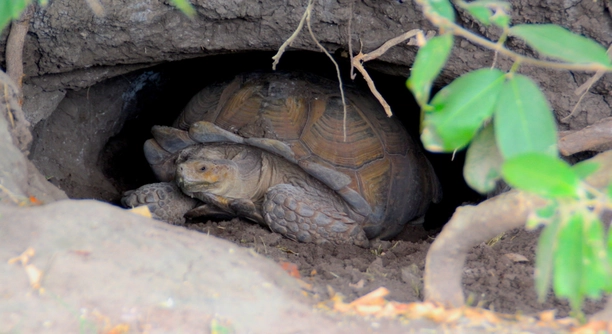
Are your Sulcata tortoise care habits unknowingly harming your pet? Many owners make mistakes that can impact their tortoise’s health and well-being. Proper care requires understanding their dietary needs, habitat setup, and overall lifestyle to ensure a healthy and thriving tortoise.
The most common mistakes include improper diet, inadequate UVB lighting, incorrect humidity levels, and insufficient space. These factors can lead to metabolic bone disease, shell deformities, and stress-related health issues. Addressing these mistakes is essential for promoting a long, healthy life for your tortoise.
Understanding these common errors will help you provide better care and prevent long-term health complications. Learning the right approach will ensure your Sulcata tortoise remains happy and healthy for years to come.
Incorrect Diet Choices
A Sulcata tortoise requires a high-fiber, low-protein diet primarily consisting of grasses and hay. Many owners make the mistake of feeding too many fruits, vegetables, or commercial pellets, which can lead to digestive issues and shell deformities. Oxalates found in certain vegetables can interfere with calcium absorption, contributing to metabolic bone disease. Feeding excessive protein can cause rapid growth, leading to pyramiding of the shell. A proper diet should mimic their natural grazing habits, ensuring steady and healthy development. Providing access to fresh hay, along with occasional leafy greens, helps maintain a balanced diet.
Fruits should be avoided as they contain too much sugar, which disrupts gut bacteria. Instead, focus on fiber-rich foods that promote proper digestion. Offering a variety of safe grasses and weeds ensures nutritional diversity.
Ensuring your Sulcata tortoise has a diet rich in fiber and calcium will prevent serious health problems. Regularly providing fresh hay, along with safe weeds, allows them to thrive. Avoid commercial pellets that contain unnecessary additives. Sticking to natural, unprocessed foods will help maintain strong bones, a healthy shell, and proper digestion. A well-balanced diet plays a key role in keeping your tortoise active and healthy for many years.
Lack of Proper UVB Lighting
Without sufficient UVB exposure, Sulcata tortoises cannot properly metabolize calcium, leading to weak bones and shell deformities. Many owners fail to provide high-quality UVB bulbs or rely solely on sunlight, which may not be available year-round.
Tortoises need at least 10 to 12 hours of UVB exposure daily to synthesize vitamin D3, essential for calcium absorption. Without it, they are at risk of metabolic bone disease, which causes softened bones, deformities, and mobility issues. A common mistake is using a low-quality bulb or placing it too far from the tortoise, reducing effectiveness. UVB bulbs should be replaced every six months, as they lose efficiency over time. Additionally, tortoises housed indoors require a combination of UVB lighting and a heat source to maintain optimal temperatures.
Providing the right UVB lighting setup is crucial for long-term health. Choose a high-output UVB bulb designed for reptiles and position it within 12 to 18 inches of the basking area. Ensure your tortoise gets outdoor sun exposure whenever possible, as natural sunlight is the best source of UVB. Regularly checking and replacing bulbs will help maintain proper calcium metabolism and overall well-being.
Inadequate Space and Enclosure Size
Sulcata tortoises grow rapidly and require a large enclosure to move freely. Many owners underestimate their space needs, leading to stress and restricted movement. A small enclosure can cause behavioral issues and negatively impact their physical health over time.
An adult Sulcata tortoise can reach over 100 pounds and needs an outdoor enclosure with plenty of room to roam. Keeping them in a small indoor space or a confined area limits exercise, leading to muscle weakness and weight gain. The enclosure should be secure, as these tortoises are strong and capable of digging under fences. A sturdy barrier, at least two feet deep, helps prevent escapes. Shade, burrowing areas, and a warm basking spot should be included to maintain a comfortable environment.
Providing a spacious and enriching habitat reduces stress and promotes natural behaviors. A large outdoor enclosure with proper fencing ensures they can explore safely. Incorporating rocks, logs, and hiding spots keeps them engaged and active. Regularly checking for signs of escape attempts and adjusting the enclosure as they grow helps maintain their well-being. Proper space allows them to develop strong muscles and prevents injuries caused by cramped conditions.
Incorrect Temperature and Humidity Levels
Sulcata tortoises require warm temperatures and proper humidity levels to stay healthy. Many owners do not monitor these conditions closely, leading to respiratory infections, dehydration, or shell problems. Maintaining the right environment is essential for their overall health.
The basking area should be around 100°F, with a cooler side near 80°F. Nighttime temperatures should not drop below 70°F. A lack of proper heating can cause sluggishness and digestion issues. Humidity levels should be maintained between 40% and 60% to prevent dehydration and shell cracking. Dry environments can cause the shell to become brittle, while excessive moisture increases the risk of shell rot. Using a hygrometer and thermometer helps ensure consistent conditions. Heat lamps, ceramic heaters, and heated hides provide warmth, while occasional misting or moist substrates help regulate humidity.
Providing a stable environment reduces health risks and keeps your tortoise comfortable. Placing the basking lamp in the correct position ensures even heat distribution. Adjusting humidity levels with proper substrate choices and regular misting helps prevent dehydration. Monitoring these factors daily allows you to make necessary adjustments, ensuring your Sulcata tortoise remains active and healthy.
Lack of Proper Hydration
Sulcata tortoises need constant access to fresh water, but many owners assume they get enough moisture from their diet. Without adequate hydration, they can develop kidney issues, bladder stones, and dehydration-related health problems. A shallow water dish should always be available for drinking and soaking.
Soaking young tortoises in shallow, lukewarm water a few times a week helps prevent dehydration. Adult tortoises also benefit from occasional soaks, especially in dry environments. Ensuring proper hydration supports digestion, shell health, and overall well-being. Regularly cleaning and refilling the water dish keeps them hydrated and prevents bacterial buildup.
Ignoring Signs of Illness
Tortoises often hide symptoms of illness, making early detection crucial. Lack of appetite, lethargy, swollen eyes, or nasal discharge can indicate respiratory infections or other health concerns. Monitoring their behavior, eating habits, and physical condition daily helps identify potential issues before they become severe.
Using the Wrong Substrate
The right substrate supports burrowing and helps maintain humidity. Sand or gravel can cause impaction if ingested, leading to serious digestive issues. A mix of topsoil and coconut coir provides a safe and natural environment. Choosing the right substrate prevents respiratory problems and keeps your tortoise comfortable.
FAQ
How often should I feed my Sulcata tortoise?
Adult Sulcata tortoises should be fed once a day, while hatchlings may require food twice daily. Their diet should primarily consist of high-fiber grasses and hay, with occasional dark leafy greens. Overfeeding can lead to obesity and shell deformities, so portion control is important.
What foods should I avoid feeding my Sulcata tortoise?
Avoid fruits, high-protein foods, and vegetables with high oxalate content, such as spinach and rhubarb. These can cause digestive issues, kidney problems, and calcium deficiencies. Processed foods, dog or cat food, and sugary treats should never be included in their diet. Sticking to a natural, fibrous diet prevents health complications.
Do Sulcata tortoises need UVB lighting?
Yes, UVB lighting is essential for calcium absorption and shell development. Without it, they can develop metabolic bone disease, leading to weak bones and deformities. If kept outdoors, natural sunlight provides sufficient UVB. Indoor enclosures require a high-quality UVB bulb, replaced every six to twelve months.
Can Sulcata tortoises live indoors?
While hatchlings can be housed indoors temporarily, adult Sulcata tortoises require a large outdoor space. Their size and digging habits make indoor enclosures impractical long-term. If kept inside, they need ample space, strong UVB lighting, and a controlled temperature to stay healthy. Outdoor enclosures are the best option for their well-being.
How can I prevent my Sulcata tortoise from escaping?
Sulcata tortoises are strong diggers and can push through weak barriers. Use sturdy fencing that extends at least two feet underground to prevent tunneling. Regularly inspect the enclosure for signs of escape attempts. Providing enrichment, such as logs and rocks, can also reduce their urge to dig excessively.
Why is my Sulcata tortoise not eating?
Loss of appetite can be caused by stress, incorrect temperatures, dehydration, or illness. Check their enclosure’s temperature and humidity levels, ensure fresh water is available, and offer a variety of fibrous foods. If the issue persists, consult a veterinarian to rule out health problems.
How do I keep my Sulcata tortoise warm in winter?
In colder months, outdoor tortoises need a heated shelter to prevent hypothermia. Insulated enclosures with heat lamps or ceramic heaters work well. Indoor setups should maintain a basking temperature of 100°F and a nighttime low of 70°F. Proper heating prevents respiratory infections and other cold-related issues.
Can Sulcata tortoises recognize their owners?
Sulcata tortoises may not recognize owners the same way mammals do, but they can learn to associate people with food and care. Over time, they may approach or follow familiar individuals. Consistent interaction helps build trust, making them more comfortable around their caregivers.
How often should I soak my Sulcata tortoise?
Hatchlings and juveniles should be soaked three to four times a week for 15–20 minutes to stay hydrated. Adults benefit from weekly soaks, especially in dry climates. Soaking helps with hydration, digestion, and shedding, preventing common health problems associated with dehydration.
Why is my Sulcata tortoise digging so much?
Digging is a natural behavior for Sulcata tortoises, often done for temperature regulation or creating burrows. Excessive digging can indicate stress, boredom, or insufficient space. Providing a deep substrate, shaded areas, and enrichment can help manage this behavior while keeping them engaged and comfortable.
Final Thoughts
Caring for a Sulcata tortoise requires proper knowledge and preparation. These tortoises have specific needs, including a high-fiber diet, ample space, and the right temperature and humidity levels. Mistakes such as poor diet choices, inadequate lighting, or improper housing can lead to serious health issues. Ensuring they have a well-maintained environment, a consistent feeding schedule, and appropriate care will help them thrive. Regular checkups with a reptile veterinarian can also prevent potential problems before they become severe. With proper attention, Sulcata tortoises can live long, healthy lives, providing years of companionship.
Many owners underestimate the commitment required to care for a Sulcata tortoise. Their large size, long lifespan, and specific needs make them challenging pets for inexperienced reptile keepers. Providing a spacious outdoor enclosure, protecting them from extreme temperatures, and monitoring their health is essential. They also need enrichment to prevent stress and destructive behaviors such as excessive digging. Understanding these factors before bringing one home can help ensure a positive experience for both the tortoise and the owner. Responsible ownership involves continuous learning and adapting to their changing needs as they grow.
Owning a Sulcata tortoise can be a rewarding experience with the right knowledge and commitment. Avoiding common mistakes will improve their overall well-being and prevent unnecessary health complications. Whether it is maintaining proper nutrition, ensuring adequate UVB exposure, or creating a secure enclosure, small adjustments can make a big difference. Taking the time to understand their needs and providing appropriate care will lead to a healthier, happier tortoise. A well-cared-for Sulcata can live for decades, making them a long-term responsibility that requires careful planning and dedication.

Hello,
If you enjoy the content that we create, please consider saying a "Thank You!" by leaving a tip.
Every little bit helps us continue crafting quality advice that supports the health, happiness, and well-being of pets around the world, for pets of all shapes, sizes, and species.
We really appreciate the kindness and support that you show us!