
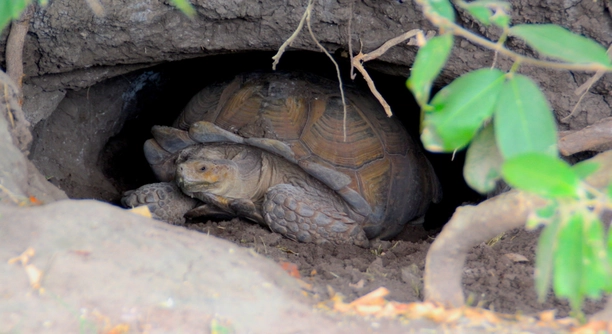
Finding the right bedding for your sulcata tortoise is essential for their comfort and health. With so many options available, it can be hard to know which one to choose for the best care.
The safest bedding options for sulcata tortoises include natural materials such as coconut coir, organic soil, hay, and sand. These options are absorbent, non-toxic, and help maintain a clean, dry environment suitable for their overall well-being.
Exploring these choices can lead to better care and a happier tortoise. Understanding the benefits of each bedding material will help you make an informed decision for your pet’s habitat.
Coconut Coir Bedding: A Natural Choice
Coconut coir is a great bedding option for sulcata tortoises. Made from the husks of coconuts, it’s absorbent, safe, and gentle on their skin. This bedding is lightweight and helps control humidity, which is essential for tortoises living in drier environments. It’s easy to clean and holds moisture, keeping your tortoise comfortable throughout the day. Coconut coir also has a natural, earthy smell that’s less likely to irritate your tortoise. It’s biodegradable, making it an eco-friendly option that doesn’t harm the environment.
For sulcata tortoises, coconut coir provides a soft, moisture-retaining surface. It also reduces the risk of impaction compared to sand-based bedding.
If you choose coconut coir, make sure it’s chemical-free and doesn’t contain added fertilizers or dyes. This helps keep your tortoise safe from harmful substances. Using coconut coir bedding can support the overall health of your pet by creating a clean, comfortable habitat that mimics their natural environment.
Hay Bedding: A Reliable and Affordable Option
Hay can be another practical bedding option.
It’s affordable, easy to find, and provides a soft surface for your tortoise. However, it’s essential to use hay that’s free from pesticides.
Organic Soil Bedding: A Safe, Natural Alternative
Organic soil is a good choice for sulcata tortoises because it provides a more natural environment. It’s important to choose pesticide-free soil to ensure it’s safe. Organic soil is great for burrowing, and it holds moisture well, which can help maintain the right humidity levels for your tortoise.
This bedding option mimics the natural habitats of tortoises and is a suitable substrate for healthy growth. It’s crucial to avoid soil with added fertilizers or harmful chemicals. Organic soil is not only safe but also provides a more enriching environment for your tortoise to explore.
Keep the soil dry and free from excess moisture to prevent mold and bacteria growth. Regularly replace soiled sections to maintain cleanliness and reduce the risk of infections. With proper maintenance, organic soil can provide a comfortable and healthy living space for your sulcata tortoise.
Sand Bedding: A Common Choice with Caution
Sand is another popular bedding option but should be used with care.
It can help mimic the tortoise’s natural environment, offering a surface suitable for digging. However, it’s important to use the right type of sand, as some varieties can cause health issues. Avoid fine sand that may lead to impaction if ingested.
Aspen Bedding: A Safe Option for Tortoises
Aspen bedding is a good choice for sulcata tortoises. It’s soft, absorbent, and doesn’t contain harmful oils like cedar or pine, which can be toxic. Aspen is also lightweight, making it easy to clean and maintain.
This bedding helps regulate humidity and moisture levels, ensuring a comfortable environment. However, it’s important to change it regularly to prevent odor buildup. Aspen is a safe alternative for tortoises, providing a natural and easy-to-manage surface for them to move around.
Keep in mind that while aspen is safe, it should not be used in large quantities as bedding for young tortoises due to potential ingestion risks.
Grass Mat Bedding: A Comfortable Surface for Tortoises
Grass mats can be a great surface for tortoises to walk and rest on.
They are made from natural, non-toxic materials and provide a soft, comfortable place for your pet to move around. Grass mats are also durable, which makes them easy to clean.
FAQ
What type of bedding is best for a sulcata tortoise?
The best bedding for a sulcata tortoise is one that is safe, absorbent, and comfortable. Coconut coir, organic soil, and aspen bedding are good options. These materials help maintain appropriate humidity levels, are non-toxic, and are easy to clean. It’s important to avoid using cedar or pine bedding as these can be harmful to your tortoise.
Can I use sand as bedding for sulcata tortoises?
Sand can be used, but it’s essential to use the right type of sand. Avoid fine sand, which can lead to impaction if ingested. Coarse sand, when used in moderation, can help mimic a more natural environment. However, it should be mixed with other materials like coconut coir or organic soil to reduce the risk of impaction and make cleaning easier.
How often should I change the bedding for my sulcata tortoise?
Bedding should be changed regularly to maintain a clean and safe environment for your tortoise. Depending on the material used, you should replace or spot clean bedding at least once a week. For substrates like coconut coir and aspen, regular cleaning and topping up will help maintain a fresh environment. Organic soil and sand may need more frequent changes to avoid odor buildup or excessive moisture.
Is coconut coir safe for sulcata tortoises?
Yes, coconut coir is a safe and popular bedding option for sulcata tortoises. It’s absorbent, non-toxic, and helps regulate humidity, which is essential for their well-being. Ensure that the coir you purchase is free from chemicals, pesticides, or dyes. It is also important to replace it regularly to prevent mold or bacteria buildup.
Can I use a mixture of different bedding types?
Yes, mixing different bedding types can provide the best of both worlds. For example, combining coconut coir with organic soil or sand can create a more natural environment while maintaining cleanliness and proper humidity. However, be cautious when mixing sand as it can lead to impaction if not used carefully.
Can I use hay as bedding for sulcata tortoises?
Hay can be used as bedding, but it is not the most ideal option for long-term use. While it’s soft and absorbent, hay can get dusty and is difficult to clean. Additionally, hay may not hold moisture well enough to maintain the humidity levels that sulcata tortoises require. It can be used for temporary bedding or combined with other materials for added comfort.
What are the risks of using pine or cedar bedding?
Pine and cedar bedding contain oils that are toxic to sulcata tortoises. These oils can cause respiratory problems and skin irritation, and they may even lead to organ damage if exposed over time. It is highly recommended to avoid using these materials in your tortoise’s enclosure. Stick to non-toxic, natural bedding like coconut coir, aspen, or organic soil.
Should I use a substrate that retains moisture?
A substrate that retains moisture is beneficial for maintaining humidity levels in your tortoise’s enclosure. Materials like coconut coir and organic soil can hold moisture, which is important for sulcata tortoises, especially in drier climates. However, you should ensure that the bedding is not too wet, as excess moisture can lead to mold or fungal growth. Regular cleaning and maintaining appropriate humidity levels will help prevent this issue.
Can I use newspaper or paper towels for bedding?
While newspaper or paper towels can be used temporarily, they are not the best long-term bedding option. They do not retain moisture or provide a natural environment for your tortoise to dig or burrow. They also don’t offer much in terms of comfort, as sulcata tortoises prefer more natural materials. These options are fine for quarantine or brief periods but should be replaced with more suitable bedding.
How do I prevent odors in the bedding?
To prevent odors, it’s important to maintain cleanliness by regularly cleaning and replacing the bedding. Spot clean any soiled areas daily and replace sections of bedding as needed. Some materials, like coconut coir, are naturally odor-resistant, but all bedding options require periodic replacement to avoid bacteria growth and unpleasant smells. Proper ventilation in your tortoise’s enclosure will also help keep the environment fresh.
What is the best way to clean tortoise bedding?
Cleaning tortoise bedding involves removing any waste or uneaten food daily. For larger changes, remove the soiled bedding completely and replace it with fresh material. For non-absorbent bedding, like sand, spot clean by sifting out waste. Materials like coconut coir or organic soil can be fluffed up to maintain their freshness, but should be replaced regularly to avoid buildup of harmful bacteria.
Can I use rocks or gravel as bedding?
Rocks or gravel are not recommended for bedding as they can cause injury to your sulcata tortoise. Tortoises may accidentally ingest small pieces, which could lead to impaction. Instead of using rocks or gravel, consider providing rocks or branches as accessories in the enclosure, allowing your tortoise to climb or bask safely.
Final Thoughts
When choosing bedding for your sulcata tortoise, it’s essential to prioritize safety, comfort, and cleanliness. The right bedding can help regulate humidity, absorb moisture, and create a suitable environment for your tortoise. Materials like coconut coir, aspen, and organic soil are great choices because they are non-toxic and provide a natural feel. These bedding types help maintain the proper humidity levels needed for your tortoise’s health, which is crucial, especially if you live in a dry area. It’s important to select a bedding that is easy to clean and maintain, ensuring that your tortoise’s living space stays fresh and hygienic.
Each type of bedding has its pros and cons. Coconut coir, for example, is highly absorbent and naturally odor-resistant, but it can become compacted over time and may need frequent changing. Aspen bedding is another safe option, offering comfort and ease of cleaning, though it may not hold moisture as well as coconut coir. Organic soil creates a more natural feel but needs to be replaced more often to prevent the growth of harmful bacteria. Whichever bedding you choose, make sure it’s something that will keep your sulcata tortoise safe, comfortable, and healthy. Regular cleaning and monitoring of the humidity and temperature in the enclosure are also essential for optimal care.
Ultimately, providing the right bedding is just one part of creating a proper habitat for your sulcata tortoise. It is also important to offer access to natural sunlight or proper UV lighting, provide adequate space for movement, and ensure a balanced diet. With the right bedding and care, your tortoise will thrive, and you’ll enjoy seeing it live a healthy, active life.

Hello,
If you enjoy the content that we create, please consider saying a "Thank You!" by leaving a tip.
Every little bit helps us continue crafting quality advice that supports the health, happiness, and well-being of pets around the world, for pets of all shapes, sizes, and species.
We really appreciate the kindness and support that you show us!