
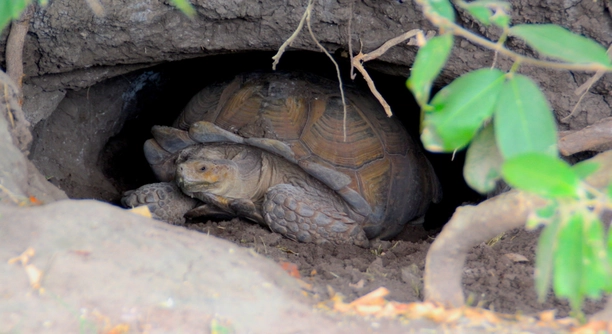
Sulcata tortoises are fascinating creatures, and observing their behavior can be both entertaining and puzzling. One common action that might leave owners wondering is when their tortoise repeatedly digs in the same spot.
Repeated digging in one spot is often due to instinctual behaviors, such as seeking shelter, nesting, or creating a cool area to regulate body temperature. Other factors like boredom or environmental discomfort can also contribute to this behavior.
Understanding the reasons behind your tortoise’s digging habits is key to ensuring their comfort and well-being. This article will explore the main causes and offer tips on how to manage this behavior.
Seeking Shelter or Safety
Tortoises often dig to find a safe, sheltered spot. In their natural habitat, they dig to hide from predators or to create a space that provides protection. When kept in captivity, your sulcata may be mimicking this instinct, trying to feel secure. If your tortoise seems to dig in one area repeatedly, it may be a sign that it feels this spot offers safety, possibly due to its position or surroundings. It is important to provide hiding places in their enclosure that mimic the natural environment. This could help reduce the repetitive digging behavior.
Sometimes, a tortoise may not have enough space to roam freely, which could lead to them choosing a corner or area to dig repeatedly. Providing a larger space with different hiding spots can encourage a more balanced and less anxious behavior.
A well-designed habitat with plenty of space, hiding spots, and natural features like rocks or logs can help reduce this behavior. Ensure that the substrate is deep enough for digging, as a shallow one may cause frustration.
Temperature Regulation
Temperature plays a significant role in a tortoise’s behavior. Sulcatas, being desert animals, regulate their body temperature by digging. If the area is too hot or too cold, your tortoise may dig to reach a more comfortable zone. They are known to dig to find cooler ground during hot weather or warmer areas when it’s too cold. By providing an environment with consistent temperature control, you can reduce the need for your sulcata to dig excessively.
This can be achieved by offering shaded areas, heat lamps, and cooling zones within their habitat. Understanding your tortoise’s temperature needs will help prevent digging that’s caused by discomfort. Consider monitoring their enclosure temperature to ensure that they are within the ideal range.
Nesting Behavior
Sulcata tortoises may dig as part of their natural nesting behavior. Female tortoises, especially when they reach maturity, often dig to create a space for laying eggs. Even if there are no eggs, the instinct to dig may remain strong. If your tortoise is female and digging in one area, this could be the cause.
To address this, ensure that your tortoise has ample space and consider adding nesting areas or other features that allow them to express this natural behavior. A designated nesting site with the proper substrate might help redirect the digging.
If you have a female sulcata, pay close attention to her behavior and adjust the environment accordingly. Offering a soft, deeper substrate for her to dig in could satisfy this instinct. It’s also essential to monitor her health, as repeated digging could cause physical strain over time if not addressed.
Boredom or Lack of Stimulation
Like many animals, sulcata tortoises may dig because they are bored or under-stimulated. Without enough mental or physical activity, they may resort to repetitive digging. This is often the result of being confined in a small space with nothing to interact with. Tortoises are curious creatures and need activities to keep their minds active.
Adding enrichment, like new objects to explore, or rearranging the environment regularly, can help. It’s also a good idea to offer your tortoise fresh vegetation to encourage foraging, which is an activity that naturally occupies them. Keeping their environment dynamic will reduce the chances of them digging out of boredom.
In addition to environmental changes, ensure your sulcata gets some exercise. A larger, more varied enclosure or supervised time outdoors will allow them to engage with the surroundings and break the cycle of repetitive digging.
Anxiety or Stress
Stress can make your sulcata tortoise dig in the same spot. Changes in their environment, like new pets, loud noises, or unfamiliar people, might trigger anxiety. This digging is often a way of coping with stress.
It’s essential to observe your tortoise for signs of stress, like reduced eating or more digging. Reducing stressors and providing a calm, quiet environment can help.
Make sure to keep their space consistent, limit sudden changes, and allow your tortoise to feel safe. Stress-free tortoises are less likely to dig excessively, improving their overall well-being.
Poor Habitat Conditions
Your tortoise’s digging might be a sign that their habitat isn’t ideal. Too much moisture or the wrong substrate could make them uncomfortable. Tortoises need dry, well-draining substrate to dig effectively.
If the environment is too humid or too wet, your sulcata might dig in search of a drier area. Keep the humidity levels in check and ensure the substrate is not too soggy.
Choosing the right substrate, like a mix of sand and soil, will make a big difference. A well-maintained habitat can reduce unnecessary digging and help your tortoise thrive.
FAQ
Why is my sulcata tortoise digging in one spot all the time?
Your sulcata tortoise might dig in one spot repeatedly due to instinctual behaviors like seeking shelter, temperature regulation, or nesting. Digging is a natural response to their environment, whether it’s to find cooler ground or to feel secure. If the behavior is consistent, check if there are any environmental factors, such as temperature or space, contributing to the digging. Ensure their enclosure is large enough and the substrate is comfortable for them to dig.
Can stress cause my tortoise to dig?
Yes, stress can lead to excessive digging. Changes in their environment, such as loud noises, new pets, or changes in routine, can make them anxious. Digging might become a coping mechanism to deal with stress. If your tortoise seems overly stressed, try to remove potential stressors and create a peaceful, predictable space for them. A quiet area with consistent surroundings can help reduce anxiety and decrease the digging behavior.
How can I stop my sulcata tortoise from digging too much?
To stop excessive digging, make sure your tortoise has a comfortable, stress-free environment. This includes proper temperature regulation, ample space, and stimulating enrichment. Avoid overcrowding the enclosure, provide hiding spots, and monitor the habitat’s humidity levels. Regular exercise and a varied diet can also reduce the urge to dig from boredom. The goal is to keep their environment balanced, so they don’t feel the need to dig constantly.
Is digging in one spot always a sign of a problem?
Not necessarily. Digging is natural for sulcata tortoises, and it could simply be a behavior driven by instinct. However, if the digging becomes obsessive or causes physical harm, it may be time to reassess their living conditions. Make sure they have enough space to roam, temperature control, and a proper substrate to dig in. If the behavior continues without improvement, it may be a good idea to consult with a vet to rule out underlying health issues.
Should I provide a nesting area for my female tortoise?
If you have a female sulcata tortoise, it’s a good idea to provide a nesting area. Female tortoises, especially when they reach maturity, will often dig to create a suitable space for laying eggs. Even if they aren’t laying eggs, the instinct to dig remains strong. A designated, soft area with the proper depth will give her a place to express this natural behavior. Make sure the nesting area is easily accessible and placed in a quiet corner of the enclosure.
How deep should the substrate be for my sulcata tortoise to dig?
The substrate should be deep enough to allow your sulcata tortoise to dig comfortably. Ideally, the substrate should be about 6 to 8 inches deep. This depth mimics their natural habitat, where they can dig to find cooler ground or shelter. You can use a mix of sand and soil to create a good digging environment. Be sure the substrate is well-draining and not too moist, as excess moisture can cause discomfort.
What can I do to keep my tortoise mentally stimulated?
Mental stimulation for your sulcata tortoise is important to prevent boredom-related behaviors like excessive digging. Provide items to interact with, such as rocks, logs, or plants that encourage exploration. Change the layout of their enclosure periodically and add new objects to pique their interest. Offering fresh food for foraging also helps keep their mind engaged. Regular outdoor time for exercise and exploring new areas will prevent repetitive digging and improve their overall well-being.
How can I tell if my tortoise is stressed?
Signs of stress in a sulcata tortoise include excessive digging, a lack of appetite, hiding more than usual, and displaying nervous or erratic behavior. If your tortoise seems less active, withdrawn, or is exhibiting these behaviors, it’s important to examine their environment and look for potential stressors. Try adjusting the habitat to create a more calming environment, keeping it quiet and predictable. Ensuring they have a proper diet and temperature regulation is also crucial in reducing stress.
Can temperature affect my tortoise’s digging behavior?
Yes, temperature plays a big role in why sulcata tortoises dig. They may dig to find cooler or warmer ground, depending on whether the enclosure is too hot or too cold. If the tortoise is too warm, they may dig to reach a cooler zone, while in colder conditions, they might dig to find warmth. It’s important to maintain consistent temperature zones within their habitat. Providing a heat source and shaded areas will help them regulate their body temperature without the need to dig excessively.
How often should I change the substrate in my tortoise’s enclosure?
Changing the substrate in your tortoise’s enclosure depends on the type you use, but it’s generally a good idea to replace it every few months. A well-maintained substrate will help prevent any unwanted smells and provide a clean area for digging. If you notice that the substrate is excessively soiled or has become too compacted, it’s time to change it. Make sure to spot clean regularly, especially if you have food or waste buildup, to maintain a healthy environment for your sulcata.
Final Thoughts
Understanding why your sulcata tortoise digs in one spot repeatedly can help you make their living conditions more comfortable. Digging is a natural behavior, and there are many reasons why it might happen. It could be due to instinct, like searching for shelter or regulating temperature. Sometimes, stress or anxiety from changes in their environment can also trigger digging. If your tortoise is female, it could even be related to nesting behavior. In any case, it’s important to pay attention to the signs your tortoise is giving you.
Ensuring your sulcata’s habitat is suitable for digging is key to minimizing excessive behavior. This includes having enough space, the right temperature, and a comfortable substrate. Providing a safe, peaceful space with hiding spots and enriching elements can also help reduce stress and boredom. Regularly changing their environment by adding new objects or rearranging the enclosure can help keep them mentally stimulated. Additionally, taking care of their health and making sure their diet and exercise needs are met will make a big difference in how they behave.
Ultimately, while digging is common, you should keep an eye on any changes in behavior that might indicate a deeper issue. If your tortoise continues digging obsessively or seems unwell, it’s worth consulting with a vet. A balanced and stress-free environment will encourage your tortoise to be more comfortable and less likely to dig in one spot constantly. By understanding the reasons behind this behavior and making simple adjustments, you’ll be able to provide a better life for your sulcata tortoise.

Hello,
If you enjoy the content that we create, please consider saying a "Thank You!" by leaving a tip.
Every little bit helps us continue crafting quality advice that supports the health, happiness, and well-being of pets around the world, for pets of all shapes, sizes, and species.
We really appreciate the kindness and support that you show us!