
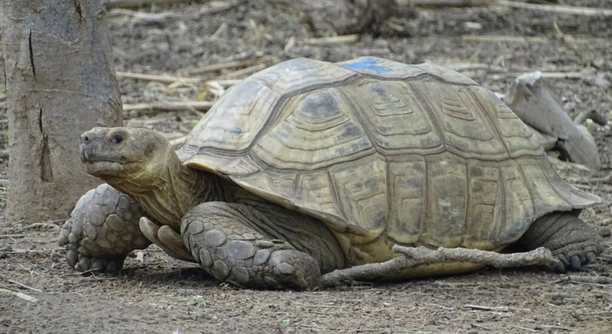
Is your sulcata tortoise always positioning itself toward the sun? This common behavior is not random but serves an important purpose. Understanding why your tortoise does this can help you provide the best care for its health and well-being.
Sulcata tortoises face the sun primarily to regulate their body temperature and absorb necessary UVB rays. Since they are ectothermic, they rely on external heat sources to stay warm. Sun exposure also helps with vitamin D3 production, which is essential for proper calcium absorption and shell health.
This natural behavior plays a crucial role in your tortoise’s daily routine. Recognizing its significance will allow you to create a suitable environment that supports its overall well-being.
The Importance of Sunlight for Sulcata Tortoises
Sunlight plays a crucial role in a sulcata tortoise’s daily life. It helps regulate their body temperature, supports digestion, and ensures proper metabolism. Without access to sunlight or a suitable UVB source, they may struggle with calcium absorption, leading to serious health issues. In the wild, these tortoises spend hours basking in direct sunlight to stay active and maintain their overall well-being. Their instinct to face the sun helps them maximize heat absorption, keeping their bodies at an optimal temperature. Providing an environment that mimics their natural habitat is essential for their health and longevity.
A lack of proper sun exposure can lead to metabolic bone disease, shell deformities, and weakened immunity. These conditions can significantly impact their quality of life and require medical attention. Ensuring they receive enough UVB light prevents these issues and supports healthy growth.
If natural sunlight is not available, a high-quality UVB lamp is necessary. Placing it in their enclosure allows them to receive the necessary light exposure. It is also important to monitor their behavior, as excessive basking or avoiding heat sources may indicate an issue with their habitat. Adjusting their setup based on their needs will keep them comfortable and thriving.
How to Provide the Best Sunbathing Spot
Sulcata tortoises need a safe, accessible space to bask in direct sunlight. Without it, they may become sluggish and develop health problems.
For outdoor enclosures, choose a sunlit area that remains warm throughout the day. A shaded spot should also be available to prevent overheating. The basking area should have a natural surface like grass or soil, as these materials help retain warmth. A well-secured outdoor pen will prevent escape and keep predators out. If your tortoise lives indoors, a high-quality UVB lamp should be placed at the correct distance from their basking spot. This ensures they receive enough light to maintain strong bones and proper metabolic function.
Temperature control is essential. The basking area should be around 100°F, while the cooler side of the enclosure should remain at 75–85°F. Monitoring these temperatures daily helps create a stable environment. Regularly checking your tortoise’s activity and eating habits will also indicate if they are comfortable.
Signs Your Sulcata Tortoise Is Getting Enough Sunlight
A healthy sulcata tortoise will have a strong appetite, an active demeanor, and a smooth, well-formed shell. Regular basking in direct sunlight or under a UVB lamp is essential for their well-being. If they frequently position themselves toward the sun, it’s a natural sign they are meeting their needs.
Shell strength and bone development depend on consistent UVB exposure. If your tortoise moves between warm and shaded areas throughout the day, it shows they are regulating their body temperature effectively. Normal behaviors include basking in the morning, foraging in the afternoon, and resting in cooler areas when needed. Observing these daily habits helps confirm they are receiving enough sunlight.
If your tortoise maintains a steady weight and shows no signs of lethargy, their environment is likely well-balanced. Proper calcium absorption leads to strong limb movement and a firm shell. A healthy tortoise will be alert, responsive, and display natural behaviors without hesitation.
What to Do If Your Tortoise Is Not Getting Enough Sunlight
Lack of sunlight can lead to slow movement, soft shell development, and poor appetite. If your tortoise spends most of the day hiding, avoiding its basking spot, or showing signs of weakness, it may not be receiving enough UVB exposure. Addressing this quickly prevents serious health complications.
For outdoor tortoises, ensure their enclosure gets at least five hours of direct sunlight daily. If shade covers most of their space, reposition their basking area to a sunnier location. For indoor tortoises, check that their UVB bulb is the correct strength and distance from their basking spot. Bulbs lose effectiveness over time, so replacing them every six months is necessary.
Diet also plays a role in compensating for insufficient sunlight. Providing calcium supplements with vitamin D3 can help prevent deficiencies, but they should not replace proper UVB exposure. Monitoring their activity levels, shell condition, and appetite will help determine if adjustments are needed.
Common Mistakes When Providing Sunlight
Keeping a tortoise in a space with indirect sunlight will not meet their UVB needs. Glass and plastic barriers block essential UV rays, preventing proper absorption. Placing their enclosure near a window is not enough, as they require direct exposure to natural or artificial UVB light.
Using a weak or outdated UVB bulb can lead to deficiencies. Bulbs lose effectiveness over time, even if they still emit light. Checking the manufacturer’s recommendations and replacing bulbs every six months ensures your tortoise receives the necessary UVB for healthy shell and bone development.
How Weather Affects Sun Exposure
Cloudy days and colder temperatures can limit a tortoise’s access to sunlight. If outdoor basking is not possible, an indoor setup with a high-quality UVB lamp is necessary. During winter, when natural sunlight is weaker, maintaining a consistent heat source prevents inactivity and potential health issues caused by inadequate exposure.
Adjusting Sunlight for Different Ages
Young sulcata tortoises need more sunlight than adults to support rapid growth and shell development. Hatchlings benefit from extended basking time, ensuring strong bone formation. Older tortoises still require consistent UVB exposure, but their needs may be slightly lower as their growth rate slows.
FAQ
Why is my sulcata tortoise not basking in the sun?
If your tortoise is avoiding the sun or basking spot, it could be due to several factors. First, ensure the basking area is set up correctly with the right temperature and light intensity. If the basking spot is too hot, too cold, or too far from the light source, your tortoise might not feel comfortable. It’s also possible that they are sick or stressed. If behavior changes persist, a vet checkup is recommended.
How can I tell if my tortoise is getting enough UVB exposure?
A tortoise receiving adequate UVB will have a smooth, firm shell and will actively bask throughout the day. They will be alert, feed regularly, and move around with ease. If they show signs of lethargy, poor appetite, or shell deformities, it might indicate insufficient UVB. Regular monitoring of your tortoise’s behavior, eating habits, and shell condition can provide clear signs.
Can I provide sunlight for my tortoise indoors?
Yes, you can provide sunlight indoors using a UVB light designed for reptiles. Regular sunlight through windows is not sufficient, as glass blocks UVB rays. Set up the UVB lamp correctly, maintaining the proper distance and using a timer to ensure consistent exposure.
How long should my tortoise bask in the sun each day?
Ideally, sulcata tortoises should bask for around 5-6 hours each day to meet their UVB needs. In the wild, they bask for much longer, but in captivity, 5-6 hours is sufficient. If outdoor sunlight is limited, use a UVB lamp to provide the necessary exposure indoors.
Is it okay if my tortoise doesn’t spend time in the sun every day?
While it’s best for a tortoise to have daily sun exposure, it’s not always possible, especially during poor weather. If this happens, it’s important to have an alternative source of UVB, like a high-quality UVB lamp, to make up for the lack of natural sunlight.
Can my sulcata tortoise get too much sun?
Yes, overexposure to the sun can lead to overheating and dehydration, particularly if there isn’t a shaded area for your tortoise to retreat to. It’s important to offer a variety of temperature zones within their enclosure. If your tortoise seems to be basking too long, make sure they have access to cooler areas for balance.
What type of UVB bulb should I use for my tortoise?
For sulcata tortoises, a UVB bulb that emits both UVA and UVB rays is essential. A 10.0 UVB bulb is commonly recommended, but check the manufacturer’s guidelines for your specific setup. The bulb should be replaced every six months, even if it still emits visible light, as UVB output declines with age.
Can I use a regular light bulb instead of a UVB bulb?
No, regular light bulbs do not provide UVB rays, which are essential for your tortoise’s health. Only specialized UVB bulbs designed for reptiles can provide the necessary light for calcium absorption and bone development.
What should the temperature be in the basking area for my tortoise?
The basking area should be around 100°F (38°C) for sulcata tortoises. The cooler side of their enclosure should be between 75°F (24°C) and 85°F (29°C). This temperature gradient allows your tortoise to regulate its body temperature by moving between warmer and cooler areas.
Do sulcata tortoises need to be outside to get sunlight?
Sulcata tortoises can get sunlight outdoors, but they can also thrive indoors with the right setup. If kept outside, they should have a secure, sunny area where they can bask. However, if you live in an area with limited sunlight or unpredictable weather, an indoor enclosure with UVB lighting can provide a reliable alternative.
How do I know if my tortoise’s shell is healthy?
A healthy tortoise shell should be smooth, firm, and free of cracks or soft spots. Over time, you may notice some minor wear, but it should not be excessively soft or deforming. If the shell appears overly soft, this could be a sign of calcium deficiency or inadequate UVB exposure.
Can I provide vitamin D3 supplements instead of UVB light?
While vitamin D3 supplements can support calcium absorption, they should never replace UVB light. UVB exposure is the most effective way for your tortoise to naturally produce vitamin D3, which is essential for bone health and shell development. Relying solely on supplements can lead to deficiencies over time.
How do I help my tortoise if its shell is soft?
A soft shell is often a sign of metabolic bone disease or insufficient UVB exposure. To address this, increase UVB exposure, either through direct sunlight or a high-quality UVB lamp. Additionally, offer calcium supplements and ensure your tortoise is eating a balanced diet rich in leafy greens and appropriate vegetation.
How often should I replace the UVB bulb?
UVB bulbs lose their effectiveness over time, even if they still emit light. It’s recommended to replace UVB bulbs every six months to ensure your tortoise is receiving the proper UVB exposure. Some high-quality bulbs can last a bit longer, but it’s better to replace them sooner than later to avoid deficiencies.
What is the best way to keep my tortoise warm in the winter?
During winter, ensure your tortoise has access to a heated area with consistent warmth. If they’re indoors, use a heat lamp or ceramic heat emitter to provide the necessary warmth in the basking area. You can also increase humidity slightly to mimic their natural environment during cooler months.
Why does my tortoise face the sun even when it’s not that hot?
Tortoises instinctively face the sun not only to warm their bodies but also to absorb UVB rays, which are essential for their health. Even on cooler days, they may bask in the sun for vitamin D3 production. It’s a natural behavior to ensure their body stays balanced and healthy.
Final Thoughts
Understanding why your sulcata tortoise faces the sun helps provide better care for them. These tortoises have a natural instinct to seek sunlight because of its vital role in their overall health. Sunlight aids in vitamin D3 production, essential for calcium absorption and bone health. Without it, your tortoise could suffer from metabolic bone disease, leading to a weakened shell and other health issues. Providing consistent access to sunlight or UVB lighting is crucial in ensuring that your tortoise remains active and healthy.
While sunbathing is natural for these reptiles, it’s important to monitor their exposure. Too much direct sunlight without access to shade can cause overheating or dehydration. On the other hand, too little exposure can lead to deficiencies. The key is creating an environment that allows your tortoise to regulate its temperature by moving between sunny and shaded spots. This way, your tortoise can maintain a comfortable and healthy body temperature while still getting the UVB light it needs for proper development.
Creating a suitable habitat for your sulcata tortoise isn’t just about providing sunlight. It’s also about ensuring a proper temperature gradient, offering a balanced diet, and maintaining the right humidity levels. By mimicking their natural environment, you can help your tortoise thrive in captivity. Keeping an eye on your tortoise’s behavior and health, including its shell condition and activity levels, can give you important clues about its well-being. By meeting these basic needs, your sulcata tortoise can lead a long and healthy life.

Hello,
If you enjoy the content that we create, please consider saying a "Thank You!" by leaving a tip.
Every little bit helps us continue crafting quality advice that supports the health, happiness, and well-being of pets around the world, for pets of all shapes, sizes, and species.
We really appreciate the kindness and support that you show us!