
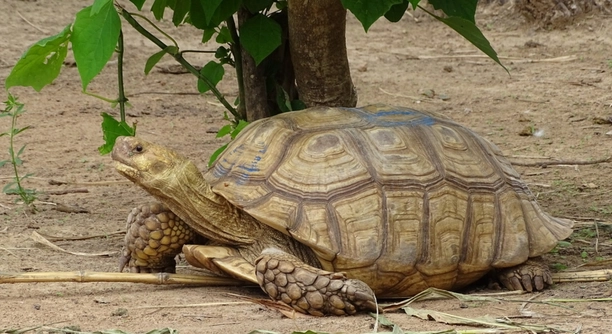
Sulcata tortoises are fascinating pets known for their size and long lifespan. Their diet plays a major role in their health, and as a tortoise owner, you may wonder what kind of plants they can safely enjoy.
Sulcata tortoises can eat dandelions. These plants are rich in nutrients like calcium and fiber, which are beneficial for their health. However, dandelions should be offered in moderation as part of a varied diet to avoid overconsumption of certain compounds.
Offering your tortoise the right variety of plants, like dandelions, can enhance its diet. There are a few key points to consider when feeding them this common weed.
Are Dandelions Safe for Sulcata Tortoises?
Dandelions are often found in gardens and lawns, but they can be more than just a weed. For Sulcata tortoises, they offer a natural treat that can contribute to a balanced diet. These plants contain valuable nutrients, such as calcium and fiber, that are important for a tortoise’s health. The greens, flowers, and roots of dandelions can all be consumed, but moderation is key. Too much of any one plant can lead to an imbalance in their diet, especially if they consume it in place of other needed vegetables or grasses.
While dandelions are safe, it’s important to gather them from pesticide-free areas. Wild dandelions may contain harmful chemicals from lawn treatments. If you’re unsure, it’s best to grow your own dandelions in a garden or buy them from a trusted source.
Even though dandelions can be beneficial, they shouldn’t be the only plant your tortoise eats. A varied diet that includes other leafy greens, grasses, and vegetables is crucial for providing the nutrients they need. Dandelions can supplement a tortoise’s diet, but they shouldn’t dominate it. Always ensure that your pet is receiving a well-rounded and nutrient-dense variety of foods.
Nutritional Benefits of Dandelions
Dandelions offer a wide range of nutrients that support your tortoise’s health. The plant is high in fiber, which is great for digestion and can help prevent issues like impaction. Additionally, dandelions are a good source of calcium, which is essential for strong bones and healthy shells. This is especially important for Sulcata tortoises, as their large size requires consistent calcium intake.
It’s important, however, to remember that dandelions also contain oxalates. These compounds can bind to calcium, making it harder for the tortoise to absorb. When feeding dandelions, you can reduce the oxalate content by offering other plants and foods that balance out the oxalate levels.
How to Prepare Dandelions for Your Tortoise
Before offering dandelions to your Sulcata tortoise, it’s important to clean them thoroughly. Wash the plant to remove any dirt or pests that might be lingering on the leaves. If you’re picking wild dandelions, ensure they haven’t been treated with pesticides or chemicals, which can be harmful. If you’re unsure of their safety, consider growing your own or purchasing them from a trusted source.
Dandelions should be fed fresh, and you can give your tortoise both the leaves and flowers. The flowers are especially attractive to tortoises and can provide an extra treat. Avoid feeding them dried dandelions, as they lose some of their nutritional value when dried out. When preparing the dandelions, remove any wilted or brown leaves before offering them.
While dandelions are a tasty addition to your tortoise’s diet, they should be offered in moderation. A diet rich in variety is important to avoid overloading your tortoise with certain nutrients. Dandelions can be given a few times a week along with other leafy greens and grasses to maintain a balanced nutrition plan.
Potential Risks of Feeding Dandelions
Although dandelions are generally safe for tortoises, there are some potential risks. The biggest concern is overfeeding. Dandelions contain calcium, which is beneficial in moderation, but too much calcium can lead to kidney problems or shell deformities. Another risk comes from oxalates, which can bind to calcium in the body and prevent proper absorption.
To reduce the risk of overfeeding, always mix dandelions with other leafy greens and vegetables. This ensures that your tortoise gets a wider range of nutrients and prevents any one food from becoming a problem. Avoid feeding dandelions in place of grasses, as these are a vital part of a Sulcata tortoise’s natural diet. Always be cautious when adding new plants to their routine.
Can Dandelions Replace Other Foods in Their Diet?
Dandelions should not replace other foods in your tortoise’s diet. While they offer beneficial nutrients, it’s essential for Sulcata tortoises to have a variety of plants, grasses, and vegetables. A diet with diverse options ensures they get all the vitamins and minerals they need to stay healthy.
If dandelions become too frequent in their diet, your tortoise might miss out on essential nutrients that other foods provide. Green leafy vegetables, such as collard greens and mustard greens, should make up a large portion of their meals. Grass hay is also crucial for proper digestion and overall health.
Other Suitable Plants for Sulcata Tortoises
In addition to dandelions, Sulcata tortoises can enjoy a variety of other plants. Good options include plantain, clover, and hibiscus flowers. These plants provide fiber and nutrients that support a healthy digestive system. It’s best to offer these plants alongside a variety of safe grasses to mimic their natural diet.
How Often to Feed Dandelions to Your Tortoise
Dandelions should be fed to your tortoise occasionally, a few times a week at most. If you offer them too often, it could lead to an imbalance in their diet. It’s important to rotate them with other nutritious options for the best results.
Can Sulcata Tortoises Eat Dandelions Every Day?
While dandelions are a healthy treat for Sulcata tortoises, feeding them every day isn’t recommended. Dandelions contain a high amount of calcium and oxalates. If offered too frequently, it can lead to an imbalance in your tortoise’s diet. The excess calcium could affect kidney function, and oxalates could interfere with calcium absorption. To maintain a balanced diet, you should offer dandelions a few times a week, not daily. This way, they can enjoy the benefits without any negative consequences.
Mixing dandelions with other greens and grasses will provide your tortoise with a wider range of nutrients, ensuring that they get everything they need for good health. A varied diet is key to preventing nutrient deficiencies and avoiding overconsumption of any one plant.
Are Dandelions Good for Sulcata Tortoises’ Shells?
Dandelions can contribute to the health of your Sulcata tortoise’s shell due to their high calcium content. Calcium is essential for strong bones and shell growth, especially in young tortoises. A steady intake of calcium can help prevent shell deformities and support overall skeletal health. However, dandelions should be part of a larger diet that includes other calcium-rich foods and not relied on as the sole source.
Overconsumption of dandelions, though, can cause an imbalance. Too much calcium without other necessary vitamins or minerals could lead to kidney issues or other health problems. It’s important to include a variety of safe plants to give your tortoise the best nutrition.
Can Sulcata Tortoises Eat Dandelions from the Garden?
If you’re picking dandelions from your garden, you need to ensure they haven’t been treated with pesticides or chemicals. Even though dandelions are generally safe, these chemicals can harm your tortoise. If you’re unsure, consider growing your own dandelions or buying them from a trusted, pesticide-free source.
Harvesting dandelions directly from your garden also allows you to control the quality of the plant. Look for fresh, healthy leaves that haven’t started to wilt. If you find any damaged parts, remove them before offering the dandelions to your tortoise. Always wash them thoroughly to remove any dust or bugs.
Are Dandelions Safe for Baby Sulcata Tortoises?
Dandelions can be fed to baby Sulcata tortoises, but they should still be offered in moderation. Like adult tortoises, baby Sulcatas need a balanced diet to support their growth. Dandelions can provide important nutrients like calcium and fiber, but offering too much of them can disrupt their diet and affect their health.
For babies, it’s crucial to provide a range of foods, including grasses, leafy greens, and other plant matter. Baby tortoises grow quickly, and a diverse diet will ensure they develop properly and maintain healthy shells and bones. Dandelions can be part of their menu, but not the entire meal.
Can Sulcata Tortoises Eat Dandelions from the Wild?
Yes, Sulcata tortoises can eat wild dandelions, but there are some risks involved. Wild dandelions can be exposed to harmful chemicals, like pesticides or herbicides, which can be toxic to tortoises. If you decide to pick dandelions from the wild, make sure they are in a clean area, free from chemicals.
Even if the dandelions look safe, it’s always a good idea to wash them thoroughly to remove dirt, insects, and potential pesticides. If you’re uncertain about the safety of wild dandelions, it’s better to grow your own or buy them from a reliable source.
Can Sulcata Tortoises Eat Dandelions with Flowers?
Sulcata tortoises can safely eat dandelion flowers. In fact, many tortoises find the bright, yellow flowers especially tasty. The flowers are rich in nutrients, including vitamins A and C, which support your tortoise’s overall health. The petals are also a great source of antioxidants, which help protect against cell damage.
Just like with the leaves, it’s important to offer dandelion flowers in moderation. While they provide beneficial nutrients, feeding too many flowers can result in an imbalance of calcium or other nutrients. Combining flowers with other food options will ensure your tortoise gets the variety it needs.
Can Dandelions Help with Digestion in Sulcata Tortoises?
Yes, dandelions can aid in digestion for Sulcata tortoises. The high fiber content in dandelions is beneficial for their digestive health. Fiber helps to keep things moving in their digestive system and prevents issues like constipation. Including dandelions in their diet provides a natural source of fiber that supports a healthy gut.
However, you should balance fiber intake with other foods to avoid excessive fiber, which can cause digestive upset. Feeding a variety of plants and grasses is essential for optimal digestive function. Make sure your tortoise has access to plenty of clean water as well, as hydration also plays a major role in digestion.
How Often Should I Rotate Dandelions with Other Greens?
Dandelions should be rotated with other greens every few days. While dandelions are nutritious, feeding them too often could lead to an overconsumption of certain nutrients like calcium. By rotating dandelions with other safe greens like collard greens, mustard greens, or turnip greens, you ensure your tortoise gets a variety of nutrients.
Variety is crucial for preventing nutrient imbalances and supporting your tortoise’s health. A good strategy is to offer dandelions one or two times a week, along with a wide range of other plants and grasses. This approach helps maintain a well-rounded diet that supports growth, shell health, and overall well-being.
Are Dandelions Good for Adult Sulcata Tortoises?
Dandelions are a good addition to the diet of adult Sulcata tortoises. Their high calcium content supports strong bones and a healthy shell. However, they should not make up the majority of your tortoise’s diet. Adult tortoises need a balanced intake of leafy greens, grasses, and other plant-based foods.
Feeding dandelions too often can result in an imbalance of nutrients. For adult tortoises, it’s best to include dandelions as a supplement rather than a primary food source. Offering a variety of plant-based foods ensures that your tortoise remains healthy and strong throughout its long life.
When feeding your Sulcata tortoise, it’s essential to remember that variety is key. While dandelions are a nutritious and safe treat, they should only be offered in moderation. Dandelions provide calcium, fiber, and antioxidants, which are all beneficial for your tortoise’s health. However, feeding too many dandelions could lead to an imbalance in their diet, especially due to the high calcium content and oxalates they contain. Overconsumption of any one plant can cause problems like kidney issues or interfere with the absorption of other important nutrients. Therefore, it’s important to include dandelions alongside a variety of other safe plants and grasses.
A well-rounded diet is crucial for the long-term health of your Sulcata tortoise. This means offering different greens, grasses, and other plant matter regularly. You can include dandelions as a small part of that rotation, but ensure your tortoise gets access to a wide range of vegetables and fibrous plants. Grass hay, leafy greens like collard or mustard greens, and other edible plants should be included to ensure they receive all the vitamins and minerals needed for healthy growth, strong bones, and a vibrant shell. By offering a diverse range of foods, you’ll help your tortoise stay in good condition and avoid potential nutritional imbalances.
Lastly, if you choose to collect dandelions from the wild, make sure they haven’t been exposed to pesticides or harmful chemicals. Pesticides can be toxic to your tortoise, so it’s best to pick dandelions from untreated areas or grow them yourself. Always wash the plants thoroughly before feeding them, whether they’re wild or store-bought, to remove any dirt, bugs, or chemicals. Providing your Sulcata tortoise with fresh, safe food is essential for their well-being. By taking these simple precautions and maintaining a balanced diet, you’ll ensure your tortoise lives a healthy and happy life.

Hello,
If you enjoy the content that we create, please consider saying a "Thank You!" by leaving a tip.
Every little bit helps us continue crafting quality advice that supports the health, happiness, and well-being of pets around the world, for pets of all shapes, sizes, and species.
We really appreciate the kindness and support that you show us!