
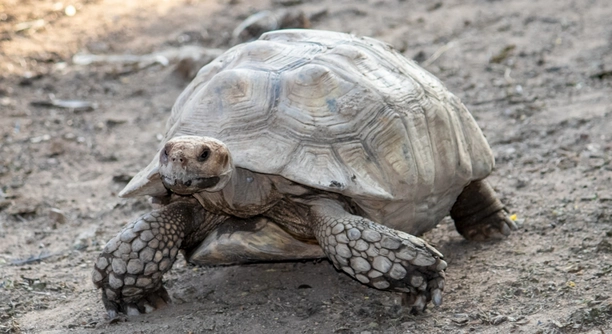
Sulcata tortoises are wonderful pets but can struggle with overheating, especially in warmer environments. It’s important to know how to protect them from the heat to ensure their health and comfort.
The key to preventing overheating in Sulcata tortoises is creating a stable environment with shade, proper ventilation, and accessible cool areas. Adjusting their habitat and providing hydration will help them regulate their body temperature effectively.
There are several steps to take to ensure your tortoise stays cool and healthy. Understanding these simple methods will help maintain a safe environment for your pet.
Create Shade and Shelter
One of the most important things to prevent overheating in Sulcata tortoises is ensuring they have ample shade. These tortoises are native to desert regions, but they still need to escape direct sunlight to cool down. Create shaded areas using natural structures like rocks, bushes, or artificial covers. A shaded hide can provide them with a cool and secure space to retreat to when the temperature rises.
Providing shelter is equally important. A well-constructed hide will give your tortoise a place to rest and cool off. It should be sturdy enough to block out the sun but still allow for ventilation. Adding natural elements like leaves and logs can help replicate the cooling effect of a natural environment. If your tortoise is housed in an outdoor enclosure, make sure there’s enough space for them to move between the sun and shaded areas to regulate their body temperature.
A shaded area ensures that your tortoise can manage temperature changes more effectively. It also reduces stress, allowing them to feel safe and relaxed throughout the day.
Hydration Is Key
Ensuring your tortoise stays hydrated is crucial for its health. Water bowls should be placed in shaded areas to keep the water cool.
Dehydration can make your tortoise more vulnerable to heat stress. Make sure water is available at all times, especially during hot weather.
Proper Ventilation
Good ventilation in the tortoise’s enclosure is essential to prevent the buildup of excessive heat. Without airflow, the temperature can quickly rise, leading to potential overheating. Ensure that there are gaps or windows in the shelter where air can circulate freely.
In outdoor enclosures, avoid fully enclosing the space. Instead, allow airflow from all sides. For indoor enclosures, make sure that the top and sides are designed to allow air to move. If the space is too enclosed, a small fan can help regulate air circulation.
A ventilated environment helps the tortoise regulate body temperature more effectively. It can also prevent humidity from reaching uncomfortable levels, which is just as important for their overall health.
Monitor Temperature
Use thermometers in both the basking and cooler areas of the enclosure to monitor the temperature closely. Keeping track of these readings allows you to adjust as needed.
Temperatures should be well-regulated to ensure that your tortoise can choose the appropriate spot for warming up or cooling down. For Sulcata tortoises, the basking area should range from 95°F to 100°F, while cooler areas should be about 75°F to 85°F. This setup lets them move between zones to maintain the ideal body temperature.
Knowing the current temperatures also allows you to catch any fluctuations before they cause problems. The tortoise will naturally move to a cooler or warmer spot based on its needs, so maintaining a controlled environment is essential.
Avoid Overexposure to Sunlight
While Sulcata tortoises need some sun to stay healthy, prolonged exposure can lead to overheating. Ensure they have enough shaded areas to escape the sun whenever necessary.
In hot climates, it’s important to avoid long hours of direct sunlight. A few hours in the sun is enough for them to absorb vitamin D, but they need shelter to retreat to if the temperature rises too much.
Use Cool Flooring Materials
Using cooler flooring materials can help lower the overall temperature of the enclosure. Tile or slate works best as it retains coolness and gives the tortoise a chance to chill out.
These materials are easy to clean and maintain, making them an excellent choice for indoor enclosures. The cool surface also helps to regulate the tortoise’s body temperature when it chooses to rest.
FAQ
How do I know if my Sulcata tortoise is overheating?
Signs of overheating in Sulcata tortoises include excessive lethargy, difficulty breathing, and a lack of appetite. Their skin may appear pale or dry, and they may seek shelter more frequently. It’s important to regularly monitor their behavior during hot weather to catch these signs early. If you notice any of these symptoms, move them to a cooler area immediately and ensure they have access to water.
Can Sulcata tortoises tolerate high temperatures?
Sulcata tortoises are native to hot, desert climates and can tolerate high temperatures, but they still need shade and proper cooling methods to prevent overheating. In their natural habitat, they often seek shelter during the hottest parts of the day. For optimal care, temperatures in their enclosure should be carefully controlled, with hot spots in the basking area and cooler zones for rest.
What is the best way to cool down an overheated tortoise?
If your tortoise becomes overheated, the first step is to move it to a cooler area. A shaded, well-ventilated spot with access to fresh water is ideal. Gently mist the tortoise with cool water to help lower its body temperature. Avoid drastic temperature changes that could cause stress. Keep the tortoise in a calm, quiet environment until it has recovered.
How often should I provide water for my Sulcata tortoise?
Water should always be available to your Sulcata tortoise, especially in hot weather. Dehydration can lead to severe health problems, including overheating. Change the water daily to keep it clean, and ensure the bowl is placed in a shaded area to keep it cool. It’s also beneficial to offer water for soaking, which helps the tortoise stay hydrated.
Can I keep my Sulcata tortoise outdoors year-round?
If you live in a warm climate, you can keep your Sulcata tortoise outdoors year-round. However, they still need protection from extreme temperatures, particularly from heat waves. During hot months, make sure they have access to shaded areas and cool places. For colder climates, it’s important to bring them indoors when temperatures drop to prevent cold stress.
What’s the best bedding for an outdoor Sulcata tortoise enclosure?
For outdoor enclosures, natural bedding like grass, hay, or straw works best. These materials allow your tortoise to dig and create a cool space to rest. Avoid using synthetic materials that may trap heat or moisture. Keep the bedding clean and dry to prevent bacterial growth. This also makes it easier for the tortoise to regulate its body temperature.
Should I use a fan for my Sulcata tortoise?
A fan can help with ventilation in an indoor enclosure, especially during extremely hot weather. It helps promote airflow and can prevent the enclosure from becoming too humid or stuffy. However, be cautious not to create a draft that could stress the tortoise. Always monitor the temperature and adjust accordingly.
Is it safe to use heating lamps with Sulcata tortoises?
Heating lamps are essential for creating a basking area for Sulcata tortoises. These lamps provide the heat they need to regulate their body temperature. Make sure the temperature is carefully monitored, with a basking spot reaching 95-100°F. Ensure the lamp is positioned so the tortoise can move away if it becomes too hot. Overheating from lamps can be dangerous if not properly managed.
How much space does a Sulcata tortoise need?
Sulcata tortoises are large and active, so they require a lot of space. For indoor enclosures, aim for at least 100 square feet for an adult tortoise. Outdoor enclosures should be even larger, with enough room for them to roam freely, find shade, and dig. Adequate space is essential for their physical and mental health.
Can Sulcata tortoises live with other pets?
Sulcata tortoises are generally solitary creatures. They can live with other pets, but it’s important to keep a close watch on interactions. Other pets may pose a risk, especially if they are too active or aggressive. In most cases, it’s better to house them separately to avoid stress and potential injury.
Final Thoughts
Ensuring your Sulcata tortoise stays cool and healthy requires attention to several factors. The right enclosure setup, including proper ventilation and temperature control, plays a critical role in maintaining their well-being. Consistently monitor their environment, adjusting as needed to avoid temperature fluctuations. Keeping track of both basking and cooler zones in the enclosure will help the tortoise regulate its body temperature.
The use of shaded areas, proper hydration, and cool flooring materials can also assist in preventing overheating. Tortoises should always have access to a cooler space where they can escape the sun’s direct heat. While they enjoy basking in the sun, they also need a retreat to avoid prolonged exposure to high temperatures. By providing adequate shade and cool surfaces, you can prevent stress and health issues linked to overheating.
By closely observing your tortoise’s behavior and adjusting their living conditions accordingly, you can ensure their long-term health. If you notice signs of overheating, take immediate action to cool them down. Overheating is preventable with the right care and attention, allowing your Sulcata tortoise to thrive in a comfortable and safe environment.

Hello,
If you enjoy the content that we create, please consider saying a "Thank You!" by leaving a tip.
Every little bit helps us continue crafting quality advice that supports the health, happiness, and well-being of pets around the world, for pets of all shapes, sizes, and species.
We really appreciate the kindness and support that you show us!