
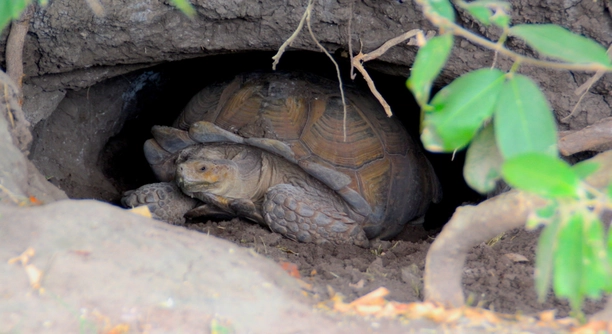
Sulcata tortoises are fascinating creatures, and their behaviors can sometimes leave us wondering. One common sound you may notice from them is a clicking noise. This behavior can be puzzling if you’re not familiar with it.
The clicking sound your sulcata tortoise makes is usually due to their natural breathing, particularly when they exhale forcefully. It can also occur when they are feeling stressed or uncomfortable in their environment.
Understanding why your tortoise is making this noise can help ensure they are comfortable and healthy. Keep reading to learn more about the potential causes and how to address them.
Common Causes of Clicking Sounds in Sulcata Tortoises
Clicking sounds in sulcata tortoises are often harmless, but sometimes they signal an issue. One common cause is breathing patterns. When tortoises exhale, their throat movement can create a subtle clicking noise. Another possible reason is stress. Environmental changes or handling can make a tortoise anxious, causing unusual sounds. Additionally, debris or food stuck in the mouth might create occasional clicks. Respiratory infections are another concern. If the clicking is accompanied by mucus, labored breathing, or loss of appetite, it may be time to consult a veterinarian. Ensuring proper care and understanding these causes can help you respond appropriately.
Most clicking sounds are natural, especially when the tortoise breathes or moves around. However, any changes in behavior or other unusual symptoms should be taken seriously.
Keeping the habitat clean, maintaining proper humidity levels, and avoiding sudden changes can reduce unnecessary stress and prevent potential health issues for your tortoise.
When to Seek Veterinary Assistance
Clicking sounds that persist or come with symptoms like wheezing, mucus, or lethargy might indicate a respiratory infection. Infections are often caused by incorrect humidity or temperature, so it’s important to address these factors.
Respiratory infections can become serious if untreated. Tortoises need a warm, stable environment to maintain their health. Low humidity or drafts can stress their respiratory system, causing infections. If you notice any concerning signs, seek veterinary help as soon as possible. A professional may perform a physical exam or recommend imaging to diagnose the issue. Antibiotics or supportive care might be prescribed depending on the severity.
Regular monitoring and maintaining proper enclosure conditions can help prevent issues. By paying attention to your tortoise’s sounds and behaviors, you can better support their health and well-being.
How Environment Affects Tortoise Sounds
The environment plays a significant role in the sounds your tortoise makes. If humidity or temperature levels are off, it can affect their breathing, sometimes leading to clicking noises. A stable, well-maintained habitat is essential for their respiratory health.
Humidity should be kept between 40% and 60% for sulcata tortoises. When the air is too dry, their airways can become irritated, causing clicking or wheezing sounds. Temperature is equally important. Tortoises need a warm basking area around 95°F and a cooler zone around 75°F. Rapid temperature changes can stress their system, potentially causing breathing irregularities.
Regular cleaning of the enclosure is also necessary. Dust, food particles, or debris can get into the tortoise’s mouth or nostrils, creating unusual sounds. Make sure substrate materials are safe and avoid anything that can break down into fine particles. Clean water and proper ventilation will further support their breathing.
Health Issues Related to Clicking Sounds
Respiratory infections are a common health issue related to clicking sounds. These infections can develop when humidity is too low or the environment is drafty. Signs include mucus, open-mouth breathing, and lethargy. A veterinarian can provide treatment, often with antibiotics or supportive care.
Shell issues might also cause clicking sounds, particularly when there is discomfort or mobility problems. Injuries, infections, or poor nutrition can lead to stress-related behaviors, including unusual noises. If you notice changes in movement or shell texture, it’s best to seek professional advice.
Regular health check-ups can catch these issues early. Simple steps like maintaining a clean enclosure, monitoring diet, and adjusting environmental factors can help prevent health problems. Paying attention to these sounds and addressing concerns promptly will support your tortoise’s long-term well-being.
Adjusting the Habitat to Reduce Clicking Sounds
Ensure the enclosure’s temperature and humidity stay within safe ranges. Use a reliable thermometer and hygrometer to track conditions daily. Adjust heat sources and mist the habitat when necessary to maintain proper humidity levels for healthy breathing.
Clean the enclosure regularly to remove dust, leftover food, and waste. Use safe, non-toxic materials for bedding to prevent respiratory irritation. A clean, well-ventilated space supports better breathing and can reduce clicking sounds caused by environmental factors.
Behavioral Reasons for Clicking Sounds
Stress or excitement can cause clicking sounds in sulcata tortoises. Changes in their surroundings, excessive handling, or interactions with other pets may trigger stress-related noises. Providing a calm, consistent environment and minimizing disruptions can help reduce this behavior. Observing their reactions can also give insight into potential stressors.
When to Be Concerned
Persistent clicking sounds, especially when paired with unusual behaviors, should not be ignored. If symptoms like mucus, lethargy, or loss of appetite appear, a veterinarian visit is necessary. Early detection and treatment are crucial for protecting your tortoise’s health.
Why is my sulcata tortoise clicking when it breathes?
Clicking sounds when a sulcata tortoise breathes are often caused by natural respiratory movements. Tortoises breathe using throat and body movements, which can produce subtle clicking sounds. This noise is typically harmless if the tortoise is otherwise healthy. However, if you notice other symptoms like nasal discharge, wheezing, or lethargy, a respiratory infection could be the cause. In such cases, it’s best to consult a veterinarian to rule out any health concerns.
Can stress cause my tortoise to make clicking sounds?
Yes, stress can cause clicking sounds in sulcata tortoises. When tortoises are stressed, they might breathe more rapidly or make unusual noises. Stress can stem from environmental changes, excessive handling, or new surroundings. If the clicking starts suddenly after a habitat change or after handling, stress is likely the cause. To help reduce stress, maintain a consistent environment, limit unnecessary handling, and provide hiding spaces where your tortoise can feel secure.
What environmental factors contribute to clicking sounds?
Humidity, temperature, and air quality significantly impact your tortoise’s breathing and may cause clicking sounds. Low humidity levels can dry out their respiratory passages, while high humidity can encourage mold and bacteria growth. The ideal humidity range for sulcata tortoises is between 40% and 60%. Temperature is also crucial, with basking areas needing to stay around 95°F and cooler areas near 75°F. Inconsistent or improper conditions can irritate their respiratory system, so monitoring these factors regularly is important.
When should I be concerned about clicking sounds?
Clicking sounds paired with other symptoms like open-mouth breathing, mucus, or lethargy require immediate attention. Respiratory infections are a common concern and can worsen quickly if untreated. Infections often result from drafts, low humidity, or dirty environments. If your tortoise displays any additional signs of illness or the clicking persists for more than a few days, contact a reptile-savvy veterinarian. Early intervention is critical for preventing more serious complications.
How can I prevent clicking sounds in my tortoise?
Maintaining a clean, stable environment is key to preventing clicking sounds. Regularly clean the enclosure to remove dust, uneaten food, and waste. Ensure the substrate is safe and doesn’t break down into fine particles that could irritate the respiratory system. Monitor humidity and temperature daily, using tools like hygrometers and thermometers. Additionally, avoid frequent handling if your tortoise seems stressed and provide hiding areas for a sense of security.
Can respiratory infections cause permanent damage?
Yes, if left untreated, respiratory infections can cause lasting damage to your tortoise’s lungs and overall health. Chronic infections might weaken their immune system, making them more susceptible to future illnesses. Symptoms of advanced infections include labored breathing, lack of appetite, and decreased activity. If you suspect an infection, seek veterinary care immediately. With prompt treatment and proper habitat adjustments, most tortoises recover fully.
Why does my tortoise make clicking sounds while eating?
Clicking while eating can occur if food or debris gets temporarily stuck in the mouth. Tortoises use their beaks to bite and chew, and bits of food may shift, creating a clicking noise. Occasionally, tooth or jaw issues can cause similar sounds. If the clicking persists or your tortoise struggles to eat, it may be worth having a vet check for mouth injuries, infections, or abnormalities.
What role does hydration play in preventing clicking sounds?
Proper hydration helps maintain healthy respiratory function in sulcata tortoises. Dehydration can dry out mucus membranes, increasing the likelihood of clicking sounds. Soaking your tortoise in shallow, lukewarm water a few times a week supports hydration, especially for young tortoises. Providing constant access to clean drinking water and maintaining humidity levels within the recommended range also helps prevent breathing issues.
Could clicking sounds indicate a shell problem?
Though less common, shell problems can sometimes cause unusual noises. Tortoises rely on their shell and muscles to move, and if there are deformities or injuries, you might hear subtle clicks as they shift their body weight. Check the shell for cracks, soft spots, or discoloration. If you notice anything unusual, seek veterinary advice to address potential metabolic or structural issues.
Do younger sulcata tortoises click more than adults?
Younger sulcata tortoises may produce more noticeable clicking sounds due to their developing respiratory systems and more active behavior. As they grow and their breathing patterns stabilize, these sounds often decrease. However, any consistent clicking combined with other symptoms should still be evaluated by a veterinarian.
Final Thoughts
Clicking sounds in sulcata tortoises can be a normal part of their breathing or movement. These sounds often occur when they exhale or adjust their posture. However, if the clicking becomes frequent or is paired with other signs like mucus, wheezing, or lethargy, it might indicate a health issue. Respiratory infections, stress, or environmental factors can contribute to these sounds. Monitoring your tortoise’s behavior and keeping track of any changes can help you identify when something might be wrong. Understanding the difference between normal and abnormal sounds is essential for maintaining your tortoise’s well-being.
Maintaining a stable, clean environment plays a key role in preventing unusual sounds. Tortoises are sensitive to their surroundings, and factors like humidity, temperature, and air quality directly impact their respiratory health. Make sure to keep the humidity within the recommended range and avoid drastic temperature changes. Regularly cleaning the enclosure to remove dust, food debris, and waste is just as important. Providing a calm, consistent habitat will reduce stress and support healthy breathing patterns. Simple steps like these can help minimize the occurrence of clicking sounds and promote your tortoise’s overall health.
Staying observant and proactive is the best way to care for your sulcata tortoise. If clicking sounds persist despite proper habitat conditions, consulting a veterinarian is always a good idea. Early detection of potential issues can prevent more serious health problems. Tortoises rely on their environment and their owners’ attention to stay healthy. By understanding the possible causes of clicking sounds and taking practical steps to address them, you’ll be better prepared to care for your tortoise. With the right care, your tortoise can continue to live a comfortable and healthy life for many years to come.

Hello,
If you enjoy the content that we create, please consider saying a "Thank You!" by leaving a tip.
Every little bit helps us continue crafting quality advice that supports the health, happiness, and well-being of pets around the world, for pets of all shapes, sizes, and species.
We really appreciate the kindness and support that you show us!