
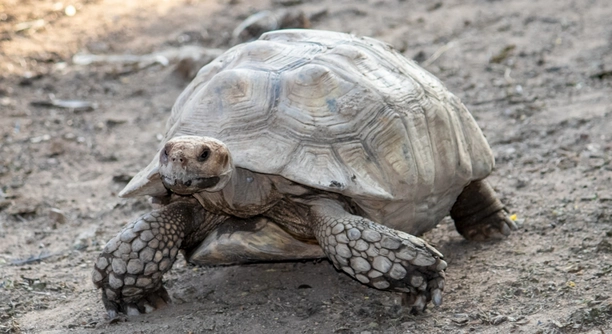
Sulcata tortoises are herbivores that require a balanced diet to stay healthy. Their diet mainly consists of grasses, leaves, and various plants. You may wonder if lettuce can be a part of their diet.
Sulcata tortoises can eat lettuce, but it should not be their main food. While lettuce is safe, it lacks the nutritional value needed for a balanced diet. Romaine lettuce is a better option compared to iceberg lettuce, which offers minimal nutrients.
Providing a variety of greens, including dandelion leaves and other high-fiber plants, ensures your tortoise gets proper nutrition.
Types of Lettuce Safe for Sulcata Tortoises
When considering lettuce for your sulcata tortoise, not all types are equally nutritious. Romaine lettuce is a suitable option because it has a higher fiber content compared to other varieties. It also offers some vitamins and minerals that are beneficial to your tortoise’s health. However, lettuce should be offered in moderation. Avoid iceberg lettuce, as it has minimal nutritional value and too much water, which can cause digestive issues for tortoises.
Lettuce is generally safe, but it lacks the essential nutrients needed for a well-rounded diet. It’s best to complement it with other greens.
Other greens like dandelion leaves and clover are better choices. These provide a richer array of vitamins and minerals that your sulcata needs to thrive. You can also include other vegetables, like squash and collard greens. Rotate these options to keep your tortoise’s diet diverse and healthy, promoting a balanced intake of nutrients. Offering various plants mimics the varied diet sulcata tortoises would encounter in the wild, supporting their overall well-being.
Potential Risks of Lettuce in Their Diet
Though lettuce isn’t harmful in small amounts, it can cause problems if fed too often. Lettuce’s high water content may lead to bloating or diarrhea. Too much can upset the tortoise’s stomach, and they may not absorb enough nutrients from their food. Keeping their diet balanced is crucial to preventing these digestive issues.
Feeding lettuce occasionally is fine, but make sure it isn’t the staple of their diet. Combine it with other high-fiber plants. The right mix will help avoid health problems related to digestion or nutritional imbalances.
Best Greens for Sulcata Tortoises
Dandelion leaves are an excellent choice for sulcata tortoises. They are packed with calcium and other essential nutrients, helping maintain strong bones and shell health. You can easily find dandelions in your yard, but ensure they haven’t been exposed to pesticides or chemicals.
Along with dandelion leaves, collard greens and mustard greens are great options. They offer a variety of vitamins and minerals, making them a healthy addition to their diet. These greens also contain high fiber, aiding in digestion and keeping your tortoise active. Always wash the greens thoroughly before feeding them to remove any dirt or residue.
Kale is another green to consider, but in moderation. Though it provides vitamins A and C, too much kale can cause an imbalance in calcium-to-phosphorus ratios. It’s essential to vary your tortoise’s greens to avoid overfeeding any one type. A mix of high-fiber, nutrient-rich greens is ideal for long-term health.
Fruits for Sulcata Tortoises
Fruits should only be given occasionally as a treat. While sulcata tortoises enjoy fruits, they are high in sugar and can lead to weight gain or digestive issues if offered too often. Small amounts of fruits like watermelon or berries can be refreshing and enjoyable for your tortoise.
Fruits like strawberries, cantaloupe, and figs can be fed to sulcata tortoises, but remember to remove any seeds. Too much sugar can disrupt their digestion, and seeds may cause blockages. Offering fruits once a week as a special treat is an excellent way to enrich their diet while maintaining balance.
Vegetables for Sulcata Tortoises
Squash, including zucchini and pumpkin, is an ideal vegetable for sulcata tortoises. It’s rich in vitamins and low in oxalates, making it safe for them to eat regularly. These vegetables also contain fiber, which is crucial for digestive health.
Carrots are another vegetable that can be fed to sulcata tortoises in moderation. While they are sweet, they do provide vitamin A, which supports their vision and immune system. However, they should not be a staple in their diet, as too many carrots may lead to an imbalance in nutrients.
Calcium and Vitamin D3 for Sulcata Tortoises
Sulcata tortoises need calcium for strong bones and shells, and vitamin D3 to help absorb it. Without sufficient calcium, they can develop shell deformities or other health problems. Dusting their food with calcium powder ensures they are getting enough.
Vitamin D3 can be obtained from exposure to sunlight. Providing your tortoise with outdoor time helps them absorb natural sunlight, which in turn helps with calcium absorption. You can also use a UVB light if sunlight isn’t available. Combining these two elements is key to supporting your tortoise’s health.
FAQ
Can sulcata tortoises eat iceberg lettuce?
Iceberg lettuce should be avoided when feeding sulcata tortoises. It contains very little nutritional value and can cause digestive issues due to its high water content. While not harmful in small amounts, it should never be the main part of their diet. Stick with more nutritious greens, like romaine or dandelion leaves.
How often should I feed my sulcata tortoise lettuce?
Lettuce can be fed to sulcata tortoises occasionally, but it shouldn’t be a regular part of their daily diet. A few times a week is sufficient, and it should be complemented with other nutrient-rich greens. You can also add some fruits or vegetables as treats every week.
What vegetables are best for sulcata tortoises?
Squash, zucchini, and pumpkin are excellent vegetables for sulcata tortoises. They are packed with vitamins and fiber, helping to support healthy digestion and overall health. Leafy greens like collard greens and mustard greens are also good choices for providing the necessary nutrients.
Can sulcata tortoises eat fruit?
Sulcata tortoises can eat fruit, but it should only be given in moderation. Fruits like watermelon, berries, and cantaloupe are suitable as occasional treats. Due to their high sugar content, fruits can lead to weight gain or digestive problems if fed too frequently. Always remove any seeds before feeding fruit.
Should I give my sulcata tortoise calcium supplements?
Yes, sulcata tortoises need calcium for strong bones and a healthy shell. Dusting their food with calcium powder is an effective way to ensure they get enough. This should be done a few times a week, especially if they aren’t getting enough calcium from their diet or natural sunlight.
How much water should my sulcata tortoise drink?
Sulcata tortoises require fresh water daily. They may not drink as often as other pets, but it’s important to provide water at all times. You can also mist their food or offer water-soaked vegetables to help them stay hydrated. Keep the water bowl clean and free from contaminants.
Can sulcata tortoises eat flowers?
Yes, sulcata tortoises can eat certain flowers. Safe options include hibiscus, dandelions, and pansies. Always check if the flowers have been treated with chemicals or pesticides before offering them to your tortoise. Some flowers may be harmful, so it’s important to research the safety of each flower.
How much should I feed my sulcata tortoise each day?
The amount of food a sulcata tortoise needs depends on its size and age. Young tortoises require more food to support their growth, while adults eat less but need a varied diet. A general rule is to feed them as much as they can consume in a few hours, ensuring a balance of greens, vegetables, and occasional fruit.
Can sulcata tortoises eat spinach?
Spinach should be fed to sulcata tortoises in moderation. While it contains valuable nutrients, spinach is high in oxalates, which can interfere with calcium absorption. Offering it occasionally is fine, but it should never be the main vegetable in their diet. Rotate it with other, less oxalate-rich greens.
Do sulcata tortoises need vitamin D3 supplements?
Vitamin D3 is crucial for sulcata tortoises, as it helps them absorb calcium. They can obtain it naturally through exposure to sunlight or by using a UVB light if they’re housed indoors. Supplementation with D3 is generally not necessary if they receive enough sunlight or UVB light.
Final Thoughts
When it comes to feeding sulcata tortoises, variety and balance are key. Their diet should be rich in fiber, calcium, and vitamins, which helps maintain strong bones, a healthy shell, and overall well-being. Offering a mix of dark leafy greens like collard greens, dandelion leaves, and vegetables such as squash or zucchini will provide them with the nutrients they need. While fruits can be a fun treat, they should only be offered sparingly due to their high sugar content. It’s important to avoid foods that may cause harm, such as iceberg lettuce, spinach in excess, or anything with pesticides.
Calcium plays a significant role in the health of sulcata tortoises, especially for their shells. Calcium supplements are beneficial, but the best way to ensure they get enough is by providing a variety of calcium-rich foods. Natural sunlight helps with vitamin D3 production, so giving your tortoise outdoor time is essential. If they’re kept indoors, a UVB light should be used to mimic natural sunlight, helping with calcium absorption. Consistently monitoring their diet and hydration will keep them healthy and active for years to come.
Feeding sulcata tortoises requires attention to their specific nutritional needs. Regularly assessing their diet and making adjustments as they grow will support their long-term health. By choosing appropriate greens, vegetables, and the occasional fruit, you can ensure they get the best care. Providing the right balance of nutrition, along with proper lighting and hydration, creates the foundation for a healthy and happy tortoise. A little planning and knowledge can make all the difference in their well-being.

Hello,
If you enjoy the content that we create, please consider saying a "Thank You!" by leaving a tip.
Every little bit helps us continue crafting quality advice that supports the health, happiness, and well-being of pets around the world, for pets of all shapes, sizes, and species.
We really appreciate the kindness and support that you show us!