
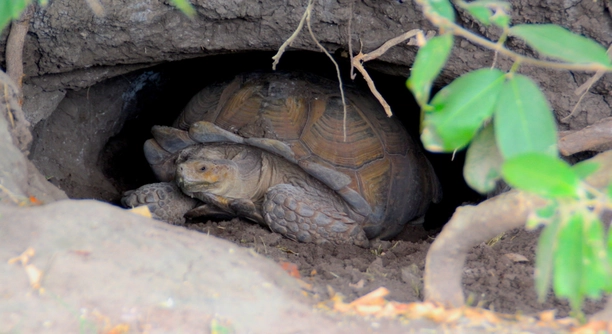
Sulcata tortoises are fascinating creatures, often displaying unexpected behaviors like constant climbing. Understanding why they climb can help provide better care and meet their needs effectively. There are several reasons behind this common behavior.
Sulcata tortoises often climb due to environmental factors, boredom, or an instinctual drive to explore. They may also climb to access food, shelter, or to find a mate. Climbing can be a form of exercise or an escape from perceived threats.
This behavior can be addressed by adjusting their habitat and ensuring they have plenty of space to roam.
Limited Space and Enclosures
A cramped enclosure is one of the main reasons for your sulcata tortoise’s climbing behavior. Sulcatas require a large space to roam, explore, and feel secure. If they don’t have enough room, they may start climbing walls in search of a larger territory. It’s essential to provide a spacious environment for them to move around freely. The more space they have, the less likely they are to try escaping or climbing.
When your tortoise is in an enclosure that’s too small, it can feel stressed and frustrated. This lack of space leads to climbing, as they may attempt to break out to find a better area. A larger space allows them to express natural behaviors and minimizes climbing tendencies.
A well-sized habitat not only keeps your tortoise content but also promotes better health. Consider expanding their enclosure or providing access to an outdoor area if possible. This simple change can make a significant difference in reducing their need to climb.
Lack of Stimulation
Without enough stimulation, sulcata tortoises may start to climb out of boredom. Tortoises are intelligent and curious creatures that need to engage with their surroundings to stay mentally healthy. Without objects to interact with, climbing may become a way to pass the time.
Adding different textures, rocks, and safe obstacles in their enclosure will encourage natural behaviors and reduce climbing. These changes provide both physical and mental enrichment, giving them new challenges and places to explore. This will satisfy their curiosity and make them less likely to climb the walls of their enclosure.
Climbing to Find Food
If your sulcata tortoise is climbing, it might be searching for food. These tortoises have a natural instinct to forage, and if they sense food nearby, they may try to climb to get it. Ensuring food is easily accessible within their habitat can reduce this behavior.
Try to place food in different areas of the enclosure. This encourages your tortoise to explore and helps prevent them from fixating on climbing walls. By offering food in varied locations, you can help your tortoise use its energy to forage instead of attempting to escape.
Regularly check if the food is visible and within reach. Providing consistent access to food will not only keep your tortoise healthy but also help it feel more secure in its environment.
Temperature and Climate
Climbing can be linked to temperature issues in their enclosure. If the temperature is too high or too low, your sulcata tortoise may climb to find a better spot. Keeping the environment within the recommended temperature range helps reduce stress.
Sulcata tortoises thrive in temperatures between 85°F and 95°F. Ensure that the enclosure has a proper heat source, like a basking light, to regulate their environment. If the space becomes too hot or too cold, your tortoise may seek a place that feels more comfortable.
Monitoring the temperature regularly and making adjustments when necessary can keep your tortoise from climbing. A comfortable environment is key to minimizing stress and promoting natural behaviors.
Natural Instincts
Sulcata tortoises have an instinctual need to climb. In the wild, climbing helps them explore and find better shelter or food. This natural behavior is often carried over to captivity.
To accommodate these instincts, create an environment that allows them to climb safely. Adding low ramps or steps in their enclosure can give them a place to express this natural urge.
Social Behavior
Sulcata tortoises may climb as part of their social behavior. They often engage in climbing as a way of asserting dominance or seeking contact with others.
Consider placing another tortoise in the same enclosure, if possible, as this might reduce climbing behavior. Social interaction can keep them mentally stimulated and reduce the desire to climb for attention.
FAQ
Why does my sulcata tortoise keep climbing the walls?
Climbing is a common behavior for sulcata tortoises. It can be a sign of boredom, stress, or simply a natural instinct. In the wild, tortoises climb to explore, find food, or seek shelter. If they are in an enclosure that feels too small or lacks stimulation, they may climb to search for better conditions. A larger, more enriching environment can help reduce climbing.
How can I stop my sulcata tortoise from climbing?
To reduce climbing, provide a larger enclosure with enough space for your tortoise to roam freely. Adding obstacles, like rocks and logs, for them to interact with can help keep them mentally stimulated. Ensure their environment meets their needs in terms of temperature, humidity, and food accessibility.
Is climbing a sign of illness or injury?
Climbing alone is usually not a sign of illness or injury, but it’s important to observe your tortoise for other symptoms. If your tortoise is climbing more than usual or seems to be in distress, check for signs of discomfort or injury. Ensure they have a proper diet, a comfortable environment, and no other health issues.
Can I use barriers to prevent climbing?
While it may be tempting to use barriers to prevent climbing, it’s not always the best solution. Blocking their climbing may increase stress if they don’t have other ways to express their natural behaviors. Focus on enriching their environment with space and objects that encourage exploration without causing frustration.
How do I know if my tortoise is stressed?
Stress in sulcata tortoises can show in various ways, including excessive climbing, hiding, or a loss of appetite. A stressed tortoise may also display changes in behavior, such as lethargy or aggressive actions. Ensuring a proper habitat, with the right temperature and ample space, is crucial for minimizing stress.
How much space does a sulcata tortoise need?
Sulcata tortoises are large animals and require a lot of space. A minimum of 100 square feet of outdoor space is ideal for adults, though more room is always better. In an indoor setup, provide as much space as possible and consider adding safe outdoor time if possible.
What should I do if my tortoise climbs and escapes?
If your tortoise is climbing and managing to escape, check the height and structure of their enclosure. Sulcatas are strong climbers, and some can scale walls if there’s something to grip onto. Make sure their enclosure has high, smooth walls or fencing that they can’t easily climb.
Can sulcata tortoises climb trees or plants?
While sulcata tortoises are not natural climbers of trees or tall plants, they may attempt to climb over low shrubs or plants in their environment. Make sure to provide a safe, open area with proper obstacles, like logs or rocks, for them to climb instead.
Do sulcata tortoises climb more when they are young?
Yes, younger sulcata tortoises may climb more frequently than adults. They are naturally more curious and energetic. As they grow and settle into their environment, their climbing behavior may decrease, especially if they have enough space and stimulation.
What kind of food will stop my tortoise from climbing?
Food accessibility can sometimes trigger climbing behavior. Make sure that food is always available in their enclosure and placed in various spots to encourage foraging. Offering a balanced diet with leafy greens, grasses, and some fruits can keep them satisfied and less likely to climb for food.
Is climbing dangerous for sulcata tortoises?
Climbing can be risky for sulcata tortoises, especially if they are trying to climb walls or escape from an enclosure. A fall or injury can occur if the tortoise climbs too high or makes a wrong move. It’s essential to provide a secure environment where climbing isn’t necessary for them to feel comfortable.
What should I do if my sulcata tortoise is constantly climbing?
If your sulcata tortoise is always climbing, re-evaluate their environment. Are they getting enough stimulation? Is their space too small? Make sure the temperature is ideal, and consider adding more things to their enclosure to interact with. Climbing should decrease with a comfortable, enriched environment.
Can I use a climbing ramp or steps for my tortoise?
Yes, using a ramp or steps can help satisfy your tortoise’s natural climbing instincts in a safe way. Just make sure the ramp or steps are low and sturdy enough for them to climb without risk of injury. These additions can also provide more mental and physical stimulation.
Should I allow my sulcata tortoise to roam freely in the house?
Allowing your tortoise to roam freely in the house can be an option if it’s safe. However, make sure to supervise them closely, as they might climb or get stuck in places that could harm them. A well-contained, enriched outdoor or indoor enclosure is often the safest choice.
What type of enrichment should I provide for my tortoise?
Enrichment can include rocks, logs, and other objects that encourage climbing, hiding, and exploration. Additionally, providing areas with different textures, like sand or soil, can help your tortoise stay engaged and reduce the need to climb in search of stimulation.
How do I ensure my sulcata tortoise is comfortable?
Comfort for your sulcata tortoise involves providing a spacious, temperature-regulated environment with access to food and water. Regularly check for any signs of stress or discomfort and adjust their habitat accordingly. A happy, comfortable tortoise is less likely to engage in excessive climbing.
Final Thoughts
Sulcata tortoises are fascinating creatures with unique behaviors, including climbing. While it’s natural for them to try to climb as part of their instincts, it’s essential to understand the reasons behind this behavior. Most of the time, climbing is related to curiosity, boredom, or the desire for better conditions. Ensuring that your tortoise has a suitable environment with enough space and stimulation can help reduce this behavior. Offering a variety of enrichment activities can prevent climbing from becoming an ongoing issue.
It’s important to regularly assess your tortoise’s habitat to ensure they have everything they need. If the climbing becomes excessive or appears to be linked to stress, look for possible triggers, such as temperature fluctuations, overcrowding, or insufficient food. Adjusting the enclosure to allow more exploration and hiding spots can help alleviate some of the frustration. Pay attention to how your sulcata tortoise interacts with their surroundings and make necessary changes to keep them comfortable. When given the right environment, your tortoise will naturally feel less inclined to climb excessively.
In the end, understanding why your sulcata tortoise climbs and finding ways to create a more stimulating, comfortable home will lead to a happier, healthier pet. While climbing is a natural and common behavior, it doesn’t have to be a source of frustration or concern. By providing the right care and making adjustments to their habitat, you can ensure that your tortoise’s climbing behavior remains manageable. Observing your tortoise and learning their needs will go a long way in making sure they are well-cared for and content.

Hello,
If you enjoy the content that we create, please consider saying a "Thank You!" by leaving a tip.
Every little bit helps us continue crafting quality advice that supports the health, happiness, and well-being of pets around the world, for pets of all shapes, sizes, and species.
We really appreciate the kindness and support that you show us!