
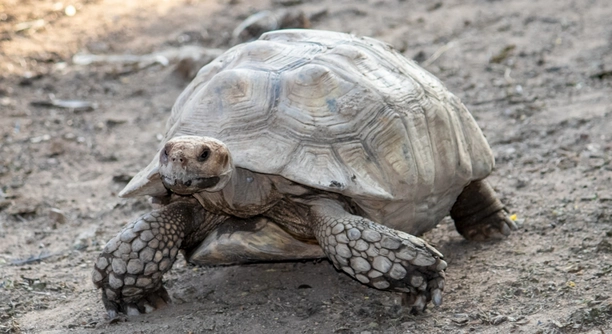
If your sulcata tortoise is ignoring its food, it may be puzzling and concerning. This behavior is not uncommon, and understanding the reasons behind it can help you address it effectively.
Several factors can cause your sulcata tortoise to ignore its food, such as stress, illness, or environmental changes. Temperature fluctuations, improper humidity levels, or even a sudden change in diet can also contribute to a lack of appetite.
Understanding these reasons can help ensure your tortoise’s well-being and improve its eating habits.
Stress and Environmental Changes
Stress is a common reason why your sulcata tortoise may stop eating. Sudden changes in its environment can cause anxiety and make it reluctant to eat. If your tortoise is placed in a new enclosure or introduced to unfamiliar surroundings, it may become stressed. Even minor changes, such as a loud noise or a new pet in the household, can lead to food refusal.
Environmental stress factors like bright lighting or excessive handling should also be considered. Sulcata tortoises, like many reptiles, prefer a quiet, calm space where they feel safe.
Temperature plays a significant role in the health and comfort of your tortoise. A sudden drop or increase in temperature can cause it to lose its appetite. Tortoises thrive in a warm, consistent environment, so maintaining the right temperatures in their enclosure is crucial. If your tortoise feels uncomfortable, it may not be interested in eating.
Illness or Injury
If your sulcata tortoise is ignoring its food despite a stable environment, illness or injury may be the cause. Tortoises can become sick due to infections, parasites, or even a poor diet. Changes in eating habits are often the first signs of an underlying health problem.
If your tortoise shows signs of lethargy, excessive hiding, or abnormal behavior, it could be dealing with an illness. It’s important to observe for any signs of respiratory issues, swollen eyes, or limping. These symptoms require immediate attention from a veterinarian.
An injury can also prevent your tortoise from eating. Pain caused by a broken shell, internal injury, or other trauma may reduce its interest in food. Injuries can be difficult to detect, especially if they are internal. A vet can properly assess the situation and recommend the best treatment to help your tortoise recover.
Improper Diet
An improper diet can lead to your sulcata tortoise ignoring its food. If the food is not suited to their needs or is presented in an unappealing way, your tortoise may simply refuse to eat.
Offering the wrong balance of greens and vegetables can affect its appetite. Sulcata tortoises require a diet rich in fiber, including grasses, hay, and some leafy greens. Foods high in sugars or low in fiber are not ideal for them and may cause digestive issues.
Additionally, some tortoises are picky about the texture or type of food. If they are used to a specific kind of plant or food texture, changes may make them hesitant. Experimenting with different food types or textures could help regain their interest.
Inadequate Hydration
Hydration is essential for your sulcata tortoise’s well-being. Dehydration can cause loss of appetite, lethargy, and other health issues. Tortoises need fresh water available at all times to stay hydrated and maintain normal feeding behavior.
A lack of proper humidity in their environment can also contribute to dehydration. Make sure their habitat is not too dry. If your tortoise does not drink water regularly, you can try soaking it in shallow water for about 15 to 30 minutes. This process can encourage drinking and help maintain hydration levels.
Monitor the water quality and ensure it is always clean and free from any harmful chemicals.
Overfeeding
Overfeeding your sulcata tortoise can cause it to lose interest in food. When a tortoise is given too much food at once, it may feel overwhelmed and refuse to eat.
To prevent this, offer smaller portions regularly. The goal is to mimic their natural foraging behavior. Provide enough food for the tortoise to graze on throughout the day, rather than overwhelming it with large meals.
Seasonal Changes
Sulcata tortoises may eat less during colder months. As they are sensitive to temperature, lower temperatures can slow their metabolism and reduce their appetite.
Ensure their habitat stays warm enough to encourage feeding. If temperatures are too low, they may go into a form of hibernation or brumation, where they eat less.
FAQ
Why is my sulcata tortoise not eating its food?
There are several reasons why your sulcata tortoise might be ignoring its food. Stress, environmental changes, illness, improper diet, or inadequate hydration can all affect its appetite. If the environment is not ideal or if your tortoise is not feeling well, it may not eat.
How can I encourage my sulcata tortoise to eat?
To encourage your tortoise to eat, ensure that its environment is comfortable and stable. Make sure it has access to fresh, clean water and a proper diet. If the temperature or humidity is not correct, adjust it to suit your tortoise’s needs. Offering a variety of fresh greens and grasses may also spark its interest in food.
Can sulcata tortoises eat fruit?
While sulcata tortoises can occasionally eat fruit, it should not be a regular part of their diet. Fruits are high in sugar and can upset their digestive system. It’s best to focus on providing fibrous plants like grasses and leaves, which make up most of their natural diet.
Should I be worried if my sulcata tortoise stops eating for a few days?
If your sulcata tortoise stops eating for a few days but seems otherwise healthy, it may not be a cause for concern. However, if it continues to refuse food for longer periods, appears lethargic, or shows other signs of illness, it’s best to consult with a veterinarian.
How often should I feed my sulcata tortoise?
Sulcata tortoises generally need to eat every day, especially if they are young and growing. As they age, they can be fed less frequently, about every other day. Provide enough food for grazing, as this mimics their natural behavior. Adjust the portions based on their activity level.
What is the best temperature for a sulcata tortoise’s habitat?
Sulcata tortoises require a warm environment. The basking area should be around 95 to 100°F (35 to 38°C), and the cooler side of their enclosure should be around 75 to 85°F (24 to 29°C). A temperature drop below 70°F (21°C) can slow their metabolism and cause a decrease in appetite.
Can sulcata tortoises eat lettuce?
Lettuce can be fed to sulcata tortoises, but it should only be an occasional treat. Avoid iceberg lettuce, as it offers little nutritional value. Instead, opt for darker leafy greens such as romaine or red leaf lettuce, which provide more nutrients and are better suited to their dietary needs.
How do I know if my sulcata tortoise is sick?
Signs of illness in a sulcata tortoise include lethargy, a lack of appetite, nasal discharge, swollen eyes, and difficulty breathing. You may also notice abnormal behavior, such as excessive hiding or changes in its shell. If you notice any of these symptoms, consult a veterinarian immediately.
Can I feed my sulcata tortoise a commercial diet?
Commercial diets can be used as a supplement but should not be the primary source of food. It’s important to provide your sulcata tortoise with a variety of natural foods, such as grasses, hay, and leafy greens, to ensure it gets the necessary nutrients for a healthy life.
Why is my sulcata tortoise eating less in the winter?
Sulcata tortoises are cold-blooded, so as temperatures drop, their metabolism slows down. During colder months, they may eat less or stop eating altogether. This is a natural response to the colder weather. Ensure that their enclosure remains warm to encourage eating.
Final Thoughts
When a sulcata tortoise stops eating, it can be concerning. There are various reasons why this might happen, from environmental factors like temperature or humidity to health-related issues. Understanding these reasons can help you address the problem effectively. Ensuring that your tortoise has a comfortable habitat, the right food, and adequate hydration is essential to maintaining its well-being. If the issue persists, it may be necessary to consult a veterinarian to rule out illness or other underlying problems.
The key to keeping your sulcata tortoise healthy and happy is consistency. Providing a stable environment with the correct temperature, lighting, and humidity is crucial. A balanced diet made up of fiber-rich grasses and leafy greens should form the foundation of their meals. Additionally, offering fresh water at all times and monitoring their overall behavior can help you spot any issues early. Sulcata tortoises are resilient creatures, but they require attention to thrive.
If your tortoise is not eating, it’s important to remain patient. Sometimes they may go off food for short periods, especially during seasonal changes or when adjusting to a new environment. As long as they are not showing signs of illness, there is no immediate need to panic. Pay attention to their behavior and make any necessary adjustments. By keeping their habitat stable and providing the right care, you can help ensure your sulcata tortoise returns to its normal feeding routine.

Hello,
If you enjoy the content that we create, please consider saying a "Thank You!" by leaving a tip.
Every little bit helps us continue crafting quality advice that supports the health, happiness, and well-being of pets around the world, for pets of all shapes, sizes, and species.
We really appreciate the kindness and support that you show us!