
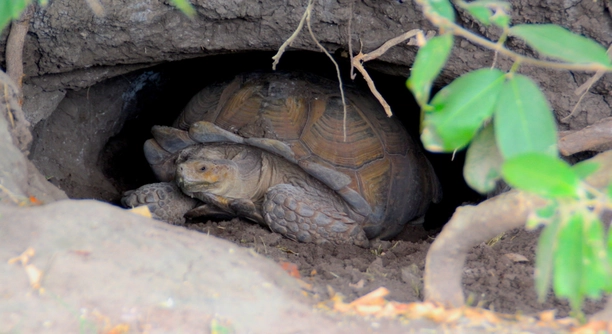
Are you struggling to keep your sulcata tortoise properly hydrated? These desert-dwelling reptiles need consistent moisture to stay healthy, and ensuring they get enough water is essential for their well-being and longevity.
The best way to keep your sulcata tortoise hydrated is by providing fresh water daily, offering hydrating foods, and maintaining proper humidity levels. These factors help prevent dehydration, kidney issues, and shell problems, ensuring your tortoise stays active and healthy.
There is more to hydration than just a water dish. Small adjustments in their environment and diet can significantly impact their overall health and hydration levels.
Provide Fresh Water Daily
Keeping a shallow dish of fresh water available at all times is essential. Sulcata tortoises may not always drink directly, but they will soak and absorb moisture through their skin. The dish should be large enough for soaking but shallow enough to prevent drowning. Change the water daily to keep it clean and free of debris. Dirty water can introduce bacteria, which may cause infections. Placing the dish in a shaded area prevents excessive evaporation and keeps the water cool. During hot weather, checking the water level more often ensures your tortoise stays properly hydrated.
Even if your tortoise does not seem to drink, fresh water should always be accessible. They may take small sips throughout the day without you noticing.
A clean and reliable water source helps maintain proper hydration levels, preventing common issues like dry skin, lethargy, and kidney complications. Keeping the dish full ensures they always have an option to drink or soak when needed.
Offer Hydrating Foods
Leafy greens such as collard greens, dandelion greens, and escarole contain high water content, helping to keep your tortoise hydrated. These should make up a significant portion of their diet.
Adding vegetables like cucumbers, zucchini, and bell peppers provides extra moisture. Avoid feeding fruits often, as the sugar content can disrupt digestion. Offering freshly washed greens and vegetables ensures your tortoise benefits from both nutrients and hydration. Soaking greens in water before serving adds additional moisture. This small step can be helpful, especially during warmer months.
Hydration through food is an easy way to support their health. Tortoises naturally absorb water from their diet, making it a practical method for keeping them properly hydrated. A mix of leafy greens and hydrating vegetables is the best way to provide moisture without relying solely on drinking water. Ensuring a varied and water-rich diet keeps them active and prevents dehydration-related issues.
Maintain Proper Humidity Levels
A humidity level between 40% and 60% helps prevent dehydration. If the air is too dry, your tortoise may develop flaky skin and struggle to retain moisture. Use a hygrometer to monitor humidity and adjust as needed.
Providing a humid hide with damp sphagnum moss or moist soil gives your tortoise a place to regulate moisture levels. Misting their enclosure lightly in the morning helps maintain humidity, but avoid overdoing it, as too much moisture can cause respiratory issues. If you keep your tortoise outdoors, adding shaded areas and damp soil patches helps create a more balanced environment.
Sulcata tortoises originate from dry regions, but they still need moderate humidity to stay healthy. Low humidity can lead to dehydration and shell problems over time. Regularly checking humidity levels and offering a humid retreat ensures your tortoise remains comfortable and properly hydrated.
Soak Your Tortoise Regularly
Soaking your sulcata tortoise in shallow, lukewarm water for 15 to 30 minutes a few times a week helps them absorb moisture. This is especially important for younger tortoises, as they dehydrate more easily than adults.
A proper soak keeps their skin hydrated and supports healthy digestion. If your tortoise seems sluggish or has dry, flaky skin, increasing soak frequency may help. Ensure the water is shallow enough for them to stand comfortably with their head above the surface. Regular soaks also encourage natural behaviors, like drinking while soaking, which some tortoises prefer over drinking from a water dish.
While they can survive in dry conditions, soaking provides hydration beyond what they get from food and drinking. This simple habit helps prevent dehydration and supports overall health, making it an easy way to keep your tortoise comfortable and thriving.
Avoid Overheating
Excessive heat can quickly lead to dehydration in sulcata tortoises. If the temperature in their enclosure is too high, they may lose moisture faster than they can replenish it. Keep the temperature in a comfortable range between 75°F to 95°F.
Providing shaded areas in their habitat ensures they have a cool space to retreat to. This is especially important during the warmer months when they may need extra relief from the sun. Using a temperature-controlled heat source, like a basking lamp, helps maintain a consistent environment.
The right balance of heat ensures your tortoise can stay active without becoming overheated or dehydrated. Ensuring your tortoise has proper temperature regulation is crucial for their hydration and overall well-being.
Use a Substrate That Retains Moisture
Choosing a substrate that holds moisture, such as coconut coir or dampened cypress mulch, helps maintain humidity levels. It also prevents your tortoise from becoming too dry.
A substrate that absorbs water also supports hydration by keeping the enclosure’s environment stable. It’s important to maintain cleanliness by removing waste regularly to prevent bacteria from building up.
Keeping the enclosure clean while using a moisture-retaining substrate helps prevent dehydration. This simple choice improves both the hydration and the comfort of your tortoise.
Offer a Variety of Foods
Incorporating different types of hydrating plants into your tortoise’s diet keeps things interesting and provides additional moisture. Consider adding edible flowers, prickly pear cactus pads, or even grasses that can help boost hydration.
Variety ensures they receive a range of nutrients while benefiting from foods that naturally contain moisture. The more diverse the diet, the more ways your tortoise will stay hydrated. A mix of leafy greens and hydrating plants helps support their hydration and overall health.
FAQ
How can I tell if my sulcata tortoise is dehydrated?
Signs of dehydration in a sulcata tortoise include dry, flaky skin, lethargy, and sunken eyes. You may also notice a loss of appetite and more noticeable wrinkles or skin folds. If you gently press on their skin and it doesn’t bounce back quickly, this is another indication of dehydration. Regularly checking for these signs can help prevent health issues from getting worse. If dehydration is suspected, it’s essential to increase their water intake and soaking routine right away.
How often should I soak my sulcata tortoise?
It’s best to soak your tortoise about two to three times a week, especially during the warmer months. Younger tortoises, in particular, need more frequent soaking because they dehydrate faster than adults. Soaking for 15 to 30 minutes helps them hydrate through their skin, which can prevent dehydration. Keep the water temperature around 80°F to 85°F to avoid causing stress to your tortoise.
Can I give my tortoise water in a bowl or should I soak it?
Both methods can help your tortoise stay hydrated. A shallow water dish should always be available for them to drink and soak in. However, soaking them in lukewarm water a few times a week encourages direct absorption of moisture through the skin. Having both options is beneficial, but soaking should still be a regular part of their care routine.
What temperature should I keep my sulcata tortoise’s habitat at?
The temperature should range between 75°F to 95°F, with a basking spot that’s slightly warmer (around 100°F to 110°F). Proper temperature regulation is key to ensuring hydration as it prevents overheating, which can lead to dehydration. Using a thermometer to monitor their environment is an easy way to ensure they remain in a healthy temperature range.
How do I know if I’m feeding my tortoise enough hydrating foods?
Leafy greens, vegetables like cucumbers and zucchini, and certain fruits all contain high water content, helping with hydration. If your tortoise is eating a variety of hydrating foods and regularly soaking, they should be getting the moisture they need. Monitor their behavior—if they seem lethargic or have dry skin despite this, it might be a sign they need more hydration from other sources.
Can I use a humidifier in my tortoise’s enclosure?
Yes, using a humidifier can help maintain the right humidity levels in their habitat. This is especially useful if you live in a dry climate. A humidity level of 40% to 60% is ideal. A humidifier, when set properly, helps keep the environment comfortable and prevents dehydration. However, it’s important to regularly monitor the humidity with a hygrometer and adjust the settings as needed to avoid excessive moisture, which could lead to other health problems.
Should I feed my tortoise fruits to keep it hydrated?
While fruits are hydrating, they should be offered sparingly. Fruits like watermelon and cantaloupe are high in water content, but they also contain a lot of sugar. This can lead to digestive issues and imbalance in their diet. Stick to offering fruits occasionally and focus more on water-rich vegetables and greens for hydration.
How can I help my tortoise stay hydrated during the hot months?
During hotter months, ensure your tortoise has access to plenty of fresh water and shaded areas to cool off. Increase the frequency of soaking and misting their enclosure to keep humidity levels stable. Hydrating foods, like cucumber and leafy greens, should make up a significant part of their diet, and offering these in cool, fresh portions can help.
What if my tortoise refuses to drink water?
If your tortoise is not drinking water from a dish, it might prefer soaking instead. Soaking allows them to absorb moisture through their skin, and many tortoises naturally drink during this process. If they consistently refuse water, try offering a different type of dish or experiment with adding a few drops of water to their food. Make sure the water is fresh and at the right temperature, as this can encourage drinking.
Can I offer my tortoise water with electrolytes?
It’s not typically necessary to offer electrolytes unless your tortoise is severely dehydrated. Most sulcata tortoises will do well with clean, fresh water and a balanced diet. If your tortoise is recovering from dehydration, you may want to consult with a vet about using electrolytes or a rehydration solution. In general, it’s best to stick to natural water sources.
Final Thoughts
Keeping your sulcata tortoise hydrated is essential for their overall health and well-being. These tortoises are native to dry, arid regions, but they still require consistent moisture to thrive. Ensuring that they have access to fresh water daily, hydrating foods, and a humid environment helps to prevent dehydration, which can lead to serious health problems. Regular soaking, proper humidity levels, and a well-maintained habitat are all important factors in keeping your tortoise properly hydrated.
The combination of water dishes, soaked food, and periodic soaking sessions creates a well-rounded approach to hydration. A water dish should always be available, but soaking provides extra benefits, allowing your tortoise to absorb moisture directly through their skin. Offering hydrating vegetables like cucumbers and leafy greens adds moisture to their diet and provides essential nutrients. The more consistent and varied the hydration sources, the better it will be for your tortoise’s long-term health.
In the end, keeping your sulcata tortoise hydrated isn’t complicated, but it does require attention to detail. Regularly check your tortoise for signs of dehydration and adjust their care routine accordingly. Keeping the right temperature, humidity, and providing a variety of hydrating foods can all contribute to their health and comfort. By staying attentive to these factors, you can ensure your tortoise leads a healthy, happy life.

Hello,
If you enjoy the content that we create, please consider saying a "Thank You!" by leaving a tip.
Every little bit helps us continue crafting quality advice that supports the health, happiness, and well-being of pets around the world, for pets of all shapes, sizes, and species.
We really appreciate the kindness and support that you show us!