
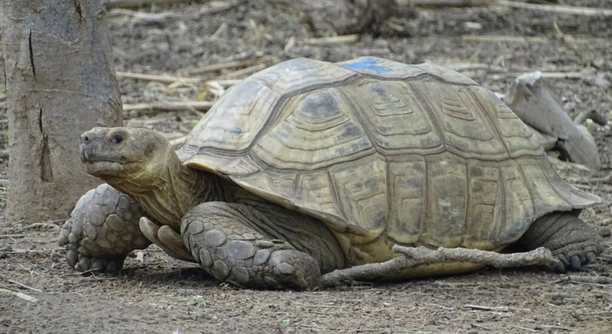
Many tortoise owners notice their Sulcata staring at them for long periods. It’s a behavior that might seem strange, but it’s more common than you think. Understanding this can help you care for your pet better.
Sulcata tortoises often stare at their owners as a sign of curiosity, recognition, or seeking attention. They may associate their human with food, warmth, or companionship, and this behavior reflects their natural inclination to observe their surroundings.
Understanding your tortoise’s behavior will allow you to meet its needs more effectively. Learning the reasons behind this staring can improve your relationship with your pet.
Understanding Your Sulcata’s Behavior
Sulcata tortoises are known for their calm demeanor, but they can also be curious creatures. They often stare at their owners, seemingly locked in intense observation. This may feel unnerving, but it’s simply their way of interacting with their environment. Tortoises are not fast movers and tend to take their time when observing things, including you. Staring at you might be a sign that they’re processing information, trying to make sense of what’s happening around them. They may also do this if they feel secure in their surroundings or when they’ve learned to recognize you as part of their environment.
When your Sulcata stares, it’s likely that they’re trying to gather details. Tortoises use their keen senses, including sight, to understand and navigate the world. They pay attention to movements and sounds, including your presence. It’s their way of feeling connected to what’s happening in their space.
You might notice your Sulcata staring at you more often during feeding times. This is because they have learned to associate you with food, warmth, or other positive experiences. They may be waiting for their next meal, hoping you’ll provide it soon. In the wild, tortoises spend much of their time foraging and looking for food, so they’re always on the lookout for possible meals. By observing your routine, they start connecting your presence to these important moments in their daily life.
Signs of Affection and Trust
It’s not just curiosity at play when your Sulcata stares at you. Over time, they can start to bond with their owners. Sulcatas can be surprisingly affectionate once they become familiar with you.
The staring can be a form of communication, a silent gesture that shows they’re comfortable around you. It signals trust, as they feel safe in their environment with you. Sulcata tortoises aren’t the most outwardly affectionate creatures, but they can express attachment in subtle ways, like watching you when you move about the room. This behavior becomes more noticeable when they begin to recognize you as their caretaker and understand you’re part of their daily routine.
In some cases, they may even follow you around if they’re particularly curious. This shows that they’ve formed a connection with you and see you as a reliable presence in their life. Unlike other pets, tortoises don’t rely heavily on physical affection, but the staring can be a form of endearment for them. It’s their way of saying, “I trust you” without any words.
Environmental Factors Can Influence Behavior
Sometimes, your Sulcata may stare because they’re reacting to their environment. Changes in temperature, lighting, or even noise can make them more attentive to their surroundings. They’re creatures of habit, and any shift in their environment might cause them to take a moment and carefully observe what’s going on. If you’ve recently moved furniture around or changed their habitat setup, they might need a few days to adjust to the new layout.
For Sulcatas, their space is essential to their well-being. They rely on a comfortable, familiar environment to feel at ease. Staring at new changes or adjustments in their surroundings is part of their natural response. It’s how they assess any potential threats or shifts in their space. If they’re staring more often, it could be their way of trying to understand what’s different or figuring out how to navigate the change.
Additionally, tortoises are sensitive to light and temperature. If their basking area is too hot or too cold, they may stare in an attempt to get more comfortable. Keeping their habitat stable and consistent is key to reducing unnecessary stress or confusion. Understanding these factors will help you ensure that your Sulcata stays healthy and happy.
Possible Health Concerns
Sometimes, staring could be a sign that your Sulcata tortoise isn’t feeling well. It’s important to observe whether the staring is accompanied by other signs of discomfort, like lethargy or a lack of appetite. If this happens, it might be time to check their health.
Illness in tortoises can be difficult to spot, but changes in behavior like staring for long periods can be a warning. If your Sulcata is not moving or reacting like usual, it may be suffering from something more serious, such as respiratory issues or shell infections. These health concerns can affect their energy levels, causing them to stare at their surroundings more than normal. Keep an eye out for signs of physical distress or changes in their usual habits.
A visit to the vet might be necessary if the staring is accompanied by other unusual behaviors. Sudden changes in activity level or interest in food can also signal that something is wrong. Make sure to give your Sulcata a thorough checkup if you notice any of these signs. Prompt attention to health problems will help ensure your tortoise stays happy and healthy.
Socialization and Bonding
Though Sulcata tortoises are not typically known for their social nature, they can form bonds with their owners. If your tortoise stares at you often, it may be a sign of growing affection. Over time, as they become familiar with you, they may seek out your company.
While they don’t seek out physical contact like other pets, they are capable of forming a bond with their caretaker. This connection often forms through consistency and routine. Your Sulcata will learn to associate you with care and safety. Staring can simply be their way of checking in with you or observing your actions as they feel more comfortable in your presence.
Some owners find that their Sulcata will begin to follow them around or watch their movements closely. This is a clear sign that they’re recognizing you as part of their world. Although it’s not as overt as the behavior of more affectionate pets, it’s a sign of trust and familiarity. They’ll feel secure knowing you’re nearby. The staring may be a subtle way of communicating their comfort and attachment to you.
Reaction to New Surroundings
Sulcata tortoises are creatures of habit and may stare when placed in a new environment. The unfamiliarity can make them feel uneasy, and they tend to spend more time observing their surroundings. Staring helps them understand their new space.
If you’ve recently moved your Sulcata or changed its habitat, the staring might be a sign that they’re trying to adjust. Tortoises have a strong territorial instinct, so even a small change can cause them to become more alert. They’ll watch the new space carefully to determine whether it’s safe or if they need to adjust their behavior.
Sometimes, this behavior can persist for a while as they get used to their surroundings. The staring isn’t a negative behavior, but rather a sign of caution and observation as they figure out where they are.
Hunger or Food Recognition
Staring might also be tied to your Sulcata’s hunger. Tortoises quickly learn to associate their owners with feeding times. When they look at you, they could be anticipating food or trying to tell you they’re hungry.
Tortoises have good memory and can make connections between your presence and feeding. If you often feed them at specific times or in a specific spot, they may start staring at you when it’s getting close to mealtime. This behavior shows that they’re associating you with the comfort of food, and they’ll watch you closely to see if you’re about to offer them a meal.
Observation of Movement
Sulcata tortoises are naturally curious and will often stare to observe movement around them. Whether it’s your movement or something else in their environment, they’re using their sharp vision to stay aware of potential changes.
Their focus on movement helps them navigate their surroundings, stay alert to possible threats, and react accordingly. If you notice your Sulcata staring at you as you walk around, it could be their way of tracking your actions. They’re not being aggressive or impatient, just keeping an eye on what’s happening.
FAQ
Why does my Sulcata tortoise stare at me all the time?
Your Sulcata tortoise likely stares at you because it has become curious or has formed a connection with you. Tortoises are naturally observant, and your presence might make them feel comfortable or secure. They may be learning to recognize you, waiting for food, or simply monitoring their surroundings. It’s a common behavior that can signal trust, curiosity, or even hunger. Keep an eye on any accompanying behavior to better understand what they’re trying to communicate.
Is it normal for my Sulcata tortoise to stare for long periods?
Yes, it’s normal for Sulcata tortoises to stare for long periods. Tortoises don’t rush through their actions and are often content to stay still while observing their surroundings. This can be part of their natural behavior as they assess their environment or look for food. As long as they are otherwise healthy and not showing signs of stress or illness, long staring sessions are usually nothing to worry about.
Can staring be a sign of stress or illness?
In some cases, yes. If your Sulcata tortoise is staring more than usual, it may be a sign of stress, especially if accompanied by other signs of distress such as lack of movement, loss of appetite, or unusual behavior. However, staring by itself is not necessarily a sign of illness. It’s important to monitor your tortoise for other health-related issues like respiratory problems or infections. If you notice any changes, consider taking them to a vet for a checkup.
What should I do if my Sulcata tortoise keeps staring at me?
If your Sulcata tortoise keeps staring at you, pay attention to any other behaviors or changes in their routine. If they’re simply curious or waiting for food, you don’t need to worry. However, if there are other signs such as loss of appetite or lethargy, a visit to the vet might be necessary to rule out any health issues. Make sure your tortoise’s environment is stable and comfortable to avoid causing unnecessary stress.
Can Sulcata tortoises form bonds with their owners?
Yes, Sulcata tortoises can form bonds with their owners, though it’s not as obvious as it would be with other pets like dogs or cats. They may show affection by following you or looking at you for long periods. This behavior is a sign that they recognize you and feel comfortable in your presence. Over time, they can come to trust you, and this bond may be demonstrated through their calm behavior around you.
Does my Sulcata tortoise want attention when it stares at me?
It’s possible. Sulcata tortoises may stare at you if they want attention, especially if they’ve learned to associate your presence with feeding or other positive interactions. However, they may also just be observing you out of curiosity or a sense of comfort. If your tortoise is actively seeking attention, you might notice it following you around or showing interest in your movements. It’s essential to watch for cues that suggest your tortoise is looking for something beyond just being observed.
How can I tell if my Sulcata tortoise is stressed or happy?
To determine if your Sulcata tortoise is stressed or happy, observe its behavior and physical condition. Happy tortoises will be active, eat regularly, and explore their environment. They may interact with you or seem relaxed when you’re nearby. Stress can show through signs like lack of appetite, excessive hiding, changes in movement, or erratic behavior. A stressed tortoise may also stare excessively or seem overly cautious about its surroundings. Ensure that your tortoise’s habitat is consistent, well-lit, and offers enough space to roam.
Why does my Sulcata tortoise follow me around?
If your Sulcata tortoise follows you around, it’s likely because it’s learned to associate you with something positive, like food, warmth, or companionship. Tortoises are creatures of habit and tend to follow familiar patterns. When they recognize you as a provider or a source of comfort, they may follow you in the hopes of more interaction or meals. This behavior can also be a sign of curiosity, as your tortoise learns more about you and its environment.
What does it mean if my Sulcata tortoise stares and then runs away?
If your Sulcata tortoise stares at you and then runs away, it could be due to fear or uncertainty. Tortoises are naturally cautious animals, and sudden movements or unfamiliar situations might cause them to react this way. It’s essential to give your tortoise time to adjust to its environment and to avoid making sudden, threatening movements that might cause them to feel insecure. Over time, your tortoise may feel more comfortable and less likely to run away as it grows familiar with its surroundings.
Is it possible for my Sulcata tortoise to get bored?
Yes, Sulcata tortoises can get bored, especially if their environment lacks variety or mental stimulation. Boredom can lead to unusual behavior, such as excessive staring or pacing. To prevent boredom, make sure your tortoise’s enclosure has plenty of space to explore, basking areas, and places to hide. You can also introduce different types of food or safe objects for your tortoise to investigate. Regular interaction with their environment can help keep them engaged and content.
Final Thoughts
Staring is a common behavior in Sulcata tortoises and, for the most part, is nothing to worry about. It’s simply part of their natural instincts. These tortoises are curious animals, and they often observe their surroundings closely. Whether it’s to monitor their environment, wait for food, or even just out of comfort in your presence, staring can be a sign that they are processing what’s going on around them. Tortoises don’t tend to rush, and their slow movements mean they take time to study everything in their environment.
However, while staring is generally harmless, it’s important to be mindful of any other changes in behavior. If your Sulcata tortoise stares more frequently than usual or if you notice other signs of illness like a decrease in appetite or energy, it might be time to investigate further. In these cases, your tortoise could be feeling stressed, unwell, or uncomfortable in its environment. Ensuring their habitat is stable with the right temperature, humidity, and space can reduce stress and help them feel secure. A visit to the vet can also help rule out any health issues if you’re unsure.
Overall, it’s important to remember that Sulcata tortoises are not very outwardly expressive animals. Their way of communicating is subtle, and staring could simply be a way of bonding, observing, or feeling comfortable. Understanding the context of your tortoise’s behavior and paying attention to its overall well-being will help you better care for them. So, while a tortoise might stare at you for long periods, it’s usually just a part of their nature, a sign of familiarity, and a way of making sense of the world around them.

Hello,
If you enjoy the content that we create, please consider saying a "Thank You!" by leaving a tip.
Every little bit helps us continue crafting quality advice that supports the health, happiness, and well-being of pets around the world, for pets of all shapes, sizes, and species.
We really appreciate the kindness and support that you show us!