
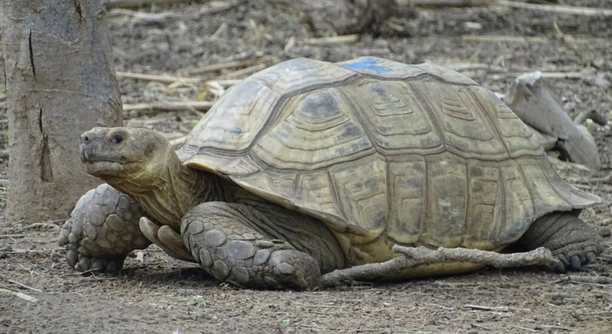
Is your Sulcata tortoise having trouble moving its back legs, leaving you worried about its health and mobility? Observing such behavior can be concerning, especially when you are unsure about the possible causes and what actions to take.
The most common reason your Sulcata tortoise is not using its back legs is metabolic bone disease (MBD). This condition results from calcium deficiency, improper UVB exposure, or poor diet, weakening the bones and muscles, leading to paralysis or difficulty in movement.
Several factors can contribute to this issue, and identifying them is crucial for your tortoise’s well-being. Understanding these causes will help you take the necessary steps to improve your pet’s health and mobility.
Common Causes of Back Leg Weakness in Sulcata Tortoises
Metabolic bone disease (MBD) is the leading reason for back leg weakness in Sulcata tortoises. This condition occurs due to a lack of calcium, insufficient UVB exposure, or an improper diet. Without enough calcium and vitamin D3, their bones become soft, leading to mobility issues. Another common cause is impaction, which happens when a tortoise consumes indigestible materials like sand or gravel, blocking the digestive system and pressing on nerves. Dehydration can also lead to weakness, as tortoises rely on proper hydration for muscle function. Lastly, infections or injuries can affect the spinal cord or nerves, making it difficult for them to use their back legs.
If your tortoise is dragging its back legs or showing signs of weakness, monitor its diet, lighting, and habitat conditions. Identifying the problem early increases the chances of recovery and prevents further complications.
A healthy diet, proper UVB lighting, and regular hydration can significantly reduce the risk of mobility problems. Adjusting these factors can help your tortoise regain strength and prevent future issues.
How to Help Your Sulcata Tortoise Recover
The first step to helping your tortoise is evaluating its diet. Ensure it gets plenty of calcium-rich foods like dandelion greens, collard greens, and calcium supplements. UVB lighting is essential for calcium absorption, so check if your tortoise has access to a high-quality UVB bulb for at least 10–12 hours a day.
If impaction is a concern, increase hydration by soaking your tortoise in warm water daily. This helps stimulate digestion and prevent blockages. Providing proper substrate, such as soil or coconut coir, instead of sand can also reduce the risk of accidental ingestion. Injuries and infections require immediate veterinary attention, so if your tortoise is not improving, seek professional help.
Making these changes can improve your tortoise’s health and mobility. A well-balanced diet, proper lighting, and hydration are essential for keeping your tortoise strong and active.
Preventing Future Mobility Issues
A proper diet is essential for keeping your Sulcata tortoise healthy. Feed a variety of high-fiber, calcium-rich greens like collard greens, turnip greens, and hibiscus leaves. Avoid excessive fruit and protein, as these can lead to long-term health problems, including metabolic bone disease and kidney issues.
Lighting and temperature play a crucial role in preventing mobility problems. Sulcata tortoises need UVB exposure for at least 10–12 hours daily to absorb calcium properly. Without it, their bones and muscles weaken over time. Ensure their basking spot reaches 95–100°F, while the cooler side of the enclosure stays around 75–85°F. Using high-quality UVB bulbs and checking their effectiveness every six months can prevent deficiencies.
Regular exercise helps maintain strong muscles and proper digestion. A spacious enclosure with room to roam encourages natural movement. Obstacles like rocks and logs promote muscle engagement. Avoid hard surfaces that could cause joint strain, and ensure they have a soft substrate for comfortable walking.
When to See a Veterinarian
If your tortoise is dragging its back legs for more than a few days, a vet visit is necessary. Weakness, swelling, or changes in appetite may signal a serious condition. Catching problems early can prevent long-term damage and improve recovery chances.
A veterinarian will perform a physical exam and may take X-rays to check for metabolic bone disease, impaction, or spinal injuries. Blood tests can help detect infections or nutritional deficiencies. If impaction is suspected, a vet may recommend hydration therapy, laxatives, or other treatments. In severe cases, surgery might be necessary to remove blockages.
Veterinary care is essential if your tortoise shows no improvement despite dietary and environmental adjustments. Early intervention increases the chances of recovery and prevents further complications. Keeping up with regular check-ups ensures your tortoise stays strong and mobile for years to come.
Creating the Ideal Habitat
A spacious, well-maintained enclosure helps prevent mobility issues. Sulcata tortoises need plenty of space to roam, as restricted movement can lead to muscle weakness. A minimum enclosure size of 100 square feet is recommended for adults, with access to natural sunlight whenever possible.
The substrate should be safe and comfortable. Avoid sand or gravel, as these can cause impaction if ingested. Instead, use a mixture of topsoil and coconut coir to provide a natural and supportive surface. Keeping humidity levels around 40–50% also helps prevent dehydration and shell issues.
Importance of Regular Check-Ups
Annual vet visits help detect early signs of illness before they become serious. A vet can assess bone health, check for infections, and recommend dietary or environmental changes. Regular weigh-ins can also help monitor growth and detect any sudden weight loss or gain.
Encouraging Natural Behavior
Providing enrichment keeps your tortoise active and engaged. Large rocks, hiding spots, and varied terrain encourage movement. Safe outdoor time in a secure area allows natural grazing and sunlight exposure, benefiting their overall health.
FAQ
Why is my Sulcata tortoise dragging its back legs?
Dragging back legs is often a sign of metabolic bone disease (MBD), impaction, or injury. MBD weakens the bones and muscles due to calcium deficiency and lack of UVB exposure. Impaction occurs when a tortoise eats indigestible materials, causing digestive blockages that press on nerves. Injuries from falls or rough surfaces can also lead to mobility issues.
Can dehydration cause leg weakness in Sulcata tortoises?
Yes, dehydration can lead to muscle weakness and sluggish movement. Tortoises need consistent access to fresh water and regular soakings to stay hydrated. Without enough moisture, their muscles may not function properly, leading to mobility problems. Dry environments without proper humidity can also contribute to dehydration, affecting their overall health.
How can I tell if my tortoise has metabolic bone disease?
Signs of MBD include soft or misshapen shells, difficulty walking, swollen limbs, and a lack of appetite. In severe cases, the tortoise may struggle to lift itself or move its legs. A vet can confirm MBD through X-rays and blood tests, which help assess calcium levels and bone density.
What should I do if my tortoise stops using its back legs suddenly?
Check its diet, UVB lighting, and hydration levels first. Ensure it is getting enough calcium and proper lighting for at least 10–12 hours daily. If there’s no improvement, seek veterinary help immediately. Sudden paralysis can indicate nerve damage, impaction, or a serious underlying health issue.
Can impaction be treated at home?
Mild cases can sometimes be resolved with daily warm water soaks and increased fiber intake. Offer foods like pumpkin or cactus pads to promote digestion. However, if the tortoise isn’t passing waste, shows signs of distress, or refuses to eat, a vet visit is necessary for further treatment.
How do I prevent my Sulcata tortoise from developing leg issues?
Provide a balanced diet rich in calcium, offer proper UVB lighting, and ensure adequate hydration. A spacious enclosure with soft, natural substrate helps prevent injuries and promotes muscle strength. Regular check-ups with a reptile vet also help detect potential problems early.
Can a tortoise recover from mobility issues?
Yes, recovery depends on the cause and how quickly treatment begins. Mild cases of MBD can improve with dietary and lighting corrections, while impaction may resolve with hydration and veterinary care. However, severe spinal injuries or advanced MBD may result in permanent damage.
How often should I soak my Sulcata tortoise?
Hatchlings and juveniles should be soaked daily, while adults can be soaked 2–3 times a week. Soaking helps with hydration, digestion, and overall health. If your tortoise is showing signs of dehydration or impaction, increasing soak frequency may be beneficial.
What kind of UVB light is best for a Sulcata tortoise?
A high-output 10.0 or 12.0 UVB bulb is ideal. Mercury vapor bulbs provide both heat and UVB, making them a great option for larger enclosures. Replace bulbs every six months to ensure your tortoise gets adequate UVB exposure for proper calcium absorption.
Should I be worried if my tortoise moves less in colder months?
Sulcata tortoises may become less active in cooler temperatures, but they should never stop moving completely. Ensure their enclosure stays warm, with a basking spot of 95–100°F. If they become unresponsive or stop eating, check for underlying health issues or improper heating.
Can an improper diet cause paralysis in tortoises?
Yes, a diet lacking calcium and vitamin D3 can lead to MBD, which affects nerve and muscle function. Feeding too much protein can also cause kidney issues, leading to weakness. A proper diet with high-fiber greens, calcium supplements, and proper UVB exposure is essential for preventing paralysis.
When should I take my tortoise to the vet?
If your tortoise is unable to move its back legs, has swelling, stops eating, or shows signs of pain, a vet visit is necessary. Delaying treatment can worsen conditions like MBD or impaction, leading to irreversible damage. Regular vet check-ups help prevent serious health problems.
Final Thoughts
Keeping a Sulcata tortoise healthy requires careful attention to its diet, lighting, hydration, and habitat. Mobility issues, especially involving the back legs, often result from metabolic bone disease, impaction, dehydration, or injuries. Providing a high-fiber, calcium-rich diet and ensuring proper UVB exposure helps maintain strong bones and muscles. Regular soakings and a safe, spacious environment also prevent many health problems. If a tortoise struggles to use its back legs, assessing these factors is the first step in finding a solution. Early intervention increases the chances of recovery and prevents further complications.
Monitoring your tortoise’s behavior and activity level is essential for catching potential problems early. If it starts dragging its legs, moving less, or losing its appetite, these could be signs of an underlying issue. Simple adjustments, like improving UVB lighting or increasing hydration, can sometimes resolve minor concerns. However, if symptoms persist, seeking veterinary care is important. A reptile vet can diagnose conditions such as metabolic bone disease, impaction, or infections that require professional treatment. Routine check-ups also help ensure your tortoise stays in good health.
Owning a Sulcata tortoise comes with the responsibility of meeting its specific needs. These tortoises live long lives and grow to a large size, requiring proper care throughout their lifespan. Creating a well-balanced environment with the right diet, lighting, and space helps prevent mobility problems and keeps them active. Understanding the common causes of leg weakness and how to address them ensures a healthier, happier life for your tortoise. Taking the right precautions now can prevent serious issues in the future, allowing your tortoise to thrive for many years.

Hello,
If you enjoy the content that we create, please consider saying a "Thank You!" by leaving a tip.
Every little bit helps us continue crafting quality advice that supports the health, happiness, and well-being of pets around the world, for pets of all shapes, sizes, and species.
We really appreciate the kindness and support that you show us!