
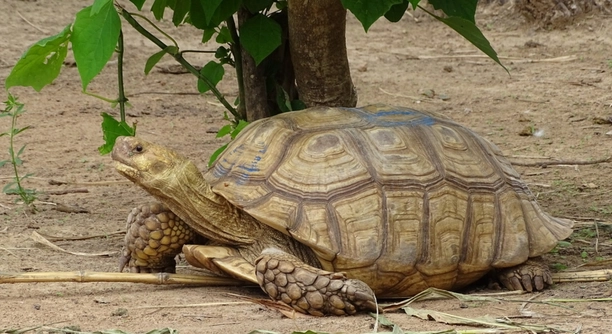
It can be concerning when your sulcata tortoise isn’t using its hideout, especially when you’ve provided one for comfort and security. Understanding why this behavior occurs can help improve your tortoise’s environment and overall well-being.
The main reason your sulcata tortoise is not using its hideout may be due to improper environmental conditions. Tortoises prefer warm, dry spaces, and if their hideout is too damp, dark, or cold, they might avoid it.
There are a variety of factors to consider when your tortoise avoids its hideout. Addressing these will help create a more inviting space for your pet.
Environmental Conditions
If your sulcata tortoise is avoiding its hideout, the first thing to check is the environment around it. Tortoises are very sensitive to temperature and humidity, so a hideout that feels uncomfortable could lead them to seek shelter elsewhere. The area needs to be warm, but not too hot, and dry. A temperature range between 80°F and 90°F (27°C to 32°C) is ideal for these tortoises. Also, humidity should be kept low—around 50%. If the hideout is too damp, it can make your tortoise feel unsafe or even cause health problems. Ensure that the hideout is placed in a location that provides a comfortable atmosphere for your tortoise to relax.
Checking the substrate in the hideout is also important. A wet or too soft material can make your tortoise uncomfortable. Try using dry bedding, like aspen or coconut husk, which helps maintain the correct humidity and temperature.
Make sure your tortoise’s hideout is dry, warm, and has proper ventilation. If the conditions are right, your tortoise may start using it more frequently.
Hideout Size and Layout
Another factor to consider is the size of the hideout. If it’s too small, your tortoise might feel cramped or stressed. The hideout should be large enough for the tortoise to turn around comfortably and stretch out inside. A good rule of thumb is to ensure it’s big enough for the tortoise to lie flat without feeling restricted. If you notice that your tortoise is avoiding its hideout, try making the space larger and more accessible.
The layout of the enclosure can also play a role. Avoid placing the hideout in areas where the tortoise might feel exposed or vulnerable. A spot in a corner, or one where it can feel secure from all sides, is preferable.
Health and Stress Factors
Sometimes, your tortoise might be avoiding its hideout because of health issues or stress. Tortoises can be sensitive to environmental changes or sudden disturbances. If you’ve recently introduced new pets, changed the hideout’s location, or made other significant adjustments, this could cause anxiety. A stressed tortoise may avoid its hideout and spend more time in open areas where it feels less threatened.
On the other hand, if your tortoise is ill or in discomfort, it might also avoid places where it feels too confined. Check for signs of injury, illness, or dehydration that could be causing your tortoise to stay away. Providing a more open, comfortable space might help, but make sure to consult a vet if health issues are suspected. Addressing stress factors, whether physical or environmental, can encourage your tortoise to return to its hideout.
Lighting and Safety
Proper lighting can also influence whether your tortoise feels comfortable in its hideout. Tortoises need both UVB lighting and heat lamps to thrive. If your tortoise’s hideout is not positioned properly under these lights, it might not feel warm or safe enough to spend time there. Placing the hideout in an area with access to UVB rays can help create a more inviting environment.
A hideout in a dark corner might feel secure to some animals, but sulcata tortoises need a balance of light and shadow. Ensure the hideout is positioned in an area where it gets natural light, but also allows your tortoise to retreat to a cool, shaded spot. This balance mimics the natural environment and encourages your tortoise to use the hideout more frequently.
If lighting and safety concerns are addressed, your tortoise will likely feel more comfortable and secure in its hideout.
Hideout Placement
The location of your tortoise’s hideout matters more than you might think. If it’s too close to the heat source or too far from it, your tortoise may avoid using it. Ensure that the hideout is placed in a spot where your tortoise can access warmth but also retreat to a cooler area when needed.
Additionally, avoid placing the hideout in an area where there’s a lot of foot traffic or noise. Tortoises tend to prefer quiet, low-stress areas. Constant movement or loud sounds near their hideout can cause anxiety and discourage them from using it.
Check the overall layout of the enclosure and consider moving the hideout to a less busy corner or a more peaceful area. Finding the perfect spot could help your tortoise feel safe and secure enough to use its hideout.
Tortoise’s Age and Behavior
Young sulcata tortoises are often more curious and active, so they may not use a hideout as much. Instead, they might prefer exploring their environment. Older tortoises, however, tend to spend more time resting and may use their hideout more frequently.
If your tortoise is young, it’s important not to force it into the hideout. Let it explore the space at its own pace. You may also want to adjust your hideout setup to cater to its growth needs. As your tortoise ages, it may gradually begin to use the hideout more.
Consider your tortoise’s age and natural instincts when evaluating its hideout usage. Every tortoise is different, and some may require more time to adapt to using the hideout than others.
Hideout Type and Material
The type of hideout you offer can influence its usage. Tortoises often prefer hideouts made of natural materials like wood or clay, as these materials mimic their natural habitat. A hideout made from plastic or synthetic materials might feel too artificial and uncomfortable for your tortoise.
The texture of the material also matters. Smooth surfaces can make the hideout feel less inviting. Try choosing a hideout with more texture or natural features to give your tortoise a sense of security. A hideout that feels like a natural part of their environment will encourage your tortoise to use it more often.
Using the right materials in your tortoise’s hideout setup is essential to making it feel secure and welcoming for them.
Hideout Cleaning
A dirty hideout can discourage your tortoise from using it. If the hideout is filled with waste or smells bad, your tortoise might avoid it. Regular cleaning is important to ensure that the space remains inviting and comfortable.
Use mild, tortoise-safe cleaning agents to wash the hideout and remove any old bedding. Be sure to dry it thoroughly before placing it back in the enclosure. This can help eliminate any unpleasant odors or bacteria that might be causing your tortoise to stay away.
Keeping the hideout clean and fresh can make it a more appealing retreat for your sulcata tortoise.
Temperature Fluctuations
Sudden temperature changes can affect your tortoise’s behavior and make them avoid their hideout. If the enclosure experiences fluctuations in temperature, it can create discomfort for your tortoise, causing it to seek shelter elsewhere.
Ensure that the temperature remains stable throughout the day and night. You can use a thermostat to monitor the temperature and make adjustments as needed. Sudden changes in temperature can stress your tortoise, making it less likely to feel comfortable in its hideout. Keeping a consistent temperature is key to encouraging your tortoise to use its designated resting space.
Diet and Hydration
Your tortoise’s diet can also play a role in whether it uses its hideout. If your tortoise is overfed or dehydrated, it may be more active or uncomfortable, thus avoiding its hideout. Ensure that your tortoise’s diet consists of the right balance of greens, fiber, and hydration to help keep it healthy.
Check that your tortoise is drinking enough water, as dehydration can affect its energy levels and overall behavior. Providing fresh water and a balanced diet supports both physical health and natural behaviors, helping your tortoise feel secure and relaxed enough to use its hideout more frequently.
FAQ
Why isn’t my tortoise using its hideout?
Your tortoise might avoid its hideout due to environmental issues, such as incorrect temperature, humidity, or placement. If the hideout is too cold, too damp, or too exposed, your tortoise may feel unsafe. It might also be due to a stressful environment or simply the fact that younger tortoises are naturally more active and curious, often preferring to roam.
How can I make my tortoise’s hideout more inviting?
Make sure the hideout is positioned in a warm, dry, and quiet area. Use natural materials like wood or clay that mimic their environment. Keep it clean, ensuring there is no waste or unpleasant odor. The size should be large enough for your tortoise to stretch out comfortably. You can add dry bedding like coconut husk to help maintain the correct humidity.
Should I move my tortoise’s hideout to a different spot?
If your tortoise isn’t using its hideout, consider moving it to a quieter or more private area of the enclosure. Avoid placing it near heat sources, as it might become too hot, or near high-traffic areas, which could cause stress. A peaceful, secure corner is usually the best option.
Can my tortoise’s age affect its use of the hideout?
Yes, younger tortoises are often more active and curious, so they may spend less time in their hideout. As they age, they become more likely to use their hideout as a resting space. However, even older tortoises might prefer roaming around during the day. It’s important to be patient and give your tortoise time to adapt.
How often should I clean the hideout?
Cleaning the hideout regularly is essential to maintaining a healthy environment. Ideally, you should clean it once a week, removing old bedding and waste. However, if your tortoise spends a lot of time in it, cleaning more frequently may be necessary. Always ensure the hideout is dry and free from bacteria before placing it back in the enclosure.
Is it okay to use a plastic hideout for my tortoise?
While plastic hideouts are easy to clean, they may not provide the natural environment that your tortoise prefers. Tortoises often feel more secure in hideouts made of natural materials like wood, clay, or stone. These materials better mimic their natural habitat and provide more texture, making them more likely to use the hideout.
Does the temperature of the hideout matter?
Yes, the temperature is critical. A sulcata tortoise’s hideout should be in a part of the enclosure that allows it to regulate its body temperature. The ideal temperature range for sulcata tortoises is between 80°F and 90°F (27°C to 32°C). If the hideout is too hot or cold, your tortoise may avoid it altogether.
Why does my tortoise avoid its hideout at night?
If your tortoise avoids its hideout at night, it might be due to the lighting and temperature setup. Tortoises are diurnal, meaning they are most active during the day. At night, they may prefer sleeping in an open area if the hideout feels too dark or damp. Check the night-time temperature and light levels to ensure they’re suitable for your tortoise.
Should I provide more than one hideout?
Providing more than one hideout can be beneficial, especially in larger enclosures. Having multiple hideouts in different areas gives your tortoise options depending on where it feels safest. Some tortoises prefer variety, while others might be content with a single hideout. Pay attention to your tortoise’s preferences and adjust accordingly.
Can stress cause my tortoise to stop using its hideout?
Yes, stress is a major factor in why tortoises avoid their hideout. Environmental stressors like loud noises, new pets, or changes in the enclosure can make your tortoise feel unsafe, causing it to stay out of its hideout. Monitor the surroundings for any potential stress triggers and try to create a calm, peaceful environment.
What materials should I avoid when setting up a hideout?
Avoid using materials that can retain moisture, like untreated wood, as they can lead to mold or fungus. Avoid sharp objects or materials that might hurt your tortoise, such as metal with rough edges. Keep away from anything that could be toxic or difficult to clean, like plastic with chemical finishes.
Does my tortoise need UVB light in its hideout?
While your tortoise needs access to UVB light for proper health, it doesn’t necessarily need it in the hideout. The hideout should provide a retreat from UVB light when your tortoise needs to cool down or sleep. However, ensure that the rest of the enclosure has sufficient exposure to UVB lighting for overall health.
What if my tortoise spends most of its time out of the hideout?
If your tortoise is spending too much time out of its hideout, it might be due to temperature, light, or humidity issues. Ensure that the enclosure mimics its natural habitat as closely as possible, with access to proper heat, light, and moisture levels. Your tortoise might also be exploring its surroundings, which is normal behavior. However, ensure that the hideout is available when your tortoise needs it.
Final Thoughts
Understanding why your sulcata tortoise is not using its hideout can be a bit tricky, but it’s usually related to factors like temperature, humidity, or the overall setup of the enclosure. Tortoises are creatures of habit, and if their environment doesn’t feel comfortable or safe, they will avoid certain areas, including their hideout. Ensuring the hideout is in the right spot, with proper heat, lighting, and humidity, is the first step toward creating a space your tortoise will want to use. When the environment feels right, your tortoise is more likely to seek out its hideout for rest and security.
Besides environmental factors, the size and material of the hideout play an important role in your tortoise’s comfort. Tortoises need space to move around and stretch out, so it’s essential that their hideout isn’t too cramped. Materials that mimic their natural habitat, like wood, clay, or stone, tend to be more appealing than plastic or synthetic options. Natural materials also provide better temperature regulation, making them more suitable for your tortoise’s needs. If you notice your tortoise avoiding the hideout, consider adjusting the hideout’s size or material to make it more inviting.
Lastly, it’s important to keep an eye on your tortoise’s behavior and overall health. Stress, illness, or discomfort could cause your tortoise to avoid its hideout. Stress can arise from changes in the environment, loud noises, or new pets, so maintaining a calm, quiet space is key. Regularly checking the health of your tortoise and making adjustments to the setup as needed can help encourage better use of the hideout. With the right care and environment, your sulcata tortoise should feel comfortable and secure enough to use its hideout regularly.

Hello,
If you enjoy the content that we create, please consider saying a "Thank You!" by leaving a tip.
Every little bit helps us continue crafting quality advice that supports the health, happiness, and well-being of pets around the world, for pets of all shapes, sizes, and species.
We really appreciate the kindness and support that you show us!