
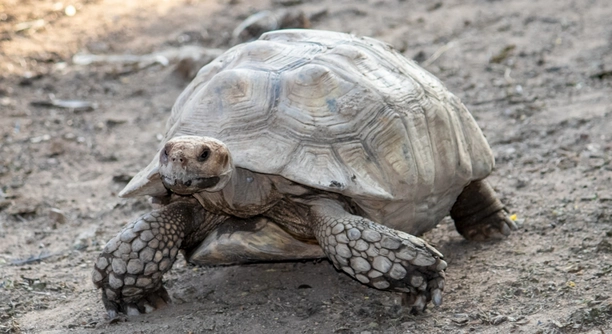
Sulcata tortoises are fascinating creatures that can make wonderful pets. Their unique personalities and long lifespan make them an interesting choice for many reptile lovers. But, like any pet, they come with their own set of needs.
Sulcata tortoises can make great pets due to their docile nature, low maintenance diet, and the joy they bring to owners. They are long-lived, hardy, and can even bond with their human caregivers, making them rewarding companions.
Despite their many positive traits, there are challenges to owning a Sulcata tortoise. Understanding their space, diet, and health needs is crucial for a happy, healthy pet.
1. Low Maintenance Diet
Sulcata tortoises are herbivores, and their diet is straightforward, mainly consisting of grasses, weeds, and leafy greens. They don’t require complicated or expensive food. Their eating habits are consistent and easy to maintain, with occasional fruits as treats. This makes them less time-consuming compared to other pets. You simply need to ensure they have access to fresh, fiber-rich foods regularly. For a pet that eats so simply, their food requirements are relatively low-cost, making them an ideal choice for those with a tight budget. Keep an eye on what they eat to avoid overfeeding fruits.
A simple diet is easy to follow, but it’s important to provide variety to meet their nutritional needs. Fresh grass and hay should be their main food source. Some owners even grow their own tortoise-friendly plants to make sure they’re eating the best options available.
A balanced diet helps prevent health issues that can arise if they eat too much high-calcium or sugary foods. Sulcatas also need fresh water daily. Without the right care, it’s easy to overlook the importance of proper hydration. With simple care, however, these tortoises can thrive on a diet of natural, fiber-rich foods.
2. Slow Growing but Long Lived
While Sulcata tortoises grow slowly, they have one of the longest lifespans of any land reptile. They can live well over 50 years, sometimes even reaching 70 or more with proper care. This makes them a long-term commitment for owners. However, despite the slow growth rate, they can eventually become quite large, with some reaching over 30 inches long and weighing up to 100 pounds. This size requires careful thought about housing, especially if you’re planning for their future needs. Proper housing will ensure they remain comfortable and healthy as they grow.
The long lifespan can be both a positive and a challenge. Knowing that your Sulcata will live for decades means you’re committing to providing long-term care. This can be an advantage if you’re looking for a lifelong companion, but it’s also important to consider whether you’re ready for such a responsibility.
Planning for the future is essential. As they grow, they will need more space and possibly different accommodations to remain happy and healthy. This includes outdoor enclosures or larger indoor spaces. As a pet owner, you’ll need to be prepared to adjust to their changing needs.
3. Hardy and Adaptable
Sulcata tortoises are known for their hardiness. They can survive in various climates, particularly in hot, dry environments. Their thick shells provide great protection from predators and the elements. They are naturally suited to outdoor living, as long as the environment is properly managed.
With the right setup, Sulcatas can thrive in temperatures between 85°F and 95°F during the day. At night, they require cooler temperatures but not below 65°F. A dry, warm climate will help them stay healthy, but they can adapt to slightly different conditions if managed properly. You’ll need to provide heating lamps, a proper substrate, and shade in their enclosure to help maintain these temperatures.
They also do well in areas where they are allowed to roam freely outdoors during warm weather. It’s important to keep them safe from extreme weather and predators. Proper fencing is key if you plan to let them roam. With appropriate care, they are highly adaptable and can live for many years without issue.
4. Tortoise Enclosure Needs
Sulcata tortoises require a large and secure enclosure, especially as they grow. They need room to roam and explore, so the more space you can provide, the better. This enclosure must have proper ventilation and be protected from extreme weather conditions.
Their enclosure should have a sheltered area where they can rest, as well as an outdoor space with plenty of sunshine. They also need hiding spots, and the ground should have a natural, sandy surface to mimic their natural habitat. Sulcatas are ground-dwelling animals, so vertical space is less important than horizontal room.
A sturdy fence is crucial since these tortoises are strong and might try to push their way through barriers. It’s best to build an enclosure that goes deep into the ground to prevent them from digging under. Regular checks for safety and comfort are necessary to make sure they remain healthy and happy in their home.
5. They Are Social and Can Bond
Sulcata tortoises are social creatures, often forming bonds with their owners. They can recognize people and may even follow them around or seek out attention. Their gentle, calm nature makes them enjoyable to have around.
With patience, they can develop a routine with their human caregivers. They aren’t the most interactive pets like dogs or cats, but they do appreciate human presence. Over time, they may show affection by approaching you or staying close by. Their behavior can be rewarding for those who prefer a more laid-back companion.
Taking time to observe and interact with them can create a strong connection. They won’t demand constant attention, but they will enjoy a gentle interaction when offered.
6. Space and Time Commitments
Providing a Sulcata tortoise with the space it needs is essential. They require a large outdoor or indoor area to live comfortably. Additionally, they need daily time outside of their enclosure for exercise and mental stimulation.
With their long lifespan, Sulcatas need constant care, so be prepared to invest time in their daily needs. Ensuring they have adequate space to roam will keep them active and healthy. However, it’s also important to commit to regular maintenance of their enclosure to keep it clean and safe.
7. Health Care Considerations
Sulcata tortoises can be quite healthy with proper care. Their robust nature means they are less likely to get sick than some other reptiles. However, regular check-ups and keeping an eye on their diet, hydration, and living conditions are necessary to prevent health issues.
Common health issues include shell problems, respiratory infections, and overgrown beaks, all of which can be managed with proper care. If you notice any signs of distress, it’s crucial to seek veterinary help quickly. Regular hydration, a clean living environment, and proper diet management will keep your tortoise thriving for years to come.
FAQ
How big do Sulcata tortoises get?
Sulcata tortoises can grow to an impressive size, with some reaching over 30 inches in length and weighing up to 100 pounds. Their size depends on their diet, care, and environment. Males tend to be larger than females. These tortoises grow slowly over the years, and it can take a decade or more before they reach full maturity. This size requires a lot of space, so make sure you’re prepared to handle their growth.
What temperature do Sulcata tortoises need?
Sulcata tortoises thrive in warm conditions. During the day, they need temperatures between 85°F and 95°F, with a cooler area for resting at night (no less than 65°F). If you’re housing them indoors, heating lamps will help maintain the proper temperature. Outdoor enclosures should be carefully monitored to ensure they aren’t exposed to extreme cold. Regular temperature checks will ensure they stay healthy.
Can I keep a Sulcata tortoise inside?
Yes, you can keep a Sulcata tortoise indoors, but you’ll need a large enough space. An indoor enclosure should be at least 4×8 feet for a smaller tortoise, but as they grow, they’ll need more room. If you’re keeping them inside, you’ll need to provide heat lamps, UVB lighting, and plenty of space to roam. An outdoor enclosure is often a better option, but they can adapt indoors as long as their environmental needs are met.
How often do Sulcata tortoises eat?
Sulcata tortoises should be fed daily, with the bulk of their diet being grasses, hay, and leafy greens. They don’t need to be fed every few hours like some animals, but their meals should be consistent. Offer them fresh food each day, and always make sure they have access to clean water. Too many fruits can upset their digestion, so avoid offering them as a daily food source.
Do Sulcata tortoises need a companion?
Sulcata tortoises are solitary animals and don’t require a companion to thrive. While they can interact with humans and other tortoises, they are not social in the same way as dogs or cats. In the wild, they live alone, and they are often content in an environment where they can roam freely. Having more than one in an enclosure may lead to territorial behavior or stress. If you have a large enough space, a second tortoise can work, but monitor them carefully to prevent aggression.
How much space do Sulcata tortoises need?
Sulcata tortoises need a lot of space to roam and exercise. For an adult, an outdoor enclosure should be at least 100 square feet, but bigger is better. They require room to stretch, walk, and explore, as this helps them stay healthy and active. If kept indoors, the space should be as large as possible, but it’s not ideal for their long-term well-being to be confined in a small space. The more room you can give them, the better.
Can Sulcata tortoises live with other pets?
Sulcata tortoises can coexist with other animals if the situation is managed carefully. They generally do well with other reptiles but can be territorial. When it comes to mammals or birds, they can sometimes be aggressive or stressed by their presence. Ensure that your other pets won’t harm or stress the tortoise. If you’re introducing a new pet to an existing Sulcata, supervise interactions closely to ensure they are getting along.
How long do Sulcata tortoises live?
Sulcata tortoises have one of the longest lifespans among reptiles. With proper care, they can live anywhere from 50 to 70 years, and some even exceed that lifespan. Their longevity makes them a long-term commitment, so it’s important to plan for their care over many decades. Their health can be supported through a balanced diet, regular vet checkups, and a proper living environment.
What do Sulcata tortoises drink?
Sulcata tortoises need fresh water available at all times. They may not drink as often as some pets, but they do drink regularly, especially in warm temperatures. Make sure they have access to clean, fresh water in a shallow dish. Avoid using water containers that are too deep, as the tortoise may struggle to drink from them. Proper hydration is important to prevent kidney problems and dehydration.
How can I keep my Sulcata tortoise healthy?
To keep your Sulcata tortoise healthy, make sure you provide a proper diet, enough space, and a suitable environment. Regular vet checkups, appropriate UVB lighting, and keeping them hydrated are all key to their well-being. Their enclosure should be cleaned frequently, and you should monitor their weight to make sure they’re not overweight, as this can cause shell and leg problems. Keep them active by providing plenty of room to roam, and make sure their living space stays at a consistent temperature.
Do Sulcata tortoises hibernate?
Sulcata tortoises do not hibernate in the traditional sense, but they may go into a state of dormancy if the temperatures drop too low. In colder environments, they may become less active and eat less. However, in warmer climates, they remain active throughout the year. If you live in a colder area, it’s crucial to provide heat and warmth to prevent them from becoming dormant during winter.
Final Thoughts
Sulcata tortoises can make wonderful pets for those who are prepared to meet their needs. They are low-maintenance in some ways, especially when it comes to their diet. Their simple herbivorous diet mainly consists of grasses, weeds, and leafy greens, which makes feeding them fairly easy. Additionally, they do not need much attention or interaction on a daily basis, making them ideal for people who prefer a less demanding pet. However, they are not the best choice for everyone due to their long lifespan and space requirements.
One of the key factors to consider before bringing a Sulcata tortoise into your home is the amount of space they need. These tortoises can grow quite large, and they require a large outdoor enclosure to roam freely. If you’re considering keeping one indoors, you must be ready to set up a suitable environment with ample space, UVB lighting, and heating. Their long lifespan means they will be a part of your life for many decades, so it’s important to think long-term when making this commitment. Their size, combined with their need for space and special care, makes them a significant responsibility.
Although Sulcata tortoises are hardy animals, they are not without challenges. Their health can be affected by poor diet, improper living conditions, or lack of proper hydration. Keeping a Sulcata tortoise healthy requires regular care, including monitoring their diet and providing the right environment. You also need to make sure their enclosure is secure to prevent them from escaping or being harmed. While they can be low-maintenance in terms of feeding, the responsibility of maintaining their habitat and meeting their long-term care needs is something to keep in mind. If you’re ready for the commitment, a Sulcata tortoise can make a fascinating and rewarding companion.

Hello,
If you enjoy the content that we create, please consider saying a "Thank You!" by leaving a tip.
Every little bit helps us continue crafting quality advice that supports the health, happiness, and well-being of pets around the world, for pets of all shapes, sizes, and species.
We really appreciate the kindness and support that you show us!