
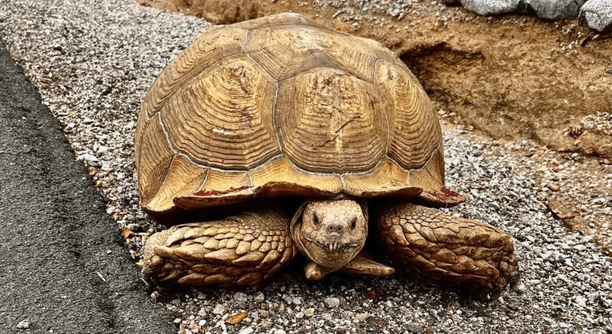
Sulcata tortoises, also known as African spurred tortoises, are herbivores with a varied diet. It’s essential to know which greens are healthy for them. This article will explore the suitability of turnip greens and other leafy greens for these tortoises.
Sulcata tortoises can eat turnip greens as part of their diet. However, turnip greens should be offered in moderation to avoid high calcium-to-phosphorus ratios. A balanced diet with various leafy greens ensures proper nutrition and prevents potential health issues.
Feeding your tortoise the right greens is vital for their long-term health. Learn about the best leafy greens to offer your sulcata tortoise and how to maintain a nutritious and balanced diet.
What Are Turnip Greens?
Turnip greens are the leafy tops of turnip vegetables. They are rich in vitamins A, C, and K, along with beneficial minerals like calcium and iron. These greens are often found in salads, soups, or as side dishes for humans. For sulcata tortoises, turnip greens can be a healthy addition to their diet, but they should not be the main green offered. These leaves are high in calcium, which is beneficial for your tortoise’s shell and bone health. However, they also have a high amount of oxalates, which can bind to calcium and prevent absorption.
When feeding turnip greens to sulcata tortoises, it’s important to balance them with other leafy greens that provide different nutrients. This helps avoid any nutritional imbalances. Too much calcium from turnip greens may also lead to kidney problems or other health issues over time if not balanced with other greens. Offering a variety of vegetables ensures that your tortoise gets all the vitamins and minerals needed for good health.
Nutritional Benefits of Turnip Greens
Turnip greens provide various nutrients that support overall health. They are high in vitamins and calcium, essential for bone development and maintaining a strong shell. However, oxalates present in the greens should be considered in moderation.
Including turnip greens in a varied diet helps provide essential vitamins like A, C, and K. Vitamin A supports eye health, while vitamin C boosts the immune system. Vitamin K promotes proper blood clotting, and calcium strengthens the shell. These benefits are vital to your sulcata tortoise’s wellbeing.
Best Leafy Greens for Sulcata Tortoises
In addition to turnip greens, there are other leafy greens that are great for sulcata tortoises. Collard greens, dandelion greens, and mustard greens are also excellent choices. These leafy greens have a lower oxalate content, making them safer for long-term feeding. They provide necessary vitamins and minerals, including calcium, without the risk of calcium binding issues.
Additionally, dandelion greens are high in fiber, which aids digestion and keeps your tortoise’s digestive system healthy. Mustard greens have a good balance of calcium and other nutrients. By offering a variety of leafy greens like these, you ensure that your tortoise gets a more complete diet.
Variety is key when feeding sulcata tortoises. Rotating these greens along with other safe vegetables, such as squash or bell peppers, helps prevent the development of nutrient deficiencies. It’s important to avoid feeding too much of any one type of vegetable to maintain a balanced diet.
Potential Risks of Feeding Turnip Greens
Though turnip greens are a healthy choice, overfeeding can lead to certain risks for sulcata tortoises. The high oxalate content in these greens may prevent proper calcium absorption if consumed too frequently. This can lead to metabolic bone disease, which affects the growth and strength of their bones and shell.
In addition, turnip greens are slightly acidic, which could upset your tortoise’s digestive system if consumed in large quantities. It’s best to offer them only occasionally and alongside other greens with lower oxalate levels, such as kale or collard greens. Offering a wide range of vegetables ensures that your tortoise gets the necessary nutrients without overloading on any particular one.
Balancing turnip greens with a variety of other vegetables helps reduce these risks. By keeping your tortoise’s diet diverse and nutrient-rich, you can promote a healthier life for your shelled companion.
Oxalates and Their Impact on Tortoises
Oxalates are natural compounds found in many plants, including turnip greens. While not inherently harmful, oxalates can bind with calcium in the digestive system, reducing calcium absorption. For sulcata tortoises, this can be problematic if oxalate-rich foods are consumed too often.
Consuming too many high-oxalate foods, like turnip greens, can interfere with proper calcium metabolism. Over time, this may lead to deficiencies that impact your tortoise’s bone health and shell growth. It’s important to vary their diet with low-oxalate greens to avoid these issues and maintain a healthy calcium balance. Too much calcium, especially when not properly absorbed, can also lead to kidney problems.
To reduce the effects of oxalates, it’s recommended to offer turnip greens in moderation and pair them with greens that are lower in oxalates. Foods like dandelion greens and collard greens provide a good balance, ensuring your tortoise receives the nutrients it needs without risk.
Calcium and Phosphorus Balance
The calcium-to-phosphorus ratio is crucial for the health of sulcata tortoises. Calcium is essential for their shell and bone structure, while phosphorus is necessary for cellular function. However, too much phosphorus can block calcium absorption, causing deficiencies.
Turnip greens are rich in calcium, but they also contain phosphorus, which is why balancing them with other vegetables is key. High-phosphorus foods like spinach or lettuce should be avoided, as they can contribute to an imbalance. Offering a variety of greens ensures your tortoise receives an appropriate calcium-to-phosphorus ratio, which supports its overall health and growth.
Maintaining this balance is crucial in preventing metabolic bone disease and other related conditions. If your tortoise is consistently fed foods with poor calcium-to-phosphorus ratios, it may experience weaker bones and slower growth. Keeping the ratio within the ideal range ensures that your tortoise thrives.
Offering Turnip Greens in Moderation
Turnip greens can be a nutritious part of your sulcata tortoise’s diet, but only in small amounts. Overfeeding may lead to an imbalance in calcium absorption due to the oxalate content. Moderation is key to ensuring your tortoise stays healthy.
To maintain a balanced diet, alternate between turnip greens and other leafy vegetables. Offering them once or twice a week is a safe way to include turnip greens without risking health problems. By controlling portions, you can avoid the negative effects that excess oxalates can have on calcium absorption.
Other Safe Leafy Greens to Offer
In addition to turnip greens, a variety of other leafy greens can be offered to sulcata tortoises. These include collard greens, dandelion greens, and mustard greens, which provide the necessary nutrients while being lower in oxalates. They are excellent choices for daily meals.
Offering a mix of these greens ensures that your tortoise gets a full range of vitamins, minerals, and fiber. Just like with turnip greens, make sure to rotate these options and monitor your tortoise’s response to different vegetables. This keeps their diet varied and nutritionally complete, promoting better overall health.
FAQ
Can sulcata tortoises eat turnip greens every day?
No, sulcata tortoises should not eat turnip greens every day. While they are nutritious, the high oxalate content in turnip greens can interfere with calcium absorption, which is essential for bone and shell health. It’s best to offer turnip greens only a few times a week in moderation, alongside other leafy greens with lower oxalate levels.
What other vegetables can I feed my sulcata tortoise?
Along with turnip greens, sulcata tortoises can enjoy a variety of other vegetables. Good options include collard greens, dandelion greens, kale, and mustard greens. These vegetables are high in essential vitamins and minerals while being safe for your tortoise. Avoid feeding them too much lettuce, as it has low nutritional value, and never give them starchy vegetables like potatoes or tomatoes, which can be harmful.
Are there any vegetables to avoid feeding sulcata tortoises?
Yes, there are a few vegetables to avoid when feeding your sulcata tortoise. Vegetables such as spinach, rhubarb, and beet greens are high in oxalates and should be limited or avoided. Additionally, iceberg lettuce has very little nutritional value and can cause digestive upset. Starchy vegetables like potatoes, corn, and tomatoes should also be avoided due to their potential toxicity and poor nutritional profile.
How often should I feed my sulcata tortoise?
Sulcata tortoises are grazing herbivores, so they should have access to food every day. However, the types of vegetables you offer and the portions need to be balanced. Offer fresh leafy greens daily, but rotate through different types of greens and vegetables to ensure a well-rounded diet. A healthy feeding schedule includes one main meal of leafy greens and small amounts of other vegetables or safe fruits, depending on your tortoise’s specific needs.
Can I feed my sulcata tortoise fruits?
Fruits should be offered sparingly to sulcata tortoises. While fruits like strawberries, melon, and mango can be a tasty treat, they are high in sugar and should not be part of their regular diet. Too much sugar can upset their digestive system and lead to weight gain. A small piece of fruit once or twice a week is enough.
What is the best way to provide water for my sulcata tortoise?
Sulcata tortoises need a fresh supply of water daily. Unlike some animals, they don’t drink as often, but they do need water for hydration and to soak in. It’s important to offer shallow water dishes where they can easily access water and soak if needed. Ensure that the dish is large enough for them to enter and exit without difficulty, but not too deep to avoid drowning risks.
Can I feed my sulcata tortoise hay?
Yes, hay is an excellent addition to a sulcata tortoise’s diet. High-quality grass hay, such as timothy or orchard grass, provides fiber that is essential for their digestive health. Hay should be available to them at all times to encourage grazing and prevent problems like constipation. This also helps wear down their ever-growing beaks and teeth.
Should I be concerned about my sulcata tortoise’s weight?
Yes, it’s important to monitor your sulcata tortoise’s weight to ensure it’s not overweight or underweight. Overfeeding high-calcium foods like turnip greens, especially without variety, can lead to weight gain and health problems. Similarly, a lack of essential nutrients due to an imbalanced diet can result in malnutrition. Regularly check for changes in their body shape, and adjust their diet accordingly to maintain a healthy weight.
Can I feed my sulcata tortoise flowers?
Yes, certain flowers can be fed to your sulcata tortoise. Safe flowers include dandelions, hibiscus, and nasturtiums. They add variety to the diet and are full of nutrients that are good for your tortoise. Avoid feeding them flowers from plants that may be toxic, such as lilies, or flowers treated with pesticides.
How do I know if my sulcata tortoise is getting enough calcium?
A healthy sulcata tortoise needs enough calcium to maintain a strong shell and bones. Signs of calcium deficiency include soft or brittle shells, slow growth, and poor bone development. To ensure sufficient calcium, offer leafy greens like collard greens and dandelion greens, and dust the vegetables with calcium powder if necessary. Monitor your tortoise’s health regularly to prevent deficiencies.
Final Thoughts
Feeding your sulcata tortoise the right variety of greens is essential for its health and well-being. While turnip greens can be a nutritious option, they should be offered in moderation. Their high oxalate content can interfere with calcium absorption, which is critical for your tortoise’s bone and shell health. By balancing turnip greens with other leafy greens, you can ensure your tortoise gets the vitamins and minerals it needs without the risks associated with too many oxalates. Variety in the diet is key to preventing any imbalances and providing the best nutrition.
Along with turnip greens, there are many other leafy greens that are great for sulcata tortoises, such as collard greens, dandelion greens, and mustard greens. These greens offer a better balance of nutrients and are lower in oxalates. They are also rich in fiber, which supports healthy digestion. It’s important to rotate these vegetables regularly to provide a wide range of nutrients, such as calcium, vitamins, and minerals. You should also avoid feeding high-oxalate vegetables, like spinach, and starchy foods, such as potatoes, which can be harmful to your tortoise.
Ultimately, your sulcata tortoise’s diet plays a major role in its overall health. By feeding a well-rounded diet with a mix of leafy greens and other safe vegetables, you’re helping ensure its longevity and happiness. Always remember that moderation is important. Too much of any one food can lead to health problems, and variety helps to avoid these issues. Regularly monitor your tortoise’s health and make adjustments to its diet as needed. This approach will support a strong, healthy tortoise with a beautiful, durable shell.

Hello,
If you enjoy the content that we create, please consider saying a "Thank You!" by leaving a tip.
Every little bit helps us continue crafting quality advice that supports the health, happiness, and well-being of pets around the world, for pets of all shapes, sizes, and species.
We really appreciate the kindness and support that you show us!