
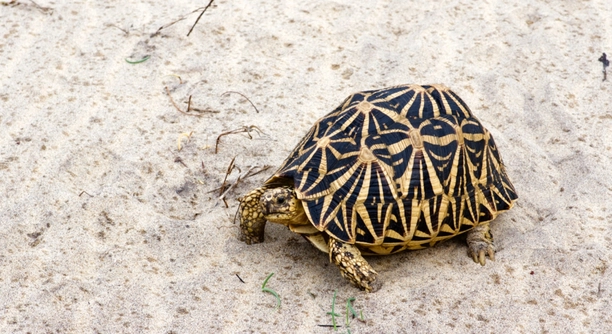
Transporting an Indian Star Tortoise to the vet can be a delicate task. It’s essential to ensure their safety and comfort during the trip, which can sometimes be stressful for these small, slow-moving creatures.
To transport your Indian Star Tortoise safely to the vet, use a secure carrier with enough ventilation and padding. Make sure the tortoise is comfortable and stable during the ride to reduce any stress or injury.
Understanding the proper steps for transporting your tortoise is key to a safe trip and a successful vet visit.
Choosing the Right Carrier for Your Indian Star Tortoise
When selecting a carrier for your Indian Star Tortoise, make sure it’s spacious enough for them to move comfortably but not too large to cause instability during travel. Opt for a hard-shell carrier or a well-ventilated plastic box. Both options can prevent your tortoise from shifting around too much while still providing enough airflow. It’s also important to line the bottom of the carrier with a soft material, such as towel or newspaper, to cushion any bumps during the ride. This will help protect your tortoise from unnecessary stress and injury.
The carrier should be secure, ensuring the tortoise can’t escape during the trip. A good latch is essential for safety.
While comfort is important, remember the carrier needs to be lightweight and easy to handle. You don’t want to be struggling with a heavy box, especially if you’re traveling a long distance.
Preparing for the Trip
Before heading out, double-check that the carrier is free of hazards like sharp edges. You should also prepare your tortoise for the trip by gently handling it beforehand. This allows you to gauge how comfortable it is with being handled and ensures it won’t become overly stressed.
Keep the trip as short as possible. Aim for a direct route to the vet to minimize the time your tortoise spends in transit. Any unnecessary delays can cause additional stress.
Keeping Your Indian Star Tortoise Calm During Transport
A calm environment is key to ensuring your tortoise’s stress levels stay low. Covering the carrier with a light cloth can help make the space feel more secure. It also prevents your tortoise from getting distracted by external movements or sounds during the ride.
The cloth should be breathable and lightweight to allow airflow. It’s best not to fully block the carrier, as the tortoise still needs some ventilation. This simple method can go a long way in helping your tortoise feel at ease.
Avoid playing loud music or engaging in heavy conversations during the trip. This creates unnecessary noise and stress for your tortoise. Keeping the ride calm will benefit both you and your pet.
Adjusting the Temperature
Temperature regulation is vital for your tortoise’s comfort during transport. Keep the car temperature within a safe range of 75-85°F (24-29°C). Extreme heat or cold can stress your tortoise, leading to health complications.
If you’re traveling in cooler weather, consider using a heat pack inside the carrier. Be sure to place the heat pack near the side of the carrier, not directly under the tortoise, to avoid overheating. Likewise, during hotter months, ensure the car’s air conditioning is working well. Never leave the carrier in direct sunlight.
Proper temperature control helps maintain your tortoise’s stability, reducing the risk of health issues while traveling. It’s a simple but essential factor to keep in mind.
Avoiding Sudden Movements
While transporting your Indian Star Tortoise, it’s important to avoid sudden movements or sharp turns. Abrupt changes in direction can cause the tortoise to shift unexpectedly, leading to stress or injury.
Try to drive smoothly, maintaining consistent speed and making gradual turns. This helps ensure the carrier remains stable throughout the trip.
Keeping the Carrier Stable
To keep the carrier steady, place it securely in the car. If possible, secure it with a seatbelt to prevent any sliding. A secure position reduces the risk of the carrier tipping over or shifting during the ride.
Monitoring Your Tortoise’s Health
During the trip, keep an eye on your tortoise to ensure it’s not showing signs of distress. If it’s too hot or cold inside the carrier, adjust the temperature accordingly.
Look for signs of rapid breathing or excessive movement. These can indicate that the tortoise is uncomfortable.
FAQ
What should I do if my Indian Star Tortoise refuses to enter the carrier?
If your tortoise is hesitant to enter the carrier, try placing some of its favorite food inside to encourage it. You can also use a familiar object, like a small rock or twig from its habitat, to make the carrier more inviting.
Don’t force your tortoise into the carrier, as this may cause additional stress. Instead, give it some time to explore the carrier on its own. Patience is key when it comes to handling reptiles.
Can I transport my Indian Star Tortoise in a soft-sided carrier?
Soft-sided carriers are generally not recommended for tortoises. While they may be more flexible, they don’t provide the same level of stability or protection that hard-sided carriers do. A hard shell ensures the tortoise is less likely to be injured during travel.
That said, if you must use a soft-sided carrier, ensure it has adequate structure and ventilation. You’ll want to make sure it can securely hold your tortoise without collapsing or shifting during the ride.
How do I know if my Indian Star Tortoise is too stressed during transport?
Signs of stress in a tortoise can include excessive panting, rapid movements, or drooping limbs. If your tortoise is displaying these signs, it’s important to stop and check its condition.
Check the temperature inside the carrier and ensure it’s within the appropriate range. Also, make sure there’s enough ventilation. If your tortoise continues to show signs of distress, it may be best to take a break and allow it to calm down before resuming the trip.
Is it safe to travel with an Indian Star Tortoise in a car for long periods?
Traveling long distances is generally safe as long as you prepare correctly. Make sure the temperature is regulated, the carrier is stable, and your tortoise is comfortable throughout the trip.
If you’re traveling for extended periods, plan regular stops. This gives your tortoise a chance to adjust and prevents it from being in the same position for too long. It’s important to monitor its health, especially on long trips.
Can I give my Indian Star Tortoise water during transport?
It’s best to avoid giving your tortoise water during transport unless the trip is particularly long. If you do need to offer water, place a small dish inside the carrier that’s shallow enough for the tortoise to drink from.
However, too much water can lead to spills inside the carrier, causing unnecessary mess and stress. If you’re unsure, it’s safer to wait until you arrive at the destination to offer water.
What if my Indian Star Tortoise is sick and needs immediate attention?
If your tortoise is sick and requires urgent care, make sure the trip to the vet is as fast and direct as possible. In cases of serious illness, transport your tortoise gently and carefully, avoiding any unnecessary movements.
If your tortoise seems to be in severe pain or distress, consider contacting a vet to see if there are any emergency care options before traveling. Keeping calm and focused is essential to minimizing stress for your pet.
Should I feed my Indian Star Tortoise before the trip?
It’s usually fine to feed your tortoise a small meal before traveling, but it’s best to avoid heavy or hard-to-digest foods right before the trip. A light snack will prevent your tortoise from becoming too hungry during the ride without causing digestive discomfort.
Feeding too soon before transport may cause your tortoise to feel uncomfortable or bloated. It’s generally a good idea to wait about an hour before traveling after feeding.
Can I leave my Indian Star Tortoise in the car unattended during transport?
Leaving your tortoise unattended in the car is not recommended, even if the windows are cracked or the air conditioning is on. The temperature can quickly fluctuate, putting your tortoise at risk.
If you need to stop for any reason, take your tortoise with you or leave the car running to ensure the environment remains stable. Your tortoise’s safety should always come first during the trip.
What’s the best way to calm my Indian Star Tortoise during a stressful trip?
To calm your tortoise during a trip, make sure the carrier is comfortable and secure. Adding a familiar scent, such as a piece of its habitat or a soft cloth, can help provide reassurance.
Keep the car quiet and stable, and avoid loud noises or sudden movements. If your tortoise begins to show signs of stress, such as rapid breathing or excessive movement, try speaking softly to it or gently touching the outside of the carrier to offer reassurance.
Final Thoughts
Transporting your Indian Star Tortoise to the vet may seem daunting, but with the right preparation, it can be a smooth experience for both you and your pet. Ensuring the carrier is secure and well-ventilated, maintaining a stable temperature, and keeping your tortoise calm are key to minimizing stress during the trip. Always take the time to assess your tortoise’s needs, such as hydration and comfort, to prevent unnecessary discomfort. A little planning ahead can go a long way in ensuring your tortoise’s health and safety during transport.
Remember, the goal is to make the trip as easy as possible. Whether it’s by placing your tortoise’s favorite food in the carrier or using a cloth to keep the environment calm, small adjustments can make a big difference in how your tortoise feels. If your tortoise shows signs of distress, don’t hesitate to stop and adjust the conditions. It’s important to stay calm and patient throughout the journey. Your tortoise will pick up on your energy, and a calm, relaxed approach will help keep it at ease.
Taking care of an Indian Star Tortoise involves more than just feeding and habitat maintenance; it includes ensuring their well-being during trips as well. By following these simple guidelines, you can make the process of going to the vet less stressful for both you and your tortoise. Ultimately, knowing when to take breaks, keeping an eye on their health, and maintaining a controlled environment during the ride will ensure your tortoise arrives safely and comfortably. These small steps can make a significant difference in your tortoise’s overall experience.

Hello,
If you enjoy the content that we create, please consider saying a "Thank You!" by leaving a tip.
Every little bit helps us continue crafting quality advice that supports the health, happiness, and well-being of pets around the world, for pets of all shapes, sizes, and species.
We really appreciate the kindness and support that you show us!