
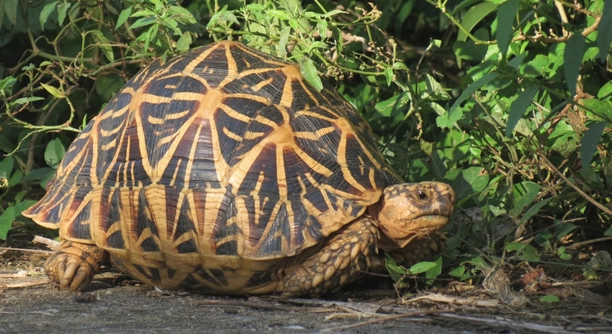
Creating the best outdoor environment for your Indian Star Tortoise requires understanding its specific needs. With the right care, these tortoises can thrive outdoors, where they can enjoy ample space and sunlight.
Providing an ideal outdoor habitat for your Indian Star Tortoise involves selecting a spacious enclosure, maintaining proper temperature, humidity, and access to natural elements. The right setup ensures they can enjoy a healthy, stress-free life.
By following these tips, you can provide a comfortable and safe space for your tortoise, ensuring it thrives outdoors.
Choosing the Right Enclosure for Your Indian Star Tortoise
When selecting an outdoor enclosure for your Indian Star Tortoise, the space should be large enough for it to roam freely. A secure, fenced area is ideal to prevent escapes while offering enough space to explore. It’s important to create a space that mimics its natural environment as closely as possible. Include areas for basking, hiding, and grazing. A simple wooden or wire fence can be used to secure the enclosure, but make sure it’s high enough to prevent the tortoise from climbing or digging out.
The ground should be flat and covered with natural elements, such as grass or dirt. Avoid artificial materials that could pose a risk. If you’re setting up in a garden, make sure to remove any potentially harmful plants or toxic chemicals. A raised edge around the enclosure can help with drainage during rainy periods.
Adding rocks or logs for climbing can provide enrichment. Tortoises enjoy basking in the sun, so a sheltered area with access to full sunlight is important for regulating body temperature.
Temperature Control for Your Tortoise’s Comfort
Temperature plays a significant role in your tortoise’s well-being. The enclosure should be warm during the day with a cooler area for the night.
Consider setting up a basking area where the tortoise can warm up under a heat lamp. Provide a temperature gradient in the enclosure so your tortoise can move between warmer and cooler areas depending on its needs. The ideal daytime temperature ranges from 85°F to 95°F, while the night temperature should not drop below 70°F.
If you live in a region where winters get cold, you’ll need to have a way to provide heat during the cooler months. For this, you might use a heated shelter or indoor enclosure during extreme temperatures. Too much cold can cause health problems, so keeping track of temperature is essential.
Offering a Natural and Safe Diet
Indian Star Tortoises are herbivores, and their diet should consist primarily of grasses, weeds, and leaves. You can offer them a variety of plants that are safe for tortoises, ensuring they have access to both dry and fresh plants. A diet rich in fiber is necessary to prevent digestive issues and maintain healthy shell growth.
Avoid feeding your tortoise processed foods or high-protein items like meat, as these can harm its kidneys over time. Fresh vegetables such as dandelion greens, clover, and hibiscus flowers are ideal for them. You can also offer them small amounts of fruits, like papaya or berries, as treats but in moderation.
Make sure to provide a constant supply of fresh water. While tortoises can get some hydration from plants, access to clean drinking water is essential. If you can, consider a shallow water dish where they can soak their legs and feet, as this helps with hydration and shell maintenance.
Shelter and Shade: Ensuring Comfort Year-Round
Shelter is key to keeping your Indian Star Tortoise safe and comfortable. A sheltered area will provide protection from rain and harsh sun.
For the shelter, a simple wooden or plastic structure can offer adequate protection. It should be easy for your tortoise to access and large enough for it to feel comfortable. Be sure the shelter has ventilation to allow airflow, especially during warmer weather. A shaded area within the enclosure will also protect your tortoise from overheating in hot climates.
In addition to providing a cool shaded space, ensure the shelter is equipped with bedding that absorbs moisture, such as hay or straw. This not only helps keep the tortoise dry but also offers a comfortable place to rest.
Since tortoises like to have a place to retreat, a hiding spot will give them a sense of security. This is important for their mental well-being. A small hideout such as a log or a dug-out area can work well.
Proper Lighting for Health and Growth
Providing proper lighting is crucial for your Indian Star Tortoise’s overall health. Natural sunlight is ideal, but if that’s not possible, use UVB lighting.
UVB light helps your tortoise absorb calcium, which is vital for strong bones and a healthy shell. Set up a UVB bulb in a basking area to mimic natural sunlight. It’s important that the UVB light is replaced every six months, even if it still seems to be working, as it loses effectiveness over time.
Ensure your tortoise has access to UVB light for about 12 hours per day to support healthy growth. If you are using a combination of natural sunlight and artificial light, make sure the indoor setup complements the natural environment.
Keeping the Enclosure Clean and Hygienic
Keeping the enclosure clean is essential for your tortoise’s health. Regular cleaning prevents bacteria and parasites from affecting your tortoise.
Remove uneaten food daily to prevent spoilage. Wash water bowls and food dishes regularly to keep them free from dirt and bacteria. Once a week, remove any waste, including any old bedding or waste materials. Scrub the enclosure surfaces thoroughly, paying special attention to corners where bacteria may accumulate. A clean environment reduces the chances of illness and ensures your tortoise stays healthy.
It’s also helpful to check for mold or fungal growth in damp areas. If you notice any, clean them immediately to keep your tortoise safe.
Protecting Your Tortoise from Predators
Indian Star Tortoises are vulnerable to predators, especially in outdoor environments. A secure enclosure with proper fencing will help protect them.
Ensure the enclosure is surrounded by high, sturdy fences. A fence that’s at least three feet tall will prevent predators like dogs or larger animals from reaching your tortoise. Additionally, bury the bottom edge of the fence at least 6 inches deep to prevent any digging animals from getting in.
Consider adding a mesh or wire roof to keep out flying predators. Be mindful of hawks and birds of prey, which could pose a risk, especially when your tortoise is basking.
Avoiding Overcrowding in the Enclosure
Overcrowding can stress out your Indian Star Tortoise, so it’s important not to house too many tortoises in one enclosure.
Each tortoise needs enough space to move around freely and establish its own territory. Overcrowding can lead to competition for resources like food, water, and basking spots, which can cause stress or even fights. If you have multiple tortoises, provide a larger enclosure or separate pens to ensure they each have their own space.
By giving each tortoise enough room, you’ll help ensure they remain calm and healthy.
Adding Hiding Spots for Security
Your tortoise needs places to hide and retreat to feel secure. Hideouts help reduce stress and promote well-being.
Simple objects like logs or rocks can create hiding spaces. You can also use plants to provide additional cover. Ensure the hiding spots are easy for your tortoise to access. A variety of options gives your tortoise more choices to feel safe and comfortable.
Water Source for Hydration and Soaking
Water is essential for hydration and shell care. Ensure a shallow water dish is available for soaking and drinking.
Your tortoise will likely soak in water, which helps with hydration and shell health. The dish should be easy to access but not too deep to avoid drowning. Make sure to clean the water regularly.
Providing a Proper Substrate
Choosing the right substrate helps maintain humidity and promotes natural behaviors. Use materials like soil or sand to line the floor.
The substrate should be absorbent and dust-free. Avoid using materials like cedar or pine shavings as they can be toxic. A combination of soil, sand, and dried leaves will help keep the environment natural and easy to clean.
FAQ
How much space does an Indian Star Tortoise need?
Indian Star Tortoises require a lot of space to roam. Ideally, they should have an enclosure that’s at least 4 feet by 8 feet. The more space you can provide, the better. In larger enclosures, they can explore, find food, and feel secure. When kept in cramped conditions, they may become stressed, affecting their health and behavior.
What temperature should the enclosure be?
The temperature in the enclosure should be carefully regulated to mimic the natural environment of the Indian Star Tortoise. A basking area should be kept between 90°F to 95°F, while the cooler side of the enclosure should be around 75°F to 80°F. Nighttime temperatures can drop to 70°F to 75°F.
Can I keep more than one Indian Star Tortoise together?
Yes, you can keep multiple Indian Star Tortoises together, but space is key. It’s best to provide each tortoise with its own territory. If they are too close, there may be fighting or competition for food and basking areas. Make sure your enclosure is large enough for multiple tortoises to coexist peacefully.
What do Indian Star Tortoises eat?
Indian Star Tortoises are herbivores. Their diet mainly consists of grasses, leafy greens, and some fruits. You can feed them dandelion greens, hibiscus flowers, and clover. Occasionally, offering fruits like papaya or melon is okay, but they should make up only a small portion of the diet.
How often should I feed my tortoise?
You should feed your Indian Star Tortoise every day. Make sure the food you provide is fresh and clean. Offer a variety of leafy greens and grasses, and avoid feeding them processed foods. Always monitor how much they eat, adjusting the portions as needed.
How long can an Indian Star Tortoise live?
Indian Star Tortoises can live for a long time if properly cared for, typically around 50 to 100 years. Their longevity is influenced by diet, environment, and health. By providing the right care, your tortoise can be a lifelong companion.
Do Indian Star Tortoises need a heat lamp?
Yes, a heat lamp is essential, especially if your tortoise is housed indoors. A basking spot with a heat lamp is necessary for thermoregulation, as tortoises rely on external heat to stay warm. Make sure the light is UVB-emitting to aid calcium absorption.
What kind of substrate should I use?
A mix of soil, sand, and leaves works well as substrate. It mimics the tortoise’s natural habitat and provides good drainage. Avoid using materials like cedar, as they can be harmful. Regularly change and clean the substrate to maintain a hygienic environment.
Do Indian Star Tortoises need to be bathed?
While tortoises do not need regular baths, they benefit from soaking in shallow water a few times a week. This helps with hydration, digestion, and keeping their shell healthy. Soaking also encourages natural behaviors, as they may soak in the wild to stay hydrated.
What should I do if my tortoise is not eating?
If your Indian Star Tortoise refuses food, check if the temperature is correct and if the enclosure is clean. Stress, improper lighting, or illness could cause a loss of appetite. If the problem persists for more than a few days, consult a vet to rule out any health issues.
How do I maintain proper humidity in the enclosure?
Humidity levels should be between 50% and 70%. This can be achieved by misting the enclosure or using a humidity tray filled with water and stones. Ensure that the area around the water bowl doesn’t stay too damp, as excessive moisture can lead to mold growth.
Can I take my Indian Star Tortoise outside?
Yes, you can take your tortoise outside to enjoy natural sunlight, as long as you provide a secure, predator-free environment. Outdoor time is great for natural behaviors and UV exposure. However, always supervise your tortoise to ensure it doesn’t escape or face danger.
What should I do if my tortoise’s shell is damaged?
If your tortoise’s shell is cracked or injured, it’s important to seek veterinary help immediately. The shell is sensitive, and injury can lead to infection. The vet will guide you on proper treatment, which may include cleaning the wound and applying medication.
Are Indian Star Tortoises good pets for beginners?
Indian Star Tortoises are relatively easy to care for compared to other exotic pets, but they do require specific conditions. They need proper temperature regulation, lighting, and a clean environment. With the right care, they make excellent pets, but they’re not for those who want low-maintenance animals.
How do I know if my tortoise is healthy?
A healthy tortoise should be active, have clear eyes, and eat regularly. Look out for signs of illness such as lethargy, shell discoloration, or a lack of appetite. If you notice anything unusual, it’s best to consult a vet to ensure your tortoise’s health.
Final Thoughts
Creating the best outdoor environment for your Indian Star Tortoise is crucial to ensuring it thrives. The right temperature, humidity, and space are key to your tortoise’s well-being. Providing hiding spots, a proper substrate, and access to fresh water will help mimic its natural habitat, making it feel safe and comfortable. Remember that their environment should be spacious, so they can explore and move freely, promoting both physical and mental health. Regular care and maintenance of the enclosure are important to keep it clean and suitable for your tortoise.
It’s also essential to pay attention to your tortoise’s diet. A healthy, balanced diet with a variety of grasses, leafy greens, and occasional fruits will help maintain your tortoise’s health. Be mindful of any changes in their eating habits, as this can signal a potential health issue. Along with providing proper food, it’s equally important to ensure they get adequate UVB light and warmth. A basking area with proper heat and lighting will help with digestion and calcium absorption, vital for shell health.
Overall, your Indian Star Tortoise can be a long-term, rewarding companion if given the right care. Their natural habitat may be far away, but you can create a comfortable and stimulating environment that meets their needs. With a little attention to detail, you can enjoy watching your tortoise grow and thrive in its outdoor space. Regular health checks and appropriate living conditions will ensure that your tortoise remains happy and healthy for many years to come.

Hello,
If you enjoy the content that we create, please consider saying a "Thank You!" by leaving a tip.
Every little bit helps us continue crafting quality advice that supports the health, happiness, and well-being of pets around the world, for pets of all shapes, sizes, and species.
We really appreciate the kindness and support that you show us!