
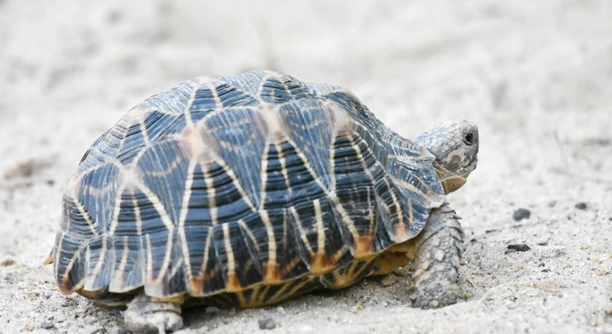
The Indian star tortoise, a unique and fascinating species, can face challenges during winter months. Understanding how to help them thrive in colder weather is essential for their well-being and longevity. Proper care is key.
To help your Indian star tortoise thrive during the winter, focus on maintaining proper temperature and humidity levels. Ensure their habitat is warm enough, provide UVB lighting, and offer adequate food and hydration to support their immune system and overall health.
By adjusting these factors, your tortoise can stay healthy and comfortable throughout the colder season.
Maintaining the Right Temperature
During winter, it’s crucial to maintain a stable temperature for your Indian star tortoise. Their environment should be kept between 75-85°F during the day and slightly cooler at night. Using a heat lamp or ceramic heater can help regulate the temperature inside their enclosure. Cold temperatures can cause your tortoise to become sluggish or even lead to respiratory infections.
Additionally, avoid placing their habitat near windows or areas with drafts, as temperature fluctuations can stress your tortoise. Using a thermostat to monitor the temperature inside the enclosure will provide more control. Be mindful of their hibernation habits, as colder weather may make them more inactive, but it’s important not to let them get too cold.
Even during winter, your Indian star tortoise needs consistent warmth. A basking spot should be provided so they can regulate their body temperature. If the space feels too cold, they won’t be able to digest their food properly or remain healthy.
Proper Lighting is Essential
UVB lighting plays a key role in the health of your tortoise. Providing 10-12 hours of UVB light per day is necessary for vitamin D3 production and calcium absorption, which helps maintain a strong shell.
Without proper UVB exposure, your tortoise may experience bone deformities, shell problems, and even metabolic bone disease. It’s vital to use high-quality UVB bulbs designed for reptiles. Make sure the bulbs are placed correctly, as they lose effectiveness over time. Replace them every 6-12 months, even if they still appear to be working.
Your tortoise will be much better off with adequate UVB light. These lighting adjustments help with digestion and overall health, keeping your pet happy through the colder months.
Humidity Levels Matter
Humidity is another important factor when caring for your Indian star tortoise during winter. Aim for humidity levels between 50-70%. If the air is too dry, it can cause issues like shedding problems or respiratory stress.
A simple way to maintain proper humidity is by using a humidity gauge inside the enclosure. Adding a shallow water dish can help keep moisture levels stable. Misting the enclosure lightly during the day or using a humidity tray with moss can also help, especially if the air inside is too dry due to heating.
Excess moisture should be avoided as well, as too much humidity can lead to fungal or bacterial growth. Keeping the tortoise’s enclosure in a stable, humid environment during the winter months will help prevent skin and respiratory issues while supporting their natural behavior.
Feed Your Tortoise Well
Winter is not the time to reduce feeding. Your Indian star tortoise needs a well-balanced diet to stay healthy. In colder months, their metabolism slows down, but they still require adequate nutrition to remain strong.
Offer them a mix of leafy greens like dandelion, collard greens, and turnip greens, as well as some vegetables. Fruits can be given in moderation. Make sure to avoid high-fat or overly sugary foods, which can harm their digestive system. For extra calcium, consider dusting their food with a calcium supplement.
It’s also important to provide fresh water daily, as dehydration can lead to serious health issues. Feeding your tortoise well helps them maintain strength and stamina through the winter, which is crucial for their immune system and overall health.
Regular Monitoring
It’s important to regularly check on your tortoise’s behavior, appearance, and enclosure. Monitoring them will help you identify potential health issues early.
Make sure they are eating well, moving normally, and not showing signs of lethargy or illness. Checking their shell for any soft spots or cracks is also a good habit.
Keeping track of their habits ensures that they are adapting well to the winter environment. If you notice any unusual changes, seek advice from a reptile vet right away. Early detection makes all the difference in addressing problems before they become serious.
Provide a Comfortable Hiding Spot
Your tortoise may need extra comfort during the colder months. A warm, secure hiding spot will give them a sense of safety and comfort.
Place a small box or hide inside the enclosure with soft bedding like shredded newspaper or coconut coir. This will encourage them to rest and feel secure. A hiding spot provides a break from the colder environment and can help reduce stress. Make sure the space is easily accessible but not too exposed to temperature fluctuations.
Keep Their Enclosure Clean
A clean environment is essential for your tortoise’s health. Regularly clean their enclosure to prevent bacteria and mold buildup, especially when temperatures drop.
Spot clean their habitat daily by removing any uneaten food, waste, or soiled bedding. This helps maintain proper hygiene and ensures your tortoise doesn’t come into contact with harmful bacteria. Additionally, a deep cleaning of their enclosure every few weeks will keep their space fresh and comfortable, reducing the risk of infections or other health issues.
FAQ
How cold is too cold for my Indian star tortoise?
Indian star tortoises are sensitive to cold temperatures. Anything below 60°F can be harmful to them. When the temperature drops too low, their metabolism slows down significantly, and they may not be able to digest food properly. Cold environments can also make them more susceptible to respiratory infections. If your enclosure temperature falls below 60°F, you should take action by increasing the heat, using heating lamps, or relocating them to a warmer area.
What temperature should I keep my Indian star tortoise’s habitat in winter?
During winter, the temperature should be kept between 75-85°F during the day, with nighttime temperatures dropping slightly but not falling below 60°F. You can use heat lamps or ceramic heat emitters to maintain warmth in their habitat. It’s essential to keep the warmest areas at the proper temperature while allowing cooler zones so the tortoise can regulate its body temperature. A thermometer inside the enclosure will help you monitor and adjust accordingly.
How do I maintain humidity in my Indian star tortoise’s enclosure during winter?
Humidity is important, especially during winter when indoor air can become dry. To maintain a humidity level between 50-70%, you can mist the enclosure lightly once or twice a day. You could also place a shallow water dish inside the habitat or use a humidity tray filled with damp moss to increase moisture. Keep an eye on the humidity level with a hygrometer to avoid over-humidifying, which could lead to mold or fungal issues.
Can I let my Indian star tortoise hibernate during winter?
Indian star tortoises do not hibernate in the traditional sense, but they may become less active during colder months. This is normal, as their metabolism slows down. However, it’s crucial to avoid forcing them into brumation or hibernation by lowering their temperature too much. A healthy tortoise should remain active enough to eat and drink. If they are not showing signs of activity for an extended period, it could be a sign that something is wrong and may require a vet check.
What should I feed my Indian star tortoise in winter?
In winter, it’s important to continue feeding your tortoise a well-balanced diet to maintain its health. Offer a variety of leafy greens like dandelion, collard greens, and kale. You can also include small amounts of vegetables such as carrots and squash. Avoid high-protein or sugary foods, which can upset their digestion. If necessary, provide a calcium supplement to ensure strong shell and bone health. Keep their food fresh and change it daily.
Can I use a heat mat for my Indian star tortoise during winter?
A heat mat can be used in conjunction with a heat lamp to provide a stable temperature gradient, especially in the cooler months. However, it’s important to avoid placing it directly under the tortoise’s hide. Heat mats are best used to warm one side of the enclosure, creating a warm zone. This allows your tortoise to move to a cooler area when needed. Be sure to monitor the temperature with a thermometer to prevent overheating.
How can I prevent my Indian star tortoise from becoming dehydrated in winter?
Dehydration is a risk during the winter, especially if your tortoise is not eating or drinking enough. To help prevent dehydration, offer fresh water daily in a shallow dish. Misting the enclosure can also increase humidity and help your tortoise stay hydrated. You can soak your tortoise in lukewarm water a few times a week, especially if they appear sluggish or are not drinking from the dish. This will encourage them to hydrate and also help with their overall health.
Do I need to give my tortoise UVB light during winter?
Yes, UVB light is essential for your Indian star tortoise year-round, even in winter. UVB lighting helps them produce vitamin D3, which is necessary for calcium absorption and strong bones. Without proper UVB light, your tortoise may develop metabolic bone disease. Ensure the UVB bulb is placed correctly in the enclosure, and remember to replace it every six months, as the bulb’s effectiveness decreases over time.
Should I change my Indian star tortoise’s bedding for winter?
The bedding for your tortoise should be changed regularly to ensure a clean, dry environment. During winter, opt for a substrate that retains heat well, such as coconut coir or paper towels. These materials can help maintain warmth and prevent drafts. Make sure the bedding is dry, as dampness can increase the risk of mold or respiratory problems. Spot clean daily, and change out all bedding every couple of weeks to keep your tortoise’s habitat fresh.
Is it okay for my Indian star tortoise to be outside in winter?
It is not recommended to keep your Indian star tortoise outside during winter, especially in regions where the temperature drops below their tolerance level. Even mild winter conditions can stress them and lead to health problems. If you live in a warmer climate, make sure the outdoor habitat is properly insulated and heated. Otherwise, it’s safest to keep your tortoise inside during the colder months to ensure they stay healthy and comfortable.
Can I use a regular household bulb for my tortoise’s basking area?
A regular household bulb will not provide the necessary UVB light for your Indian star tortoise. It’s essential to use a special UVB bulb designed for reptiles. These bulbs emit the right wavelengths of UVB light that help your tortoise synthesize vitamin D3. For the basking area, use a basking lamp with a heat bulb designed specifically for reptiles, as it will provide the necessary warmth and light your tortoise needs to regulate its temperature.
Final Thoughts
Caring for an Indian star tortoise during the winter months requires a bit of preparation, but with the right steps, you can help them thrive even in colder weather. The key is maintaining a stable and warm environment, which includes controlling the temperature, humidity, and lighting in their enclosure. By keeping their habitat within the recommended temperature range and ensuring proper humidity, you can prevent health issues that arise from a harsh winter environment. Regular monitoring of their enclosure, along with providing the right food and hydration, is essential to their well-being.
It’s important to remember that Indian star tortoises are not built to endure extreme cold. Unlike some other reptile species, they don’t hibernate, and their metabolism slows down when temperatures drop. Therefore, it’s critical not to expose them to cold temperatures below 60°F for extended periods. If your home is naturally cool during the winter, you may need to take extra steps to create a warmer, more stable environment for your tortoise. Using heating elements, such as lamps or heat mats, can make a big difference in maintaining a comfortable habitat for your tortoise.
In addition to warmth, providing proper lighting is also vital during the winter months. UVB light is necessary for their overall health, particularly for calcium absorption and shell development. You should replace UVB bulbs every six months to ensure they remain effective. By focusing on creating a well-balanced environment that meets all their basic needs, you will help your Indian star tortoise stay healthy and active throughout the winter. With the right care, your tortoise will remain a happy and thriving companion.

Hello,
If you enjoy the content that we create, please consider saying a "Thank You!" by leaving a tip.
Every little bit helps us continue crafting quality advice that supports the health, happiness, and well-being of pets around the world, for pets of all shapes, sizes, and species.
We really appreciate the kindness and support that you show us!