
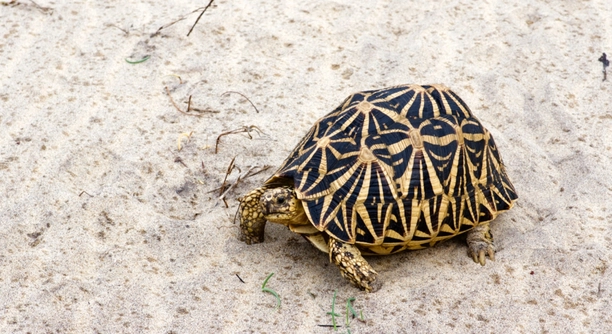
Indian star tortoises are fascinating creatures, and when it’s time for them to lay eggs, there are noticeable signs. Understanding these signals can help you provide better care for your pet during this important process.
The main signs that indicate your Indian star tortoise is ready to lay eggs include increased digging behavior, weight gain, and changes in her behavior and eating habits. These signals are important for predicting egg-laying.
By paying attention to your tortoise’s actions, you can make sure she has the right environment for this natural process. Understanding the behavior can make a big difference in her comfort.
Increased Digging Behavior
One of the first signs that your Indian star tortoise is ready to lay eggs is an increase in digging. This behavior is instinctual, as she tries to find a suitable spot to bury her eggs. You may notice her digging more frequently, especially in the areas where she feels safe and secure. This is a natural process where she is looking for a deep enough spot to lay her eggs. Sometimes, she might even push aside any substrate in her enclosure to create a nest.
If you notice your tortoise digging more than usual, it’s important to provide her with the right environment. Ensure that her enclosure has a mix of sand and soil, as it helps her dig easily. Also, make sure the area is warm enough, as a colder environment can cause stress and interfere with the egg-laying process.
A comfortable environment with plenty of digging space is key to supporting her needs. Regularly check on her digging behavior, as it will likely become more intense as egg-laying approaches.
Weight Gain
As your tortoise gets ready to lay eggs, you might notice some weight gain. This can happen because her body is preparing for the eggs to develop. It’s important to monitor her diet and make sure she is not gaining excess weight, which could lead to other health issues. Keep an eye on her behavior to ensure she remains healthy.
A slight increase in weight is normal, but if she starts gaining weight rapidly, it’s essential to check if her diet is balanced. Provide high-fiber foods and ensure she gets enough exercise, as this will help with her digestion and overall health.
Changes in Behavior
As egg-laying approaches, you may notice changes in your tortoise’s behavior. She might become more restless or anxious. Some tortoises also show signs of aggression or defensive behavior, especially when they feel their nesting site is threatened. This behavior is due to hormonal changes and the natural instincts to protect her eggs.
It’s important to give her space during this time. If she starts acting more aggressively, avoid handling her too much. Keep her enclosure calm and undisturbed. Make sure she has enough room to move around freely and find a spot where she feels safe. This will help reduce stress and make her feel more secure.
If you observe a significant change in her usual demeanor, it’s best to keep her in a quiet, peaceful environment where she can focus on preparing for her eggs. Keeping her stress-free is key during this time.
Decreased Appetite
Another sign that your tortoise is preparing to lay eggs is a noticeable decrease in appetite. You might find that she’s eating less than usual or even refusing food altogether. This can happen as she begins to feel the physical demands of egg production. During this time, her body is focused on the development of the eggs rather than consuming food.
Make sure that even if she’s eating less, she still has access to fresh water and any necessary supplements. Avoid giving her too many treats or foods that might disrupt her diet. It’s essential to maintain a balanced diet, even if she’s not eating as much. You can also try offering softer foods or moistening her meals to encourage her to eat.
While a decrease in appetite can be a normal part of the egg-laying process, it’s still important to monitor her closely. If the loss of appetite lasts for more than a few days, consult a vet to ensure that there are no underlying health issues.
Changes in Behavior Towards Nesting Sites
Your tortoise may show a strong preference for certain areas of her enclosure as she prepares to lay eggs. She might spend more time in specific corners or behind objects, indicating she’s searching for a suitable place to dig. You might also notice her digging in new spots, moving the substrate around.
It’s important to give her space and provide different nesting options. If she seems to focus on a particular area, consider adding more substrate or adjusting the environment to ensure she has enough room to dig. Keep her area clean and comfortable during this process.
Resting More Than Usual
As your tortoise gets closer to laying eggs, you may notice that she becomes less active and spends more time resting. This is because her body is focusing energy on developing the eggs. She may seek out a quiet, warm area to relax in.
This behavior is normal, and she should have a calm environment where she can rest without disturbances. Make sure she has access to a shaded spot and avoid any sudden changes in her habitat to reduce stress. Keep an eye on her energy levels to ensure she remains healthy.
Physical Changes
Some physical signs may also appear as your tortoise prepares to lay eggs. You might notice her abdomen becoming rounder or firmer. This is a clear indication that her body is developing eggs. Her shell might also feel slightly more rigid as the eggs grow inside her.
While physical changes are common during egg-laying, it’s important to monitor her closely. If you notice any signs of discomfort or irregularities, consider consulting a vet. A healthy tortoise should still be active, even if she’s less energetic than usual. These changes are a natural part of reproduction.
FAQ
What should I do if my tortoise is not laying eggs?
If your tortoise shows signs of being ready to lay eggs but doesn’t, it could be due to stress, an unsuitable environment, or health issues. First, check if her enclosure is large enough and has proper nesting spots. Make sure the temperature and humidity are at the right levels. If she still doesn’t lay eggs, consult a vet to rule out any underlying health problems.
How can I help my tortoise prepare for laying eggs?
Ensure your tortoise has access to a comfortable, safe, and quiet environment. Provide a proper nesting area with loose soil or sand, which will allow her to dig easily. Make sure the temperature is warm, as this will help her feel comfortable and ready to lay eggs. Reducing stress in her environment is crucial.
When should I be concerned about my tortoise’s behavior?
If your tortoise is acting aggressively, not eating for an extended period, or showing signs of lethargy, it may be a cause for concern. Egg-laying is a natural process, but excessive changes in behavior might indicate stress or a health issue. If her condition worsens or you are unsure, it’s best to consult a vet.
How often will my Indian star tortoise lay eggs?
Indian star tortoises typically lay eggs once or twice a year. The exact frequency depends on the individual and environmental factors, such as temperature, diet, and habitat. Make sure to observe her closely, as she might show signs of egg-laying several weeks in advance.
Is it normal for my tortoise to stop eating before laying eggs?
Yes, it’s quite common for tortoises to lose their appetite before laying eggs. This behavior occurs because her body is focused on preparing for egg production. As long as she is still drinking water and shows no other signs of distress, it’s usually a normal part of the process.
How can I tell if my tortoise is egg-bound?
If your tortoise shows signs of distress, such as straining or excessive digging without success, she may be egg-bound. Other signs include swelling of the abdomen or an inability to lay eggs after spending a long time digging. Egg-binding is a serious condition and requires immediate veterinary care.
Can I handle my tortoise while she’s preparing to lay eggs?
It’s best to avoid handling your tortoise too much while she’s preparing to lay eggs. She may become more stressed or anxious, which can interfere with her ability to lay eggs. Let her focus on finding a suitable place to dig and rest. Only handle her when absolutely necessary.
How can I create the right nesting environment for my tortoise?
Provide a deep substrate of soil and sand that’s at least 6 to 8 inches deep. She will need this depth to dig properly. Place the nesting area in a quiet, warm part of her enclosure where she feels safe. You can also offer a few hiding spots to help her feel secure while she digs.
What happens if I don’t provide a nesting site for my tortoise?
If a tortoise does not have a suitable nesting site, she may become stressed and possibly egg-bound, which can cause serious health problems. She may try to lay her eggs in inappropriate areas, or worse, keep the eggs inside. It’s essential to give her a proper nesting spot to ensure a healthy egg-laying process.
What should I do if my tortoise lays eggs in the wrong place?
If your tortoise lays eggs in an area that’s not ideal, you can gently relocate them to a suitable nesting spot. However, it’s important not to disturb them too much. If you do move the eggs, place them in a similar depth of soil or sand, making sure the conditions are warm and consistent.
Can I leave my tortoise alone while she lays eggs?
Yes, it’s generally safe to leave your tortoise alone while she lays eggs. Tortoises often prefer privacy during this time. Just make sure her environment is set up correctly with plenty of space, the right temperature, and nesting materials. Check on her periodically to ensure she’s comfortable.
How long does it take for a tortoise to lay eggs?
The egg-laying process can take several hours. Once your tortoise starts digging, it may take anywhere from a few hours to a full day to lay all the eggs. Afterward, she might spend additional time covering and securing them in the substrate. Patience is key during this process.
Are there risks in handling the eggs after my tortoise lays them?
It’s best not to handle the eggs immediately after they’re laid. Touching them can cause damage or stress the tortoise. If you need to move them, do so carefully and only if necessary. Keep the eggs in a warm, safe environment if you plan on incubating them or if they need to be relocated.
How do I know when my tortoise is done laying eggs?
Your tortoise will stop digging and may cover the eggs with soil once she’s finished laying them. She may also appear more relaxed afterward. You can observe her for signs of relief or simply check the nesting area after some time. It’s important to let her finish the process without interference.
Final Thoughts
Understanding the signs that your Indian star tortoise is ready to lay eggs is essential for her well-being. By recognizing behaviors like increased digging, changes in appetite, and shifts in her overall activity, you can make sure that she has the right environment to lay her eggs safely. It’s important to provide her with a quiet, secure space where she can dig and prepare for the process. This will help reduce any stress and allow her to focus on laying her eggs without disruption. Paying attention to these signs and making necessary adjustments to her habitat ensures that she remains healthy during this time.
While egg-laying is a natural process, it’s important to monitor your tortoise closely. Some changes in behavior, like a decrease in appetite or increased aggression, can be normal, but it’s always best to consult a vet if you’re concerned. If your tortoise seems unable to lay eggs or shows signs of distress, seeking professional advice is crucial. Egg-binding and other health issues can arise if she is not able to lay her eggs properly. Ensuring that she’s in good health before, during, and after the egg-laying process is vital for her long-term well-being.
In conclusion, being proactive and attentive to your tortoise’s needs during egg-laying can make a big difference. By providing the right environment, observing any physical or behavioral changes, and seeking help if needed, you’re ensuring that she has the best chance to lay her eggs safely. As her caretaker, your role in supporting her through this process is key. Keep her habitat comfortable, reduce any stressors, and trust that with the right care, your Indian star tortoise will lay her eggs in a safe and healthy manner.

Hello,
If you enjoy the content that we create, please consider saying a "Thank You!" by leaving a tip.
Every little bit helps us continue crafting quality advice that supports the health, happiness, and well-being of pets around the world, for pets of all shapes, sizes, and species.
We really appreciate the kindness and support that you show us!