
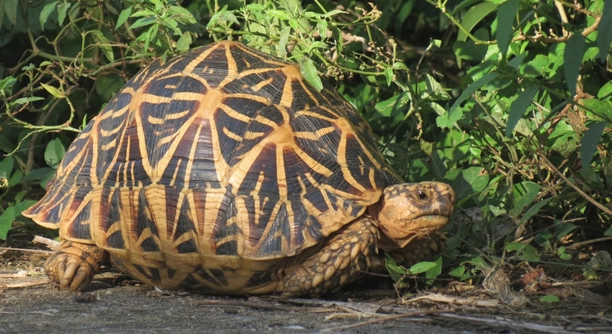
Dehydration is a serious health concern for Indian Star Tortoises, and it’s important to recognize the signs early. Tortoises can become dehydrated for several reasons, affecting their overall well-being. This guide will help you identify and treat dehydration in your pet.
Indian Star Tortoises can suffer from dehydration due to improper hydration, environmental factors, or diet. Early symptoms include lethargy, sunken eyes, and dry skin. If left untreated, dehydration can lead to serious health issues or even death.
Being aware of the signs of dehydration can help you take timely action. In this article, we’ll walk you through the symptoms and treatments to keep your tortoise healthy and hydrated.
Common Causes of Dehydration in Indian Star Tortoises
Dehydration in Indian Star Tortoises is often caused by a combination of factors, including inadequate water supply, a dry environment, or poor diet. These tortoises need access to clean water at all times. If they do not drink enough, they will not stay hydrated. A dry, hot habitat can also worsen dehydration since tortoises are more likely to lose moisture through their skin in such conditions. A lack of moisture in their diet, such as dry foods or inadequate leafy greens, can also contribute to dehydration. It’s important to check the environment regularly and adjust accordingly.
Inconsistent hydration and a dry habitat are common causes of dehydration. Make sure your tortoise has access to water and is living in a humid environment with proper temperature control.
Regular misting and ensuring their enclosure has enough moisture are easy ways to help prevent dehydration. Also, adding fresh, juicy fruits and vegetables to their diet can assist with hydration. Monitoring their water intake and adjusting the habitat accordingly can prevent further dehydration issues.
Symptoms of Dehydration in Indian Star Tortoises
If your Indian Star Tortoise is dehydrated, it may exhibit several warning signs. These symptoms are often visible and can be observed if you pay close attention to your pet’s behavior.
The main symptoms include sunken eyes, dry skin, lethargy, and a lack of appetite. If these signs appear, it’s essential to act quickly. Dehydration can lead to more severe health issues like kidney problems if left untreated. Keeping track of your tortoise’s behavior can help you identify the problem early and treat it before it gets worse.
It’s important to understand that while some symptoms, like lethargy, may be caused by other factors, dehydration can mimic them. If your tortoise appears unusually tired, stops eating, or has dry, flaky skin, dehydration is likely the issue. Checking their water supply and humidity levels is a simple yet effective first step in preventing dehydration.
How to Identify Dehydration in Indian Star Tortoises
One of the first signs of dehydration is sunken eyes. If your tortoise’s eyes appear hollow or deep-set, it’s a clear indication they may not be hydrated properly. You should also look out for dry, flaky skin.
Check their skin texture by gently touching it. Dehydration causes their skin to lose elasticity, making it feel rough or stretched. If you gently pull up the skin and it doesn’t spring back, this is another sign of dehydration. A dehydrated tortoise may also appear sluggish or lethargic. Keep an eye on their behavior, and monitor their movement for any unusual inactivity.
If you notice these signs, it’s best to check their water source and habitat conditions immediately. Dehydrated tortoises may stop eating, further weakening their health. Regular monitoring and adjustments to their environment can help prevent dehydration from becoming severe.
How to Treat Dehydration in Indian Star Tortoises
The simplest and most effective treatment for dehydration is offering water and hydrating food. You can place your tortoise in a shallow dish of water to allow them to drink and soak. This encourages hydration, as they can absorb moisture through their skin as well. Additionally, misting the enclosure with water can increase the humidity, making it easier for your tortoise to rehydrate.
Adding moist foods like cucumbers, lettuce, and watermelon to their diet can provide hydration. These foods contain high water content and help with fluid intake. Make sure to also provide a variety of leafy greens for balanced nutrition. After a day or two of treatment, you should see an improvement in their activity levels and skin condition.
Hydrating your tortoise may take a little time, but consistency is key. Ensure fresh water is available at all times and that the humidity in their enclosure is appropriately maintained. If your tortoise doesn’t show improvement or continues to appear lethargic, consult with a veterinarian for further treatment.
Preventing Dehydration in Indian Star Tortoises
To prevent dehydration, make sure your tortoise has constant access to fresh water. Place a shallow water dish in their enclosure, and clean it daily. This helps avoid bacteria buildup and encourages drinking.
Proper humidity is also essential. Mist their enclosure regularly and keep the temperature stable to maintain a comfortable environment. Indian Star Tortoises thrive in a humid, warm habitat, so replicating these conditions will significantly reduce the risk of dehydration.
Monitor their hydration levels frequently and adjust their care routine if necessary. A well-maintained habitat will keep your tortoise healthy and hydrated.
Diet and Dehydration Prevention
A well-balanced diet is crucial for hydration. Fresh vegetables, particularly those with high water content like cucumbers, leafy greens, and squash, are beneficial. These foods provide hydration in addition to essential nutrients.
Adding small amounts of fruits like watermelon can also help. However, avoid overfeeding fruits due to their sugar content. Focus on a variety of vegetables to maintain balanced hydration and nutrition for your tortoise. Regularly adjusting their diet to include hydrating foods ensures they stay hydrated and healthy.
Recognizing the Severity of Dehydration
If the symptoms of dehydration persist despite treatment, the condition may be more severe. In such cases, seeking veterinary care is critical. Your veterinarian can provide fluids through subcutaneous or intravenous methods, ensuring proper hydration levels.
At this stage, dehydration can lead to organ damage, so prompt action is essential. Veterinarians may also assess other health factors that could have contributed to dehydration. Taking immediate steps can help avoid serious complications and support your tortoise’s recovery.
FAQ
How often should I check my Indian Star Tortoise’s water?
It’s important to check your tortoise’s water at least once a day. Water should always be clean and fresh. Tortoises are sensitive to bacteria, so make sure to clean their water dish daily to prevent any contamination. A shallow dish is best, allowing them to drink and soak if needed.
Can my Indian Star Tortoise get dehydrated from soaking too much?
No, soaking does not cause dehydration. In fact, soaking is a good way to help your tortoise stay hydrated. However, make sure not to soak them in water that’s too cold or too hot. Always use lukewarm water and avoid leaving them in water for too long. A 10-15 minute soak is usually enough.
What should I do if my tortoise refuses to drink water?
If your tortoise isn’t drinking, try offering water through different methods. You can use a syringe or dropper to gently encourage them to drink. Also, soaking them in lukewarm water can help, as they can absorb moisture through their skin. If the refusal to drink continues, it’s time to consult a vet.
How do I keep my Indian Star Tortoise hydrated during the winter?
In the winter, humidity tends to drop, and your tortoise’s water needs may change. Increase the humidity in the enclosure by misting more often and consider using a humidifier if needed. Keep the water dish clean and refill it regularly. You can also add hydrating foods, like cucumber or watermelon, to their diet.
Is it normal for my tortoise’s eyes to appear sunken sometimes?
Yes, sunken eyes can sometimes occur as a temporary symptom of dehydration. If the sunken appearance is mild and resolves with proper hydration, it’s usually not a major concern. However, if the eyes remain sunken or worsen despite treatment, it could indicate more severe dehydration or another health issue, and you should contact a vet.
Can dehydration be fatal for my Indian Star Tortoise?
Yes, severe dehydration can be fatal if left untreated. If dehydration persists, it can cause kidney damage and other serious health complications. That’s why it’s crucial to act as soon as you notice symptoms like sunken eyes, dry skin, and lethargy. Early intervention can help prevent long-term damage.
How can I tell if my tortoise is drinking enough water?
You can monitor your tortoise’s hydration by checking its behavior. A well-hydrated tortoise will be active, have smooth skin, and maintain clear, non-sunken eyes. If your tortoise is consistently drinking and soaking, it’s a good sign they’re staying hydrated. If you’re unsure, consult a vet to ensure proper hydration.
What are the best foods to help my tortoise stay hydrated?
Leafy greens like romaine lettuce, kale, and dandelion greens are great for hydration. You can also offer watery vegetables such as cucumber, squash, and zucchini. Fruits like watermelon, strawberries, and cantaloupe provide extra moisture but should be fed in moderation due to their sugar content. Avoid dry foods that lack moisture, such as pellets or hay.
Can I use a water fountain for my tortoise’s hydration needs?
While a water fountain can provide a constant source of fresh water, it’s essential to clean it regularly to prevent bacteria buildup. Tortoises may not always drink from a fountain, but they might enjoy soaking in the water. If using a fountain, make sure the water level is shallow enough for your tortoise to reach.
How long can an Indian Star Tortoise go without water?
An Indian Star Tortoise can survive without water for a short period, but dehydration will set in quickly. In general, they should not go more than 24-48 hours without access to water. Extended periods of dehydration can lead to serious health issues, so it’s vital to provide water daily and monitor their hydration status regularly.
Should I provide a humidity hide for my tortoise?
Yes, a humidity hide can help your tortoise stay hydrated. This small, moist space allows them to access a more humid environment, which is important for their overall health. It’s especially useful during dry periods or colder months when the general humidity in the enclosure might be too low.
What are the signs of overhydration in Indian Star Tortoises?
Overhydration is rare in tortoises, as they are not typically prone to water intoxication. However, excessive soaking or drinking may lead to bloating, which could make your tortoise uncomfortable. If you notice your tortoise becoming lethargic or showing signs of distress after soaking, it’s a good idea to reduce the soaking time and observe them closely.
Can dehydration cause shell problems in my Indian Star Tortoise?
Yes, dehydration can lead to shell problems over time. A dehydrated tortoise may experience a softening or deforming of the shell due to the lack of necessary nutrients and moisture. It’s important to keep your tortoise hydrated to maintain a healthy, strong shell. If shell issues occur, consult a vet for advice.
How can I maintain proper temperature and humidity for my tortoise?
Maintaining proper temperature and humidity is crucial for preventing dehydration. Your tortoise’s enclosure should be kept at a temperature range of 85-90°F during the day, with a cooler area around 75°F. Humidity should be kept around 50-70%. Use a hygrometer and thermometer to monitor the environment and make adjustments as needed.
Can my tortoise’s dehydration be linked to its diet?
Yes, a poor diet can contribute to dehydration. If your tortoise is not eating enough hydrating vegetables or leafy greens, it may not be getting the moisture it needs. A diet rich in fresh, water-packed vegetables can help prevent dehydration and ensure your tortoise stays healthy.
How do I know if my tortoise’s dehydration is getting better?
Signs that your tortoise is rehydrating properly include brighter eyes, smoother skin, and more activity. If your tortoise starts eating again and appears more alert, these are good signs that it’s on the mend. Keep offering water and hydrating foods, and continue monitoring their condition.
Final Thoughts
Dehydration in Indian Star Tortoises is a serious issue that requires attention and care. Recognizing the signs early can help prevent more severe health problems. Symptoms like sunken eyes, dry skin, and lethargy are clear indicators that your tortoise may not be getting enough hydration. By observing these signs and acting quickly, you can provide the right treatment and prevent dehydration from affecting your tortoise’s health. Consistent hydration and a well-maintained environment are essential for keeping your tortoise healthy and active.
Proper hydration isn’t just about providing water. The right balance of humidity, temperature, and diet also plays a huge role. Ensuring that your tortoise has access to clean, fresh water every day is the first step. Additionally, maintaining proper humidity in the enclosure and offering water-rich foods like leafy greens, cucumber, and watermelon will support your tortoise’s hydration needs. Regularly monitoring the enclosure’s temperature and humidity levels helps prevent dehydration from happening in the first place. A little extra effort in maintaining these conditions will go a long way in keeping your tortoise happy and healthy.
If you ever notice signs of severe dehydration despite your best efforts, seeking veterinary advice is crucial. A vet can help assess the situation and offer more targeted treatments like fluids or other interventions. Early treatment ensures that dehydration does not cause long-term damage or lead to more serious complications. By staying attentive and taking action when needed, you can ensure that your Indian Star Tortoise lives a healthy, well-hydrated life.

Hello,
If you enjoy the content that we create, please consider saying a "Thank You!" by leaving a tip.
Every little bit helps us continue crafting quality advice that supports the health, happiness, and well-being of pets around the world, for pets of all shapes, sizes, and species.
We really appreciate the kindness and support that you show us!