
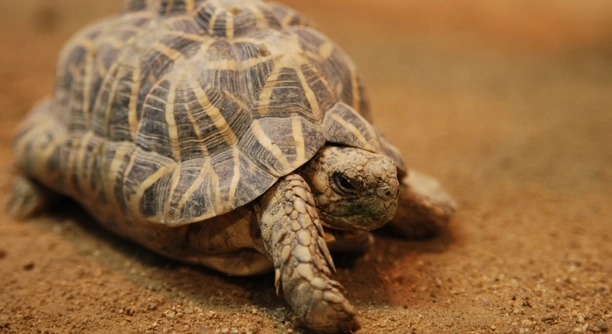
Losing weight can be concerning for your Indian star tortoise, especially when it’s not expected. Understanding the reasons behind this change in weight can help you provide better care for your pet and prevent any long-term issues.
Several factors can lead to weight loss in an Indian star tortoise, including improper diet, environmental stress, parasites, or underlying health conditions. It’s essential to carefully examine your tortoise’s habitat, food intake, and general well-being to determine the cause.
By identifying these factors, you can take the necessary steps to ensure your tortoise stays healthy. It’s important to address weight loss promptly to prevent further complications.
Improper Diet
A poor diet is one of the main reasons your Indian star tortoise could be losing weight. These tortoises require a balanced diet that includes leafy greens, grasses, and other vegetables to maintain their health. Without the proper nutrients, they can lose weight and become weaker. If your tortoise’s food intake is limited or lacks variety, it can lead to malnutrition, causing a noticeable drop in weight. Also, some tortoises can be picky eaters, so they may refuse to eat certain foods, making it harder to maintain a healthy weight.
A balanced diet is critical for your tortoise’s overall health. If the food provided is lacking in vitamins, minerals, or fiber, the weight loss could worsen over time.
Offering a variety of foods can help ensure that your tortoise is receiving all the necessary nutrients. Adding high-fiber foods like grass and dandelions promotes digestion and helps prevent weight loss. Avoid feeding them too much fruit or high-protein foods, as these can lead to health issues over time. Make sure their food is fresh and free of pesticides. Regularly monitoring their eating habits will help you catch any changes early on.
Stressful Environment
Stress is another reason why your tortoise may be losing weight. If the environment around them is too noisy, too hot, or lacks sufficient space, it could make them anxious. These environmental factors can lead to a lack of appetite, which contributes to weight loss. It’s important to create a calm and secure environment for your tortoise to feel comfortable in.
Ensuring your tortoise’s habitat is quiet, properly heated, and spacious enough for them to move around freely can reduce stress levels. A stable, peaceful environment helps them feel secure enough to eat properly and thrive.
Health Conditions
If your tortoise is losing weight, it might be due to an underlying health issue. Parasites, respiratory infections, or digestive problems can cause a loss of appetite, leading to weight loss. It’s crucial to keep an eye out for other symptoms such as lethargy, coughing, or unusual behavior. These signs can help you determine if a health problem is the cause.
Regular vet check-ups are essential to catching any health problems early. A reptile vet can check for parasites, infections, or other issues that could be affecting your tortoise’s weight. They will also help you with a treatment plan to ensure a swift recovery.
Addressing health problems quickly can prevent further complications. If your tortoise is dealing with a health condition, making sure they get the appropriate treatment will support their weight recovery. Consistent care and medication as directed by your vet can help your tortoise regain its healthy weight over time.
Temperature and Humidity Issues
Temperature and humidity levels in your tortoise’s habitat must be carefully maintained. If the temperature is too low, your tortoise may become sluggish and lose its appetite, leading to weight loss. Similarly, too high or too low humidity can cause dehydration or other issues that can impact their health. Monitoring these levels is essential for your tortoise’s overall well-being.
Maintaining a warm basking area with a temperature of around 90°F to 95°F and a cooler area at about 75°F to 80°F is ideal. Humidity should be between 50% and 70%. Consistently checking these levels ensures that your tortoise stays comfortable and healthy, reducing the risk of weight loss due to environmental stress.
Overfeeding or Wrong Diet
Overfeeding can also lead to weight problems in your tortoise. While it may seem like a good idea to give them extra food, too much can result in obesity or digestive issues. These conditions might cause them to stop eating properly, leading to weight loss later on.
When offering food, ensure it’s the right amount for your tortoise’s size and age. Avoid overloading them with high-calcium or high-protein foods, as this can affect their digestion and lead to health issues. A balanced, measured diet is key to maintaining their ideal weight.
Lack of Exercise
Tortoises need regular movement to stay healthy. Without enough exercise, they can become weak and lose weight. A lack of space to roam or not enough activity can lead to muscle loss, impacting their ability to maintain a healthy weight.
Ensure your tortoise has enough room to explore. Creating a safe, spacious enclosure will encourage natural movement, helping them stay active and support their weight maintenance.
FAQ
Why is my Indian star tortoise losing weight?
There are several reasons your Indian star tortoise could be losing weight. The most common causes are an improper diet, environmental stress, health issues, or parasites. Make sure your tortoise has a balanced diet of leafy greens, grasses, and vegetables. Check if the temperature and humidity in their enclosure are within the recommended range. Also, look for signs of illness, such as lethargy, poor appetite, or abnormal behavior, and consult a vet if needed.
Can stress cause my tortoise to lose weight?
Yes, stress can lead to weight loss in tortoises. Factors like loud noises, too many people around, or an inadequate living environment can make your tortoise anxious, causing them to eat less. Ensuring your tortoise has a calm, quiet space with proper heating and humidity will help reduce stress.
How much should I feed my tortoise?
Your tortoise should be fed based on its size, age, and activity level. For an adult Indian star tortoise, offer leafy greens, grasses, and vegetables as the main food. Offer small portions daily, aiming for variety in their diet to provide the necessary nutrients. It’s important to avoid overfeeding, as too much food can cause digestive issues and weight loss. You can offer food in small amounts and monitor their consumption.
Can parasites cause my tortoise to lose weight?
Parasites are a common cause of weight loss in tortoises. Intestinal worms or other parasites can interfere with digestion, leading to a decreased appetite and weight loss. If your tortoise is acting lethargic, not eating, or showing any abnormal behavior, a vet should perform a fecal test to check for parasites. If parasites are found, they will require medication for treatment.
What signs should I look for to know if my tortoise is sick?
Common signs of illness in a tortoise include lethargy, lack of appetite, weight loss, unusual breathing sounds, runny nose, or swollen eyes. If your tortoise is exhibiting any of these symptoms, it’s important to consult a reptile vet right away. Early detection and treatment can prevent more serious health issues.
Can the temperature in my tortoise’s enclosure affect its weight?
Yes, the temperature in your tortoise’s enclosure plays a major role in its health. If the temperature is too low, your tortoise might become sluggish and may not eat properly, leading to weight loss. On the other hand, if it’s too high, it can cause dehydration and other health issues. Maintain a basking area between 90°F and 95°F and a cooler area around 75°F to 80°F to keep your tortoise comfortable and healthy.
How can I tell if my tortoise is dehydrated?
Signs of dehydration in tortoises include sunken eyes, dry skin, and a lack of appetite. If your tortoise is drinking less water or not eating enough hydrating foods like cucumbers or watermelon, it may be dehydrated. Make sure your tortoise always has access to fresh water, and soak them in warm water for 20 minutes a few times a week to help them stay hydrated.
Is it normal for my tortoise to eat less in the winter?
Yes, it’s normal for tortoises to eat less during colder months. They are cold-blooded and may become less active as the temperature drops, which can lead to a decrease in appetite. However, if your tortoise is losing a significant amount of weight, it’s important to check for other health issues. Keep their habitat temperature stable and make sure they still have access to fresh food and water.
What should I do if my tortoise stops eating?
If your tortoise stops eating for more than a few days, it’s important to investigate the cause. Check the temperature, humidity, and cleanliness of their enclosure. Consider any changes in their environment or diet. If they’re still refusing to eat, a vet visit is necessary to rule out health problems like parasites or infections.
Can overfeeding cause my tortoise to lose weight?
Overfeeding can lead to digestive issues that may cause weight loss over time. While it might seem like overfeeding would make your tortoise gain weight, it can actually stress their digestive system, making it harder for them to absorb nutrients. Stick to a well-balanced diet with the right amount of food for your tortoise’s size and age.
How can I improve my tortoise’s appetite?
If your tortoise is not eating well, first check the food quality and variety. Offering a range of leafy greens, grasses, and safe vegetables can entice them to eat. You can also try soaking the food in water or slightly warming it to increase its appeal. Ensure their environment is stress-free and comfortable, as this can help restore their appetite.
Should I change my tortoise’s diet if it’s losing weight?
If your tortoise is losing weight, it’s important to review its diet. Ensure they’re getting a balanced variety of foods, especially high-fiber grasses and leafy greens. Adding calcium and vitamin supplements may be necessary, but it’s best to consult a vet for specific dietary recommendations if weight loss persists.
Can my tortoise lose weight due to a lack of exercise?
Yes, a lack of exercise can lead to weight loss in tortoises. They need space to move around and roam to stay physically fit. Lack of movement can result in weak muscles, which in turn can cause them to stop eating properly. Ensure your tortoise has a spacious enclosure to encourage daily movement.
Final Thoughts
Losing weight can be a serious issue for your Indian star tortoise, and it’s important to address it quickly. There are many reasons why your tortoise might be losing weight, such as improper diet, stress, health conditions, or environmental factors. By observing your tortoise’s eating habits, behavior, and surroundings, you can often identify what might be causing the problem. A healthy tortoise needs a balanced diet, a calm environment, and regular exercise to thrive. If you notice any unusual behavior or symptoms, it’s crucial to take action and consider consulting a vet for a proper diagnosis.
Maintaining the right temperature, humidity, and diet is key to your tortoise’s well-being. Make sure to provide a spacious, safe area where your tortoise can move freely. Offering a variety of food can help ensure they’re getting the nutrients they need. If they are refusing to eat or showing signs of illness, it may be time for a vet visit to rule out parasites, infections, or other health issues. Dehydration can also be a concern, so always make sure your tortoise has access to fresh water, and consider soaking them occasionally to help keep them hydrated.
Ultimately, your tortoise’s health depends on how well you care for its needs. Regularly check their environment, monitor their eating habits, and provide them with everything they need to stay active and healthy. Early detection of issues can prevent serious health problems down the road. By being proactive and staying on top of their care, you can ensure your Indian star tortoise maintains a healthy weight and lives a long, happy life. If in doubt, always reach out to a reptile vet who can offer expert guidance on how to care for your tortoise.

Hello,
If you enjoy the content that we create, please consider saying a "Thank You!" by leaving a tip.
Every little bit helps us continue crafting quality advice that supports the health, happiness, and well-being of pets around the world, for pets of all shapes, sizes, and species.
We really appreciate the kindness and support that you show us!