
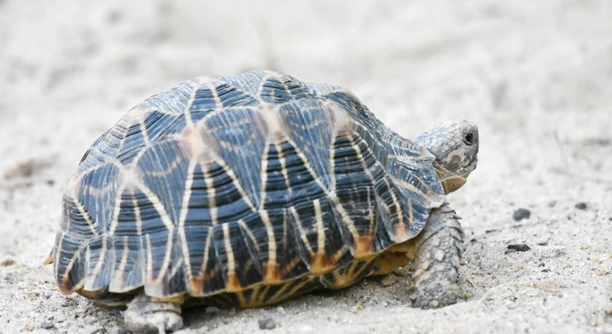
Is your Indian star tortoise refusing to drink water, leaving you concerned about its hydration? Dehydration can lead to serious health issues, making it essential to address the problem quickly. Understanding the reasons behind this behavior can help you take appropriate action.
A lack of water intake in Indian star tortoises can result from environmental factors, diet, or illness. Ensuring proper humidity, offering fresh vegetables with high water content, and providing a shallow water dish can encourage hydration and prevent potential health complications.
Identifying the cause of dehydration is crucial for your tortoise’s well-being. Learning effective solutions can help maintain its health and ensure it stays properly hydrated.
Check the Temperature and Humidity
Indian star tortoises rely on a warm, humid environment to stay healthy. If the temperature is too low or the humidity is insufficient, they may avoid drinking water. Ensuring a proper balance helps prevent dehydration and encourages natural hydration through their surroundings. Adjustments to their habitat can make a significant difference.
A temperature range of 85-90°F during the day and at least 75°F at night is ideal. Humidity levels should stay between 60-80%. A dry habitat can lead to dehydration, while excessive moisture may cause respiratory issues. Monitoring these conditions regularly ensures their well-being.
Using a high-quality thermometer and hygrometer allows for accurate readings. If humidity is too low, misting the enclosure or adding a moist hide can help. For temperature control, a heat lamp or ceramic heater works best. Providing a consistent environment supports hydration and prevents health complications.
Offer Fresh Hydrating Foods
Some tortoises get most of their hydration from their diet. Feeding them water-rich foods can encourage better hydration without forcing them to drink directly from a bowl. Leafy greens like romaine lettuce, dandelion greens, and collard greens are excellent options for increasing moisture intake.
Adding vegetables like cucumbers, zucchini, and bell peppers further supports hydration. Fruits such as watermelon and strawberries can be given occasionally for an extra boost of water content. However, fruits should be offered in moderation due to their sugar content. A well-balanced diet plays a key role in keeping your tortoise healthy.
Always provide fresh food and remove uneaten portions before they spoil. Offering a variety of hydrating foods prevents dehydration and ensures your tortoise receives the nutrients it needs. By maintaining a proper diet, you help support overall health and hydration naturally.
Provide a Shallow Water Dish
A shallow water dish allows easy access to drinking water and helps with hydration. It should be large enough for your tortoise to soak in but not too deep. Keeping it clean and refilling it regularly encourages natural drinking behavior and prevents contamination.
Placing the dish in a shaded area prevents the water from getting too warm. Tortoises may prefer slightly cool water, especially in warm climates. Ensure the dish has a gentle slope for easy entry and exit. Observing your tortoise’s behavior can help determine if adjustments are needed to encourage drinking.
Changing the water daily keeps it fresh and prevents bacterial growth. If your tortoise ignores the dish, try placing leafy greens near it or lightly misting the water. Some tortoises prefer to drink after eating, so offering water after meals can be beneficial. Simple changes can make a significant difference.
Soak Your Tortoise Regularly
Soaking your tortoise in lukewarm water helps prevent dehydration and encourages drinking. A shallow container with water up to its plastron is ideal. Letting your tortoise soak for 15-20 minutes a few times a week can improve hydration and support overall health.
Supervising the soak ensures safety and prevents accidental drowning. Use water around 85-90°F to keep your tortoise comfortable. Some tortoises may drink while soaking, absorbing water through their skin as well. If your tortoise is particularly dehydrated, increasing soaking sessions can help restore hydration more effectively.
After soaking, dry your tortoise gently before placing it back in its enclosure. Regular soaks can also aid in digestion and prevent shell issues. If your tortoise still refuses to drink, monitoring its behavior and diet will help identify other potential causes of dehydration.
Monitor for Signs of Illness
A lack of water intake may indicate an underlying health issue. Dehydration can lead to sunken eyes, dry skin, and lethargy. If your tortoise shows these symptoms, immediate action is necessary to prevent further complications and ensure proper hydration levels.
Respiratory infections, kidney problems, or parasites can cause a tortoise to stop drinking. A veterinarian can perform tests to identify any health concerns. Early detection and treatment are essential for maintaining your tortoise’s well-being and preventing long-term issues.
Reduce Stress in the Environment
Tortoises may avoid drinking if they feel stressed. Loud noises, frequent handling, or sudden habitat changes can disrupt their routine. Providing a quiet, stable environment helps them feel secure and encourages natural behaviors, including drinking and eating without hesitation.
Consider a Veterinary Check-Up
If your tortoise continues to avoid water despite adjustments, a veterinary visit is recommended. A professional can assess its health, hydration levels, and overall condition. Identifying potential medical concerns early ensures proper treatment and helps maintain long-term well-being.
FAQ
How long can an Indian star tortoise go without drinking water?
An Indian star tortoise can survive for several days without drinking water, but prolonged dehydration can lead to health issues. In warm or dry conditions, they may need water more frequently to stay hydrated. Regular soaks and access to fresh water help prevent dehydration and maintain overall health.
What are the signs of dehydration in an Indian star tortoise?
Signs of dehydration include sunken eyes, dry or flaky skin, lethargy, and reduced appetite. A dehydrated tortoise may also have thick, sticky saliva and a wrinkled appearance on its legs and neck. Regular hydration through soaks and fresh drinking water is essential to prevent severe health problems.
Why is my tortoise refusing to drink water?
A tortoise may refuse water due to stress, illness, or environmental factors. If the enclosure is too hot or lacks proper humidity, it may affect drinking behavior. Health issues such as respiratory infections or kidney problems can also cause a decrease in water intake. Monitoring behavior and making adjustments can help.
Can I force my tortoise to drink water?
Forcing a tortoise to drink is not recommended, but offering water in different ways can encourage hydration. Soaking in shallow water often stimulates drinking. Providing moisture-rich foods like cucumbers and leafy greens can also help maintain hydration levels without causing stress to the tortoise.
How often should I soak my Indian star tortoise?
Soaking two to three times a week for 15-20 minutes is usually sufficient. However, during hot weather or if your tortoise shows signs of dehydration, increasing the frequency may be necessary. Hatchlings and young tortoises benefit from more frequent soaks to ensure proper hydration and shell development.
Does diet affect my tortoise’s water intake?
Yes, diet plays a significant role in hydration. A diet consisting of mostly dry foods can lead to dehydration. Including high-moisture foods like hibiscus leaves, lettuce, and soaked hay can help maintain proper hydration. A well-balanced diet supports both digestion and overall health.
Can stress prevent my tortoise from drinking?
Stressful conditions such as excessive noise, frequent handling, or sudden environmental changes can cause a tortoise to avoid drinking. Providing a calm, stable environment with hiding spots and minimal disturbances can help reduce stress and encourage natural hydration habits.
Is misting my tortoise’s enclosure helpful?
Misting can help maintain humidity levels, especially in dry climates. While Indian star tortoises do not require extremely high humidity, a moderate level supports hydration and healthy skin. Misting should complement, not replace, direct access to fresh drinking water and regular soaking.
What temperature should my tortoise’s drinking water be?
Lukewarm or room-temperature water is ideal. Cold water can shock the tortoise’s system, while excessively warm water may discourage drinking. Keeping water at a comfortable temperature ensures your tortoise is more likely to drink and stay properly hydrated.
When should I take my tortoise to a vet for dehydration?
If your tortoise refuses to drink for an extended period, appears weak, or shows severe signs of dehydration such as sunken eyes and dry skin, a vet visit is necessary. A professional can provide fluids if needed and identify any underlying health concerns affecting hydration.
Final Thoughts
Ensuring your Indian star tortoise stays hydrated is essential for its overall health. Dehydration can lead to serious issues, including kidney problems and digestive complications. Providing access to fresh water, offering moisture-rich foods, and maintaining proper humidity levels help prevent dehydration. Regular soaks can also support hydration, especially for young tortoises. If your tortoise refuses to drink for an extended period, monitoring its behavior and adjusting environmental conditions may encourage water intake. A combination of these efforts creates a stable and healthy habitat that promotes natural drinking habits.
Observing your tortoise’s daily routine and recognizing changes in its hydration needs is crucial. Factors like temperature, diet, and stress can all impact how much water it consumes. A dry diet may require adjustments, such as incorporating leafy greens or misting the enclosure to provide additional moisture. Ensuring the water is clean and at a comfortable temperature encourages drinking. By paying attention to small details, you can help prevent dehydration and maintain your tortoise’s well-being. Regular care and simple adjustments can make a significant difference in supporting a healthy hydration routine.
If your tortoise continues to avoid drinking water despite changes in its environment, a health issue may be the cause. Dehydration symptoms like sunken eyes, lethargy, or thick saliva require immediate attention. Consulting a veterinarian can help determine if medical intervention is necessary. Preventative measures, such as providing a balanced diet and keeping a consistent care routine, reduce the risk of dehydration-related problems. A well-cared-for tortoise is more likely to stay active and thrive. By staying attentive and proactive, you can ensure your Indian star tortoise remains healthy and properly hydrated.

Hello,
If you enjoy the content that we create, please consider saying a "Thank You!" by leaving a tip.
Every little bit helps us continue crafting quality advice that supports the health, happiness, and well-being of pets around the world, for pets of all shapes, sizes, and species.
We really appreciate the kindness and support that you show us!