
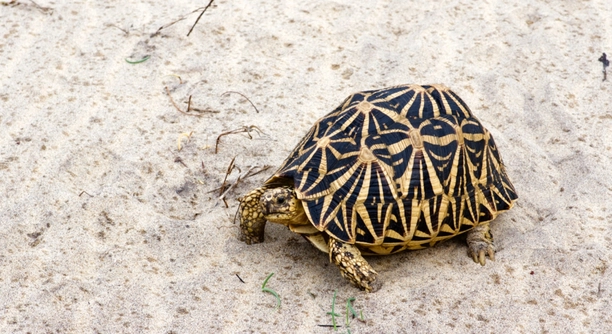
Indian Star Tortoises are unique and beautiful creatures. As with any pet, it’s important to monitor their health. Being overweight can impact their overall well-being and lead to serious health issues.
Overweight Indian Star Tortoises may show signs such as a larger body size, difficulty moving, or slower activity levels. Excess weight can cause stress on their shells and internal organs, leading to possible health problems like shell deformities.
Understanding the signs of obesity in your tortoise will help you prevent any future health issues. With proper care and diet adjustments, your pet can live a long, healthy life.
Signs Your Indian Star Tortoise Is Overweight
Overweight tortoises tend to have visible signs like a rounder, bloated body. If your tortoise seems unusually large or its shell appears to be sagging, these can be indicators of weight problems. An overweight tortoise may also show difficulty moving or may be slower than usual. Obesity can cause a range of health issues that affect the overall quality of life. This can lead to mobility issues and stress on their organs, making it harder for them to stay active and healthy.
Your tortoise’s diet plays a large role in their weight. They need a balanced diet with fresh veggies, grass, and limited high-calcium foods. Too many fruits or treats can quickly add extra weight, which isn’t always noticeable right away. Regular exercise is essential to keep them fit. Daily opportunities to roam or explore help them burn calories.
Regularly weighing your tortoise and observing their movement patterns can help you stay on top of their health. If you notice significant changes in their size or habits, it’s important to address it early. A vet can guide you in adjusting their diet and exercise routine to prevent further weight gain.
Diet and Exercise Considerations
A healthy diet is essential for preventing weight issues. The right balance of foods and activity can make a big difference.
Providing a variety of leafy greens and fresh vegetables ensures your tortoise stays full but doesn’t gain excess weight. Limit high-calcium foods and treats. Keeping your tortoise active helps in maintaining a healthy weight.
Impact of Overweight on Health
Being overweight can cause long-term damage to your tortoise. Excess fat puts pressure on their internal organs, which can lead to organ failure over time. Obesity can also affect their breathing and overall activity, reducing their life expectancy.
When tortoises gain too much weight, their shells may become deformed, as they cannot support the extra load. This puts unnecessary strain on their bones and joints. Overweight tortoises may struggle with normal movements, leading to issues with mobility. Additionally, carrying excess weight can make it more difficult for them to regulate their body temperature.
Making sure your tortoise maintains a healthy weight is essential to their long-term well-being. Weight-related health problems can be avoided with simple adjustments, including changes to their diet and more physical activity. This will help them lead a more comfortable life.
Steps to Help Your Tortoise Lose Weight
The first step is cutting back on treats and high-calcium foods. Replace them with high-fiber, low-calorie vegetables, such as leafy greens. You may also want to adjust their food portions to prevent overeating.
Increasing exercise is the next key step. Providing more opportunities for your tortoise to move, like offering free-roaming time in a secure area, will help them burn calories. Exercise, combined with a healthier diet, helps keep them active and encourages weight loss.
Sometimes, slowly reducing food intake can lead to weight loss without causing harm. Be mindful of their progress and consult with a vet for additional support.
Monitoring Weight Progress
Weighing your tortoise regularly helps track changes and ensures they’re losing weight in a safe manner. A slow, steady weight loss is ideal. Rapid weight loss can cause other health issues, so patience is key.
Using a digital scale can help you measure your tortoise’s progress accurately. Check their weight at least once a week to see if they’re maintaining a steady, healthy rate of loss. Over time, you’ll be able to spot changes in their weight, which can help you adjust their diet or activity level as needed.
Consulting a Veterinarian
If you’re unsure about your tortoise’s health, consulting a vet is essential. They can recommend a specific diet plan based on your tortoise’s needs. Vets can also check for underlying health problems caused by obesity, such as joint issues or shell deformities.
By having your tortoise evaluated by a professional, you’ll gain a clearer picture of their overall health. A vet’s advice can guide you in the right direction to help your tortoise lose weight safely and effectively, ensuring they live a longer, healthier life.
Adjusting Diet for Weight Loss
Reducing high-calorie foods and treats is crucial for weight loss. Instead, focus on offering low-calorie, nutrient-rich options like leafy greens, dandelion greens, and grass hay. Adjust their meal portions accordingly to prevent overeating.
Also, avoid feeding them sugary fruits or processed snacks, which can contribute to weight gain. Make sure they have access to clean water at all times, as hydration plays a role in digestion and overall health.
FAQ
How do I know if my Indian Star Tortoise is overweight?
You can tell if your tortoise is overweight by looking for signs such as a bloated or rounder body. If their shell appears to be sagging or if they seem slower than usual, these are indicators of weight problems. Another sign is if they have difficulty moving or lack their usual energy levels. Regularly monitoring your tortoise’s weight will help you identify if there is any excess fat accumulating.
What should I feed my Indian Star Tortoise to help them lose weight?
To help your tortoise lose weight, focus on providing low-calorie, high-fiber foods. Leafy greens, such as kale, collard greens, and dandelion leaves, are great options. You can also give them grass hay and some vegetables like zucchini or bell peppers. Avoid feeding them fruits or high-calcium foods that can contribute to excess weight gain. Stick to a healthy and balanced diet, ensuring they don’t overeat.
How much exercise does my Indian Star Tortoise need?
Your tortoise should have plenty of space to roam around, which will naturally increase their activity levels. Aim for at least 30 minutes to an hour of free-roaming time daily, especially in a safe, secure area. This will help them burn calories and maintain a healthy weight. You can also use obstacles or tunnels to encourage movement and provide mental stimulation.
Can I reduce my tortoise’s food portions to help them lose weight?
Yes, reducing food portions can help your tortoise lose weight. However, this should be done gradually to avoid causing stress. Cutting back too quickly can lead to nutritional deficiencies, so it’s important to make small adjustments over time. Monitor their weight and adjust portions accordingly. Consult a vet if you’re unsure of the correct portion size for your tortoise.
Should I be concerned if my tortoise’s shell starts to deform?
Shell deformities in overweight tortoises are common, as excess weight can put pressure on their shells and bones. If you notice any changes in shape, such as a sunken or misshapen shell, it’s crucial to consult with a vet. In many cases, proper weight management can prevent further deformities, but once a deformity occurs, it can be difficult to reverse.
How long will it take for my tortoise to lose weight?
Weight loss for tortoises should be gradual, typically taking a few weeks to a few months depending on the starting weight and the changes you’ve made to their diet and exercise routine. It’s important to focus on slow, steady progress to avoid causing harm to your tortoise. Make sure to regularly track their weight to ensure the loss is happening at a healthy rate.
Can I still give my tortoise treats?
Treats should be limited when trying to manage your tortoise’s weight. If you give treats, choose low-calorie options like small amounts of leafy greens or edible flowers. Avoid high-calcium or sugary treats, as these can contribute to weight gain. Remember, tortoises thrive on a natural diet of plants and grasses, and treats should only be an occasional addition.
Is it safe to fast my tortoise to help them lose weight?
Fasting your tortoise is not recommended as it can lead to dehydration and nutritional deficiencies. Instead, focus on providing smaller portions of healthy foods while gradually increasing exercise. If you are concerned about your tortoise’s weight, consulting with a vet can help you develop a safe, sustainable plan.
How can I monitor my tortoise’s health during weight loss?
Monitor your tortoise’s health by keeping track of their weight, activity levels, and overall behavior. If they seem lethargic, have trouble moving, or show signs of stress, it could indicate that the weight loss is happening too quickly. Regular check-ups with a vet will ensure they’re losing weight safely and maintaining overall health.
What are some common mistakes to avoid when helping my tortoise lose weight?
A common mistake is making drastic changes to their diet or exercise routine too quickly. This can cause stress and lead to negative health consequences. Another mistake is not offering enough variety in their diet, which can cause deficiencies. Ensure that their diet is balanced with a mix of fiber-rich foods, and keep them active with consistent exercise. Consult a vet if you’re unsure about the changes you’re making.
Final Thoughts
Managing your Indian Star Tortoise’s weight is crucial for their overall health and longevity. While they may seem low-maintenance, keeping an eye on their diet and exercise is essential for preventing obesity. Regularly monitoring their weight and providing the right balance of food and activity can help avoid health issues like joint pain, shell deformities, and heart disease. Just like any pet, your tortoise relies on your care to ensure they lead a long, healthy life.
Adjusting your tortoise’s food and ensuring they get enough exercise might take some time, but the results will show. It’s important not to rush the process; gradual weight loss is key. Overfeeding or offering treats too often can lead to weight gain, which can then lead to complications. Consistency is the key, and small adjustments to their diet and routine can make a big difference. Make sure to provide a safe and spacious environment for them to roam around, which will help keep them active.
Lastly, don’t hesitate to consult a veterinarian if you’re unsure about how to manage your tortoise’s weight. They can offer tailored advice based on your tortoise’s age, health, and size. Regular vet check-ups can also catch potential issues early. In the end, a healthy tortoise is a happy tortoise, and by following these tips, you’re ensuring your pet has a balanced and enjoyable life.

Hello,
If you enjoy the content that we create, please consider saying a "Thank You!" by leaving a tip.
Every little bit helps us continue crafting quality advice that supports the health, happiness, and well-being of pets around the world, for pets of all shapes, sizes, and species.
We really appreciate the kindness and support that you show us!