
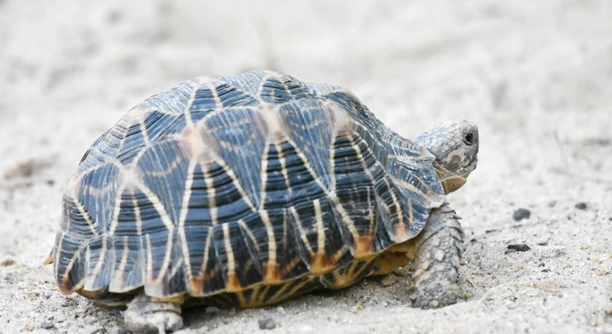
Is your Indian star tortoise struggling with overheating, making it difficult to keep them comfortable? Proper temperature regulation is essential for their well-being, as excessive heat can lead to dehydration, stress, and severe health issues if not managed correctly.
The most effective way to prevent overheating in an Indian star tortoise is by maintaining an optimal habitat temperature. Providing adequate shade, using a temperature-regulated basking area, and ensuring proper hydration can help prevent heat-related stress and health complications.
Understanding these essential care tips will help create a safe and comfortable environment for your tortoise. Let’s explore the best ways to keep your pet healthy and stress-free.
Understanding the Risks of Overheating
Indian star tortoises are sensitive to high temperatures, making it important to monitor their environment carefully. Prolonged exposure to excessive heat can cause dehydration, lethargy, and even life-threatening conditions. Their natural habitat includes shaded areas, allowing them to regulate their body temperature as needed. Without proper temperature control, they may experience stress, loss of appetite, and difficulty breathing. Heat stroke is a serious risk, especially in enclosures that lack proper ventilation. Recognizing the signs of overheating early is essential to keeping them safe. Ensuring a well-balanced temperature in their enclosure will help prevent health complications.
If your tortoise appears sluggish, is excessively panting, or is avoiding its basking area, it may be overheating. Acting quickly to cool them down can prevent serious health risks. Keeping water accessible and providing shaded areas will help them regulate their body temperature effectively.
Making small adjustments to their enclosure can significantly reduce overheating risks. Using a thermometer to monitor temperature levels, ensuring proper hydration, and offering cool hiding spots will help maintain a stable environment. These simple steps can make a big difference in your tortoise’s overall health and comfort.
7 Tips to Keep Your Indian Star Tortoise Cool
Keeping your tortoise cool requires consistent temperature management. Providing shaded areas, proper ventilation, and access to fresh water will help prevent overheating. Small changes in their habitat can make a big impact on their well-being.
- Provide a Shaded Area: Ensure there is a shaded spot in the enclosure to help your tortoise escape direct sunlight.
- Use a Thermometer: Regularly monitor the temperature to maintain a comfortable range between 75-85°F.
- Offer Fresh Water Daily: Keeping a shallow water dish available allows your tortoise to stay hydrated and cool down when needed.
- Create a Cooling Spot: A damp hide or burrow can help regulate body temperature during hot weather.
- Avoid Overexposure to Heat Lamps: Ensure basking areas do not exceed 95°F and provide an area to retreat from direct heat.
- Increase Air Circulation: Good ventilation reduces heat buildup and helps maintain a stable temperature.
- Mist the Enclosure Lightly: Spraying a fine mist in their habitat can help lower the temperature and provide some relief on hotter days.
Taking these precautions will help create a safe and comfortable environment for your Indian star tortoise. Monitoring their behavior and making adjustments as needed will ensure they remain healthy and stress-free.
Signs Your Indian Star Tortoise Is Overheating
Lethargy, excessive panting, and loss of appetite are common signs of overheating. A tortoise that avoids movement, stays in shaded areas for long periods, or refuses food may be struggling with high temperatures. Immediate action is necessary to prevent serious health complications.
If your tortoise is breathing heavily with its mouth open or showing signs of weakness, it may be overheating. Disorientation, unresponsiveness, and a dry, flaky shell indicate severe heat stress. A tortoise in distress may also stretch out its limbs or dig frantically to escape the heat. These behaviors should not be ignored, as prolonged exposure to high temperatures can lead to dehydration and heatstroke. Keeping a close eye on their activity levels will help identify issues early.
Providing immediate relief is crucial when signs of overheating appear. Move your tortoise to a shaded, cooler area and offer fresh water. A shallow soak in lukewarm water can help regulate body temperature. Avoid using cold water, as sudden temperature changes may cause shock. Adjust their enclosure by improving ventilation and reducing direct heat exposure. Making these changes quickly can prevent further complications and keep your tortoise comfortable.
Adjusting the Enclosure for Temperature Control
Proper ventilation is essential for maintaining a stable temperature in your tortoise’s enclosure. Stagnant air can trap heat, making it difficult for your tortoise to cool down. Mesh lids, open sides, or a small fan can improve airflow without causing excessive dryness.
The enclosure should have temperature gradients, allowing your tortoise to move between warmer and cooler areas. Use a thermometer to monitor the warm and cool zones, ensuring the basking spot does not exceed 95°F. A hiding area filled with damp moss or soil provides a natural cooling option. Avoid placing the enclosure in direct sunlight, as glass and plastic can trap heat and create dangerously high temperatures. Substrate choices also matter—sand and dark-colored materials retain heat, while light-colored soil helps regulate temperature more effectively.
Using heat sources correctly prevents overheating. Place basking lamps at a safe distance and limit their use during the hottest parts of the day. Ceramic heat emitters provide warmth without excess light, making them a better option in warmer climates. If your tortoise’s enclosure is outdoors, partial covering with shade cloth or natural plants can help regulate heat levels. Regular monitoring and adjustments will keep the environment safe and comfortable.
Choosing the Right Substrate
The type of substrate affects temperature regulation. Sand and dark-colored materials absorb heat quickly, increasing the risk of overheating. A mix of soil and coconut coir helps maintain stable temperatures and provides a comfortable surface. Avoid artificial mats, as they can trap heat and cause discomfort.
Moisture-retaining substrates offer natural cooling benefits. Adding a layer of damp moss in shaded areas helps create a humid microclimate. This is especially useful in dry environments where humidity levels drop. Regularly misting the substrate prevents excessive dryness while keeping the enclosure comfortable for your tortoise.
Providing Proper Hydration
Dehydration increases the risk of overheating. A shallow water dish should always be available for drinking and soaking. Replace the water daily to keep it clean. Regular soaks in lukewarm water help maintain hydration and allow your tortoise to cool down naturally.
Adjusting Outdoor Habitats
Outdoor enclosures need shaded areas to prevent overheating. Natural plants, shade cloth, or covered hideouts help reduce direct sun exposure. Checking ground temperatures is important, as soil and rocks can retain heat. If necessary, misting the area lightly can help keep the space cooler.
FAQ
What is the ideal temperature range for my Indian star tortoise?
The ideal temperature range for an Indian star tortoise is between 75°F and 85°F. The basking area should be around 90-95°F, while the cooler side of the enclosure can be around 75°F. Temperature gradients are key to allowing your tortoise to regulate its body temperature. It’s important to avoid drastic fluctuations in temperature, as these can cause stress and health issues.
How can I cool down my tortoise if it’s overheating?
If your tortoise is overheating, move it to a cooler, shaded area immediately. You can offer a shallow soak in lukewarm water, but make sure the water is not too cold, as sudden temperature changes can shock them. Ensure plenty of fresh drinking water is available to keep them hydrated.
Is it safe to leave my tortoise outside during the summer?
It’s safe to leave your tortoise outside in a secure, shaded enclosure during the summer, but be cautious of high heat. Ensure they have access to a cooler area where they can escape the sun and monitor them regularly for signs of overheating. If the temperature exceeds 90°F, it’s best to bring them indoors.
How often should I mist my tortoise’s enclosure?
Misting your tortoise’s enclosure once or twice a day is generally enough. The frequency may vary depending on the humidity levels in your area. If you live in a dry climate, you might need to mist more often to prevent dehydration and help with temperature regulation.
Can I use ice or cold water to cool my tortoise down?
No, it’s best to avoid using ice or cold water to cool your tortoise down. Sudden temperature changes can cause shock and stress. Instead, use lukewarm water for soaking and ensure they have access to a cool, shaded area to rest.
How do I know if my tortoise is too hot?
Signs that your tortoise is too hot include excessive panting, sluggish behavior, and avoiding its basking area. If your tortoise appears weak or lethargic, it’s important to move them to a cooler location immediately. Also, monitor their water intake and behavior closely.
What type of substrate is best to keep the enclosure cool?
A mix of coconut coir and soil is ideal for keeping the temperature stable. These materials help maintain moisture and provide a comfortable surface. Avoid sand or dark-colored substrates, as they retain heat, which can lead to overheating. The substrate should also be easily cleaned to prevent the buildup of bacteria.
How can I provide shade in an outdoor enclosure?
You can provide shade using natural plants, shade cloth, or even a wooden hideout. Be sure to monitor the area throughout the day to ensure that your tortoise has access to shade when the sun is at its peak. The shaded area should be cool and comfortable for your tortoise to retreat to during hot weather.
Can my tortoise get heat stroke?
Yes, heat stroke is a serious risk for tortoises if they are exposed to high temperatures for too long. Signs of heat stroke include lethargy, excessive panting, and disorientation. If your tortoise shows any of these symptoms, move them to a cooler area, hydrate them, and seek veterinary attention if necessary.
Is it okay for my tortoise to bask in direct sunlight?
Yes, Indian star tortoises need access to direct sunlight or UVB lighting to help them process calcium and maintain a healthy shell. However, it’s essential to provide a shaded area so they can regulate their body temperature. Always ensure that they are not exposed to the sun for prolonged periods without an option to cool down.
How do I prevent my tortoise from overheating in a tank?
To prevent overheating in a tank, use a heat lamp with a timer to regulate the basking area temperature. Make sure the tank has proper ventilation to allow airflow and avoid trapping heat. Keep the tank out of direct sunlight and monitor the temperature regularly with a thermometer to ensure it stays within the safe range.
Should I change the water in my tortoise’s dish every day?
Yes, it’s important to change the water in your tortoise’s dish daily. Stale water can lead to bacteria growth, which can affect your tortoise’s health. Fresh water ensures that your tortoise stays hydrated and can help them cool down when needed.
Can I use a fan to cool down my tortoise’s enclosure?
A fan can help improve ventilation and prevent the enclosure from becoming too hot. However, it’s important not to place the fan too close, as it can dry out the enclosure. Make sure the fan is used to enhance airflow rather than as a primary cooling method.
How can I ensure my tortoise is staying hydrated?
In addition to providing fresh water daily, you can soak your tortoise in lukewarm water for 10-15 minutes a few times a week. This helps with hydration and cooling, especially during hot weather. If your tortoise seems reluctant to drink, soaking can also encourage them to hydrate.
What are the best ways to control humidity in my tortoise’s enclosure?
Maintaining humidity is important for your tortoise’s health. You can control humidity by misting the enclosure and using moisture-retaining substrates like coconut coir. If the humidity is too low, you can use a humidifier or create a small water dish that will help keep the air moisture levels consistent.
How can I prevent dehydration during hot weather?
Offer fresh water at all times and ensure your tortoise has access to a cool, shaded area. Soaking your tortoise in lukewarm water can help with hydration, especially during extreme heat. Always monitor your tortoise for signs of dehydration, like dry skin or a lack of appetite.
Can I use a ceramic heat emitter instead of a basking lamp?
Yes, ceramic heat emitters are a good alternative to basking lamps. They provide heat without emitting light, which is useful for tortoises that need warmth but not excessive light. They also help to maintain a stable temperature without the risk of overheating that sometimes comes with traditional basking lamps.
Final Thoughts
Taking care of an Indian star tortoise involves ensuring they are comfortable and healthy in their environment. One of the most important factors in maintaining their well-being is preventing overheating. Overheating can cause serious health problems and stress, which can affect their overall quality of life. By understanding their needs and providing the right care, you can help your tortoise thrive in a safe and comfortable environment.
Managing temperature and humidity in their habitat is essential. Providing a proper temperature gradient, with a warm basking area and a cooler side, allows your tortoise to regulate its body temperature naturally. Additionally, making sure they have access to fresh water, a shaded area, and proper ventilation can help prevent overheating. A secure and calm space for your tortoise, free from extreme temperature fluctuations, ensures that they stay hydrated and comfortable throughout the day.
Overall, keeping your Indian star tortoise in a well-regulated environment, where temperature and hydration are carefully monitored, is crucial for its health. By staying vigilant and attentive to their specific needs, you are taking the necessary steps to keep your tortoise safe. Regular checks on their behavior and surroundings can help you catch any signs of stress early, ensuring that they live a long and healthy life.

Hello,
If you enjoy the content that we create, please consider saying a "Thank You!" by leaving a tip.
Every little bit helps us continue crafting quality advice that supports the health, happiness, and well-being of pets around the world, for pets of all shapes, sizes, and species.
We really appreciate the kindness and support that you show us!