
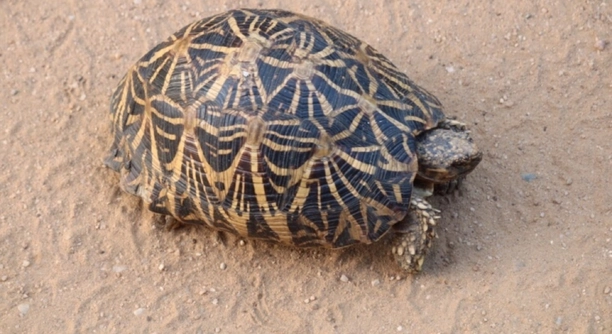
Do you ever find yourself wondering if your Indian Star Tortoise is getting enough water to stay healthy and hydrated?
Ensuring proper hydration for your Indian Star Tortoise requires maintaining appropriate humidity levels, providing fresh drinking water, and offering moisture-rich foods. These steps help prevent dehydration, kidney issues, and other health concerns associated with insufficient water intake.
Understanding these hydration techniques will help your tortoise thrive in captivity while supporting its overall well-being and longevity.
Provide Fresh Water Daily
Indian Star Tortoises need constant access to clean, fresh water. Even though they come from dry environments, they still require hydration to stay healthy. Dehydration can lead to kidney problems, shell deformities, and overall weakness. A shallow dish of water should always be available in their enclosure. Ensure the water is clean and changed daily to prevent bacteria buildup. Some tortoises may drink directly, while others absorb moisture through soaking. Placing the dish in a shaded area helps keep the water cool. Using a wide, shallow bowl prevents accidental tipping and makes drinking easier.
A proper water dish encourages your tortoise to stay hydrated. If the water is dirty, they may avoid drinking, which can lead to dehydration. Always check the water level throughout the day.
Along with drinking water, occasional warm soaks help with hydration. This also supports healthy shedding and prevents dry, flaky skin.
Maintain Proper Humidity
Humidity plays a key role in keeping your tortoise hydrated. Low humidity levels can cause dehydration and lead to pyramiding, a condition where the shell grows unevenly. Indian Star Tortoises thrive in an environment with 60-80% humidity.
To maintain proper humidity, mist the enclosure daily and use a substrate that retains moisture, such as coconut coir or cypress mulch. Adding a humid hide can provide a damp retreat where your tortoise can absorb moisture. Ensure the enclosure is well-ventilated to prevent mold growth. Monitoring humidity levels with a hygrometer helps keep conditions stable.
If the enclosure is too dry, your tortoise may struggle with shedding and experience dry, flaky skin. A well-balanced humidity level promotes healthy growth and prevents respiratory issues. Simple adjustments, such as misting more frequently or using a damp substrate, can make a big difference in their hydration.
Offer Moisture-Rich Foods
Feeding moisture-rich foods helps keep your tortoise hydrated. Leafy greens, such as dandelion and romaine lettuce, provide both nutrients and water. Fruits like watermelon and cucumber can be given occasionally but should not replace their regular diet. Always wash produce to remove pesticides.
Including vegetables with high water content ensures your tortoise gets additional hydration. Bell peppers, zucchini, and aloe vera are great options. Avoid feeding too many fruits since their sugar content can cause digestive issues. A balanced diet with hydration-friendly foods supports overall health. Providing fresh food daily prevents dehydration and encourages natural foraging behavior.
Soaking leafy greens in water before feeding can increase moisture intake. Mixing different greens keeps meals interesting and varied. If your tortoise is not drinking enough, adding hydrating foods to their diet helps maintain proper water levels. This small adjustment makes a big difference.
Soak Your Tortoise Regularly
Soaking your tortoise in shallow, lukewarm water helps with hydration. Young tortoises should be soaked three to four times a week, while adults benefit from weekly soaks. This process allows them to absorb water through their skin and drink in a stress-free environment.
A ten to fifteen-minute soak encourages proper hydration and aids digestion. The water should be shallow, reaching just under their chin. Using a separate container prevents contamination from enclosure debris. If your tortoise is reluctant, gentle encouragement can help them feel comfortable. Regular soaks also support shedding and keep their skin healthy.
After soaking, dry your tortoise before placing them back in their enclosure. This prevents excessive moisture buildup, which can lead to shell rot. Soaking is an easy way to ensure hydration, especially for tortoises that do not drink frequently. It also helps prevent constipation and improves overall well-being.
Use a Proper Water Dish
A shallow, sturdy water dish prevents spills and allows easy access. It should be large enough for soaking but not too deep, as tortoises can struggle in deep water. Regular cleaning prevents algae and bacteria buildup, keeping the water safe for drinking.
Placing the dish in a shaded area helps keep the water cool. If the enclosure is too dry, consider adding a second dish to increase humidity. Avoid using metal bowls, as they can heat up quickly under a lamp. A well-placed, clean water dish encourages consistent hydration.
Avoid Dehydration Risks
Dehydration can cause serious health issues, including lethargy, sunken eyes, and dry skin. If your tortoise shows these signs, immediate action is needed. Increasing soaks, offering moisture-rich foods, and adjusting humidity can help. Long-term dehydration can lead to kidney damage, so maintaining proper hydration daily is essential for their well-being.
Monitor Hydration Levels
Checking for signs of dehydration helps prevent health issues. A hydrated tortoise has bright, clear eyes and smooth skin. If they seem sluggish or their skin appears wrinkled, they may need more water. Regular observation ensures your tortoise stays healthy and properly hydrated.
FAQ
How often should I change my tortoise’s water?
Water should be changed daily to keep it fresh and clean. Dirty water can lead to bacteria growth, making your tortoise sick. If the water gets soiled with food or waste, replace it immediately. A clean water source encourages proper hydration.
Can I use tap water for my tortoise?
Tap water is usually safe, but it may contain chlorine or other chemicals. Using a water conditioner removes harmful substances. If your tap water has high mineral content, filtered or dechlorinated water is a better choice. Ensuring clean water helps prevent health issues.
How do I know if my tortoise is dehydrated?
Signs of dehydration include sunken eyes, dry or flaky skin, and lethargy. A dehydrated tortoise may also have thick, sticky saliva. If you notice these symptoms, increase soaking, offer moisture-rich foods, and check humidity levels to help them recover.
What is the best humidity level for an Indian Star Tortoise?
The ideal humidity level is between 60-80%. If it’s too low, your tortoise may struggle with shedding and hydration. A hygrometer helps monitor levels. Adjusting misting frequency and using moisture-retaining substrate can keep humidity stable and support overall health.
Should I mist my tortoise’s enclosure?
Misting helps maintain proper humidity but should not make the enclosure too damp. Light misting once or twice a day is enough. Focus on the substrate and hide areas rather than directly spraying your tortoise. A balanced approach keeps conditions comfortable.
Can tortoises drink too much water?
Overhydration is rare, but excessive water intake may indicate a health issue. If your tortoise drinks excessively or urinates frequently, consult a reptile vet. Normally, they self-regulate their water intake based on their needs.
What foods help with hydration?
Leafy greens like romaine lettuce, dandelion, and collard greens have high water content. Vegetables such as bell peppers, zucchini, and cucumber also provide moisture. Fruits like watermelon can be given occasionally but should not be a primary food source due to sugar content.
How often should I soak my tortoise?
Young tortoises should be soaked three to four times a week, while adults benefit from weekly soaks. If your tortoise is showing signs of dehydration, increasing the frequency can help. Regular soaks ensure proper hydration and aid digestion.
Can I use a deep water dish?
A deep dish can be dangerous, as tortoises are not strong swimmers. A shallow dish allows easy access while preventing drowning risks. The water should be just deep enough for drinking and light soaking, ensuring safety and hydration.
Is bottled water better for my tortoise?
Bottled water is safe but not always necessary. If your tap water is treated with chlorine, using a water conditioner or letting it sit for 24 hours before use works just as well. Filtered or dechlorinated water is ideal for long-term hydration.
Why is my tortoise not drinking water?
Some tortoises prefer to get moisture from food or soaks rather than directly drinking. If your tortoise avoids water, offer hydrating foods and ensure proper humidity levels. Observing their behavior over time helps determine their preferred hydration method.
Does my tortoise need a humid hide?
A humid hide provides a moist area where your tortoise can regulate hydration. It is especially useful in dry environments. Using damp moss or coconut fiber inside the hide helps maintain proper moisture levels while preventing dehydration-related issues.
What happens if my tortoise stays dry for too long?
Prolonged dryness can lead to dehydration, kidney problems, and shell deformities. If the enclosure lacks proper humidity, adjust misting and provide regular soaks. A well-balanced environment prevents long-term health complications.
Can I bathe my tortoise in soapy water?
Never use soap or chemicals when soaking your tortoise. Plain, lukewarm water is enough to keep them hydrated and clean. If your tortoise has dirt buildup, gently wiping with a soft brush during soaking helps without harming their skin or shell.
Do tortoises absorb water through their skin?
Yes, they can absorb some water through their skin and cloaca during soaking. This is why regular soaks are beneficial, especially for tortoises that do not drink frequently. Soaking also helps maintain healthy hydration levels.
Should I provide multiple water dishes?
Having more than one water dish can be helpful in large enclosures. It increases access to fresh water and helps maintain humidity. If your tortoise frequently tips over its dish, placing a second one in a different location ensures constant hydration.
What type of substrate helps with hydration?
Coconut coir, cypress mulch, and sphagnum moss retain moisture well and help maintain humidity. A good substrate prevents excessive dryness and supports a healthy enclosure environment. Avoid overly dry materials like sand, which can contribute to dehydration.
Does hydration affect my tortoise’s digestion?
Yes, proper hydration aids digestion and prevents constipation. Dehydrated tortoises may struggle with passing waste, leading to health issues. Providing fresh water, moisture-rich foods, and regular soaks keeps their digestive system functioning properly.
Why does my tortoise urinate a lot after soaking?
Soaking stimulates their system, helping them eliminate waste and excess fluids. This is normal and helps flush out toxins. If urination seems excessive or unusual, it could indicate a health concern requiring veterinary attention.
Final Thoughts
Keeping your Indian Star Tortoise properly hydrated is essential for its overall health. Providing fresh water daily, maintaining proper humidity, and offering moisture-rich foods are simple but effective ways to ensure they stay hydrated. Regular soaks also help prevent dehydration and support digestion. Monitoring their hydration levels by observing their skin, eyes, and activity can prevent serious health issues. Small adjustments, like misting the enclosure or soaking leafy greens before feeding, can make a big difference in maintaining hydration. Consistency in these practices will help your tortoise thrive in its environment.
A well-hydrated tortoise is more active, has a healthier shell, and is less prone to illnesses. Dehydration can lead to kidney damage, shell deformities, and digestive problems, so taking preventive measures is always better than treating health issues later. Using a shallow water dish, providing a humid hide, and choosing the right substrate can all contribute to a well-balanced environment. If you ever notice signs of dehydration, acting quickly by increasing soaks or adjusting their diet can help restore proper hydration. Each tortoise has unique needs, so paying attention to their habits will help you understand the best way to keep them healthy.
Caring for an Indian Star Tortoise requires patience and consistency, especially when it comes to hydration. Simple daily routines like refreshing their water, misting their enclosure, and feeding them hydrating foods will support their well-being in the long run. By taking these steps, you create a comfortable and safe habitat where your tortoise can grow and live a healthy life.

Hello,
If you enjoy the content that we create, please consider saying a "Thank You!" by leaving a tip.
Every little bit helps us continue crafting quality advice that supports the health, happiness, and well-being of pets around the world, for pets of all shapes, sizes, and species.
We really appreciate the kindness and support that you show us!