
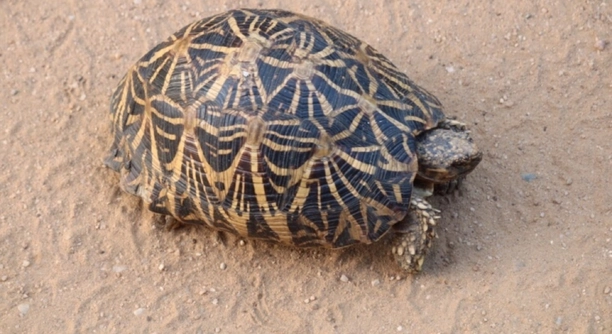
If you have an Indian Star Tortoise as a pet, ensuring its well-being is key to its long-term health. A stress-free tortoise will be active and content in its environment, giving you peace of mind.
To tell if your Indian Star Tortoise is stress-free, observe its behavior closely. A healthy tortoise will display signs such as active movement, proper feeding habits, and a calm demeanor. Stress manifests through changes in these behaviors, indicating discomfort.
Keeping your tortoise stress-free requires awareness of their needs. Identifying the signs early will help maintain a healthy and happy pet.
Recognizing the Signs of Stress in Your Indian Star Tortoise
Indian Star Tortoises are usually calm and slow-moving, but stress can affect their behavior. Stress can stem from several factors, including poor habitat conditions, inappropriate temperature, or a lack of food. A stressed tortoise might exhibit behaviors such as excessive hiding, lethargy, or loss of appetite. Physical symptoms like weight loss or changes in their shell color are also key signs.
If your tortoise isn’t eating regularly or avoids interaction, something may be wrong. Changes in behavior such as reduced mobility or hiding more often indicate that your pet is not at ease. Pay attention to these shifts to ensure it’s not stressed.
It’s important to maintain a stable environment for your tortoise. Adequate space, consistent temperature, and a balanced diet are essential for reducing stress. Monitor its behavior closely, and any signs of stress should be addressed immediately to avoid long-term health issues. Consistency is key to keeping your tortoise relaxed and healthy.
The Impact of Temperature on Your Tortoise’s Stress Levels
Temperature is one of the most crucial factors influencing the stress levels of an Indian Star Tortoise. The ideal temperature range for your tortoise is between 80°F and 90°F during the day, with a slight drop at night. A habitat that’s too hot or too cold can cause your tortoise to become stressed and uncomfortable.
If your tortoise seems sluggish or refuses to eat, it may be due to improper temperature. Tortoises require warmth to digest food and maintain energy levels, so fluctuations in temperature can quickly cause stress. Ensure you provide a heat source that keeps the habitat within the right range to help your pet feel at ease.
Additionally, temperature also affects their activity. When the enclosure temperature is too low, your tortoise may become lethargic and stop moving around, leading to frustration and discomfort. This prolonged lack of activity could weaken the immune system over time. Ensuring your tortoise’s habitat stays within the ideal temperature range will promote its overall health and happiness.
Diet and Its Role in Stress Relief
A balanced diet is essential for reducing stress in your Indian Star Tortoise. A lack of variety or improper nutrition can quickly lead to changes in behavior. Make sure to provide a mixture of leafy greens, vegetables, and some fruits to ensure proper hydration and digestion.
If your tortoise is not eating properly, stress could be the underlying cause. Ensure fresh food is always available and remove any uneaten items promptly to avoid contamination. You can also introduce foods rich in fiber, which can aid digestion and prevent constipation—both common stress factors in tortoises.
Over time, improper feeding habits can contribute to health problems, which in turn can exacerbate stress. Ensure you’re offering the right food combinations and monitor your tortoise’s eating habits closely. Changes in diet might be necessary if stress is affecting its appetite, but consistency and care will allow your tortoise to thrive.
Socialization and Handling
How you handle your tortoise can significantly affect its stress levels. Tortoises are solitary animals, so excessive handling or disturbance can cause stress. Limit handling to essential interactions and avoid picking it up unnecessarily.
However, some level of interaction is important for socialization. A tortoise can become more accustomed to you over time if interactions are calm and infrequent. Always make sure to handle your tortoise gently and keep it on a stable surface. Excessive physical stress can lead to long-term behavioral issues, such as becoming aggressive or overly shy.
Gradually building trust through calm and minimal contact will help your tortoise feel safe in its environment. With patience and respect for its boundaries, it can become comfortable and stress-free, enjoying the stability of its space without feeling threatened.
Enclosure Size and Stress Levels
An inadequate enclosure size can contribute to your tortoise’s stress. Indian Star Tortoises need enough space to move around and explore. A cramped space can restrict their natural behavior, leading to frustration.
Ensure your tortoise has a large enough area to roam and hide. This freedom will help reduce feelings of stress. A proper-sized enclosure should allow room for your tortoise to stretch and engage in its natural behaviors, such as foraging or climbing. The more space you provide, the more comfortable your tortoise will feel.
Cleanliness and Habitat Maintenance
A clean and well-maintained habitat is essential for stress reduction. Regularly remove uneaten food, waste, and clean the water dish. Dirty environments can cause health issues, which will contribute to stress.
Ensure that you are maintaining the proper humidity levels and provide a clean, safe environment for your tortoise to thrive. Regular habitat checks will help ensure that your pet stays healthy and relaxed.
Veterinary Care and Stress Prevention
Routine veterinary visits play a significant role in preventing stress in your Indian Star Tortoise. Regular check-ups will ensure that any health issues are identified early, minimizing potential stress. It’s important to keep up with any vaccinations and parasite treatments to maintain a healthy immune system.
A stressed tortoise may show signs of illness or discomfort, and professional care is crucial to address underlying problems. Taking your tortoise to the vet regularly will ensure it remains in good health and prevent stress caused by undiagnosed health issues.
FAQ
How can I tell if my Indian Star Tortoise is stressed?
Stress in an Indian Star Tortoise can be noticed through changes in behavior. If your tortoise is not eating, hiding more than usual, or moving less frequently, it may be experiencing stress. A stressed tortoise may also display more aggressive behavior or show signs of weight loss. Pay attention to these changes and ensure the environment is stable.
What are the most common causes of stress for Indian Star Tortoises?
Indian Star Tortoises can experience stress from improper habitat conditions, temperature fluctuations, inadequate food, or lack of space. Overhandling, changes in their routine, and an unclean environment are also common contributors. Identifying the root cause of stress is crucial to resolving the issue.
How often should I handle my Indian Star Tortoise?
Handling should be minimal to prevent stress. Indian Star Tortoises are solitary animals and do not require constant interaction. You can handle your tortoise for short periods, but avoid frequent or rough handling. Always ensure that your tortoise feels comfortable and secure during these interactions.
Can stress lead to health problems in my Indian Star Tortoise?
Yes, prolonged stress can negatively affect your tortoise’s health. Stress weakens the immune system, making it more susceptible to infections and illnesses. It can also cause digestive issues, loss of appetite, and even behavioral problems. Reducing stress will improve its overall health and well-being.
What temperature should my tortoise’s habitat be?
The temperature should remain between 80°F and 90°F during the day, with a slight drop at night. It’s essential to provide a heat source, such as a heat lamp or ceramic heater, to maintain this temperature range. A proper temperature is crucial for digestion and overall comfort.
What type of food should I give my Indian Star Tortoise?
A balanced diet for your tortoise includes leafy greens, vegetables, and some fruits. You can feed them food like dandelion greens, collard greens, and turnip greens. Avoid feeding them high-protein foods, as they can lead to health issues. Make sure the food is fresh and free from pesticides.
How can I make my tortoise’s enclosure more comfortable?
Ensure your tortoise has enough space to roam, with hiding spots and a variety of textures like rocks or branches to climb on. Use natural substrates, such as coconut fiber or grass hay, and provide both dry and humid areas. A clean environment with proper lighting and heat sources is essential for comfort.
Is it okay to bathe my Indian Star Tortoise?
Yes, you can bathe your tortoise, but only occasionally. A shallow bath with warm water helps keep them hydrated and clean. Never leave your tortoise unattended in the water, and ensure the water level is not too high. After the bath, gently dry your tortoise with a soft towel.
Can stress affect my tortoise’s shell?
Yes, stress can affect your tortoise’s shell over time. A stressed tortoise may stop eating properly, leading to malnourishment, which can cause its shell to become softer and more prone to damage. Keep the environment stress-free to maintain a healthy shell.
How much space does my Indian Star Tortoise need?
Your tortoise needs plenty of space to move around freely. The minimum enclosure size should be at least 4 feet by 6 feet, but the more space, the better. A larger space encourages natural behaviors and reduces stress, allowing your tortoise to be more active and engaged.
Final Thoughts
Keeping your Indian Star Tortoise stress-free is crucial for its overall health and well-being. A calm and comfortable environment will allow it to thrive. By ensuring proper diet, ample space, and a clean habitat, you can significantly reduce stress. Stress can lead to various health issues, so addressing the causes early is essential. Regular observation and adjustments to your tortoise’s living conditions are key to preventing long-term stress.
Handling should be limited to avoid causing unnecessary stress. While these tortoises can become familiar with their owners, they are solitary animals and prefer minimal interaction. Overhandling can create feelings of insecurity, leading to stress. Allow your tortoise to feel in control of its environment by limiting disturbances. Create a balance between giving it the necessary care and respecting its need for independence. Your tortoise’s comfort will depend on how much you respect its natural instincts.
The signs of stress in an Indian Star Tortoise can be subtle, but with close attention to its behavior and environment, you can spot them. By providing a proper habitat, a well-balanced diet, and minimal handling, your tortoise can live a healthy, stress-free life. Remember that each tortoise is unique, and some may require more specific adjustments to their care routine. Patience and understanding will go a long way in making sure your tortoise feels safe and secure in its home.

Hello,
If you enjoy the content that we create, please consider saying a "Thank You!" by leaving a tip.
Every little bit helps us continue crafting quality advice that supports the health, happiness, and well-being of pets around the world, for pets of all shapes, sizes, and species.
We really appreciate the kindness and support that you show us!