
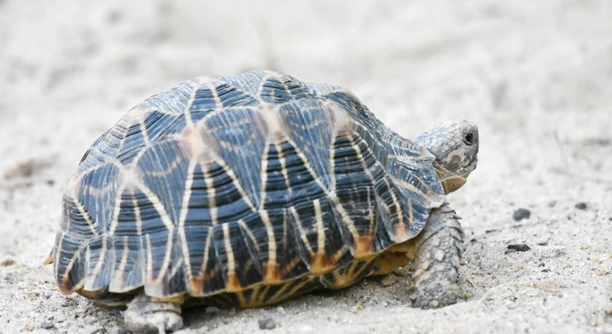
Feeding your Indian Star Tortoise a well-balanced diet is key to helping it gain weight safely. Certain foods can provide the necessary nutrients and promote healthy weight gain. This guide will outline seven foods for that purpose.
To safely help your Indian Star Tortoise gain weight, focus on nutrient-dense, high-calcium foods like leafy greens, fruits, and certain vegetables. It’s important to avoid overfeeding and balance these with other dietary needs to promote overall health.
Providing your tortoise with these foods will support its health and weight management effectively.
Leafy Greens for Weight Gain
Leafy greens are essential in helping your Indian Star Tortoise gain weight in a healthy way. These vegetables are rich in calcium, vitamins, and minerals that support overall health and aid in weight gain. Dark leafy greens like collard greens, dandelion greens, and kale should be part of the tortoise’s daily diet. Not only do these greens offer essential nutrients, but they also provide fiber, which is important for digestion. Regularly incorporating these into your tortoise’s meals will contribute to its health and weight gain. Make sure to wash them thoroughly before serving to avoid any pesticides.
Adding leafy greens to your tortoise’s diet supports digestive health and ensures they are getting vital nutrients for weight gain.
It’s important to rotate the types of leafy greens you offer to your tortoise to prevent any imbalances. Feeding a variety of greens like turnip greens and mustard greens can enhance nutritional intake while helping avoid over-reliance on a single food. This keeps your tortoise’s diet diverse and balanced. You can also mix the greens with fruits and other vegetables to increase palatability.
High-Calcium Vegetables
Some vegetables, such as squash and bell peppers, are rich in calcium and help promote healthy weight gain. These vegetables are a good addition to your tortoise’s daily meals. They provide both calcium and moisture, contributing to your tortoise’s hydration and bone health.
Squash, including butternut and acorn varieties, is an excellent source of both vitamins and calcium. Bell peppers are also high in vitamins A and C. Combining these vegetables in your tortoise’s meals will boost their overall health while supporting weight gain. Be sure to serve these vegetables in appropriate portions to avoid excessive intake.
Fruits for Extra Calories
Fruits are an excellent way to add extra calories to your tortoise’s diet. They are high in natural sugars and water, providing a good energy source. Offer fruits like papaya, strawberries, and mango in moderation. Too much fruit can lead to digestive issues, so balance is key.
Offering fruit as a treat or as part of your tortoise’s regular meals can help with weight gain. Ensure you remove any seeds or pits that may pose a choking hazard. Variety is important, so try rotating fruits throughout the week. This keeps things interesting while promoting healthy weight gain.
Remember that fruits should complement the diet, not be the main source of food. Pairing fruit with leafy greens and vegetables will help maintain balance in your tortoise’s nutrition. Over time, you’ll notice that including a variety of fruits helps your tortoise gain weight without compromising its health.
Protein-Rich Foods
Protein is an important part of your tortoise’s diet to support muscle growth and weight gain. Offer protein-rich foods like boiled eggs or earthworms. These foods are easy to digest and provide a good protein source. However, they should only be offered occasionally to avoid overfeeding.
To make the most of protein for weight gain, pair it with high-fiber foods like leafy greens and grasses. Offering a balanced mix of proteins and vegetables will give your tortoise the nutrients it needs for healthy weight gain. Too much protein can lead to kidney strain, so it’s crucial to feed it in moderation.
When adding protein to your tortoise’s meals, make sure to adjust the portion size based on your tortoise’s size and age. A younger tortoise may require slightly more protein, while an older one will need less. Moderation and balance are essential for promoting a healthy weight.
High-Fiber Grasses
Grasses like timothy hay and orchard grass are vital for your tortoise’s digestive health and weight gain. These fibrous foods help regulate digestion and ensure that your tortoise receives essential nutrients. Offering a variety of grasses will keep your tortoise interested and encourage healthy eating habits.
Fiber-rich grasses also help prevent obesity by ensuring your tortoise is eating slowly and consuming appropriate amounts. Over time, a diet high in fiber supports better gut health and reduces the risk of digestive issues. Providing different types of grass can also prevent any deficiencies in fiber intake.
Calcium Supplements
Calcium is essential for your tortoise’s bone health and overall well-being. While certain foods provide calcium, supplements can help fill any gaps in their diet. A calcium supplement can be sprinkled over the tortoise’s food to ensure they’re getting enough of this crucial mineral for growth and weight gain.
When adding calcium supplements, be sure to avoid over-supplementing. Too much calcium can lead to kidney damage. The goal is to enhance the diet, not replace natural sources. Consider dusting food with calcium two to three times a week to promote bone health and weight management.
Healthy Fats
Healthy fats are an important part of your tortoise’s diet for weight gain. Fats from sources like avocado and flaxseed oil can contribute to a calorie-dense meal. These fats help provide long-term energy and support overall health. However, offer them sparingly to avoid overfeeding.
FAQ
What foods should I avoid feeding my Indian Star Tortoise to help it gain weight?
Avoid feeding your tortoise high-protein foods like meat or dairy, as these can cause kidney strain and imbalance its diet. Additionally, foods high in oxalates, such as spinach, should be given sparingly. Overfeeding fruit can also cause digestive issues due to its high sugar content. Stick to high-fiber, calcium-rich vegetables and grasses to support weight gain safely.
How much should I feed my Indian Star Tortoise each day to promote weight gain?
The amount of food depends on the size and age of your tortoise. A general rule is to feed your tortoise an amount equal to the size of its shell in leafy greens and vegetables daily. Adding a small portion of fruit or protein (such as boiled eggs) once or twice a week can boost calorie intake. Monitor its body condition to adjust portions as needed.
Can I feed my tortoise only vegetables to help it gain weight?
While vegetables are important, it’s crucial to include a variety of food sources in the diet. A combination of vegetables, fruits, grasses, and occasional protein ensures that your tortoise receives a well-balanced nutrition profile. Relying solely on vegetables might lead to deficiencies in certain nutrients like protein or healthy fats.
How can I tell if my tortoise is gaining weight safely?
A healthy tortoise will show gradual weight gain over time. The shell should remain smooth and well-shaped, without any signs of fat accumulation or uneven growth. Gently palpate the tortoise’s body; it should feel firm but not overly soft. Keep track of its progress by weighing your tortoise periodically to avoid overfeeding.
Is it safe to feed my tortoise high-fat foods to help it gain weight?
Healthy fats, such as those from flaxseed oil or avocado, can be beneficial in moderation. These fats provide extra calories without causing digestive issues. However, they should be fed sparingly, as too much fat can lead to obesity and other health problems. A balanced diet that includes fats in moderation will promote healthy weight gain.
How do I know if my tortoise is underweight?
An underweight tortoise may show signs of lethargy, reduced activity, or slow growth. Its shell might appear more prominent or concave, and the ribs may be visible through the skin. If your tortoise is not gaining weight despite proper feeding, it may be a sign of an underlying health issue, so consulting a vet is recommended.
What is the role of calcium in helping my tortoise gain weight?
Calcium plays a crucial role in supporting the tortoise’s bones and overall health. A calcium deficiency can lead to soft shell and bone deformities. By ensuring your tortoise gets enough calcium through leafy greens or supplements, you’re supporting its structural health, which in turn aids weight gain. Always balance calcium intake with phosphorus to maintain proper bone health.
How often should I feed my tortoise protein-rich foods?
Protein-rich foods like eggs or earthworms should be offered occasionally, about once or twice a week, to avoid excess protein intake. Too much protein can strain the kidneys and cause health problems. A varied diet with a focus on vegetables and fruits is the best approach for healthy weight gain.
Can my tortoise gain weight if I only feed it fruits?
Fruits alone won’t provide the balanced diet necessary for weight gain. While they are high in calories and water, fruits lack the nutrients needed for bone and shell health. Overfeeding fruits can also lead to digestive problems. Incorporating fruits as a treat alongside other foods will help your tortoise gain weight safely.
What should I do if my tortoise isn’t gaining weight?
If your tortoise isn’t gaining weight despite a proper diet, check for other health issues, such as parasites or metabolic disorders. Ensure that your tortoise has access to a warm, safe environment with adequate space to move around. Consulting a vet is important if weight gain isn’t progressing as expected.
Final Thoughts
Helping your Indian Star Tortoise gain weight safely requires careful attention to its diet and overall health. It’s important to offer a balanced mix of foods that include high-fiber grasses, leafy greens, and occasional fruits and proteins. These food options provide the right balance of nutrients without overwhelming your tortoise’s system. Each tortoise is different, so adjusting portions based on its size, age, and activity level will help ensure that the weight gain process is gradual and healthy.
Calcium plays a vital role in maintaining the tortoise’s bone health while promoting weight gain. Offering calcium supplements or calcium-rich foods like dark leafy greens helps keep the bones strong as your tortoise gains weight. Protein should also be included in small amounts, as it supports muscle growth and general health. Remember that overfeeding high-calorie foods can lead to obesity, which can cause more harm than good. Moderation is key in all aspects of your tortoise’s diet.
If you notice that your tortoise isn’t gaining weight despite following a proper feeding routine, it’s essential to consult with a vet. They can check for underlying health issues such as parasites or metabolic disorders. Keeping a consistent feeding schedule, monitoring your tortoise’s weight, and providing a proper habitat are all part of ensuring its long-term health and well-being. With patience and proper care, your Indian Star Tortoise will gain weight safely and thrive.

Hello,
If you enjoy the content that we create, please consider saying a "Thank You!" by leaving a tip.
Every little bit helps us continue crafting quality advice that supports the health, happiness, and well-being of pets around the world, for pets of all shapes, sizes, and species.
We really appreciate the kindness and support that you show us!