
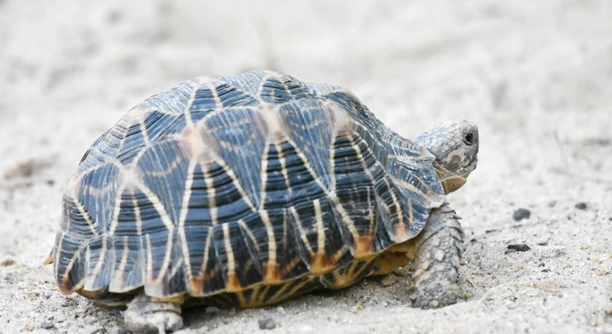
Recognizing stress in Indian Star Tortoises is essential to maintaining their well-being. Stress can affect their health, and understanding the signs is crucial for providing proper care and a suitable environment.
Stress in Indian Star Tortoises is often displayed through changes in behavior, such as reduced activity, loss of appetite, and abnormal shell positioning. Other signs include heavy breathing, hiding more often, or aggression toward their enclosure mates.
By addressing the stress symptoms and implementing effective solutions, you can improve the quality of life for your tortoise.
Signs of Stress in Indian Star Tortoises
Stress in Indian Star Tortoises can manifest in several ways. A major indicator is their behavior. When stressed, they may stop eating or become lethargic, avoiding movement or basking. A noticeable change in their activity levels is often the first sign that something is wrong. You might also notice them withdrawing into their shell more frequently. This hiding behavior is often due to fear or discomfort. Stress can also cause irregularities in their breathing patterns, which should never be ignored. If your tortoise seems to breathe heavily or quickly, it may indicate stress or other health issues. Finally, physical signs, such as uncharacteristic shell postures or damage to the shell, can also appear when a tortoise is stressed. These changes are important signals to monitor.
Some behavioral signs of stress are more subtle but still significant. A change in feeding habits, for example, is often linked to a stressed tortoise. They may lose interest in food or refuse to eat altogether.
A healthy tortoise should be active, alert, and show curiosity in its environment. If your tortoise is lethargic, refuses food, or seems to be hiding constantly, it may be stressed. These signs should prompt a closer inspection of their habitat. Stress is often linked to unsuitable living conditions. Temperature fluctuations, poor lighting, or an overcrowded environment can all contribute to a stressed tortoise. Additionally, an inadequate diet or lack of proper enrichment can also affect their mental well-being. Regularly observing your tortoise and maintaining their environment can help prevent stress. A balanced approach to care is key.
Solutions to Address Stress in Indian Star Tortoises
One effective solution is adjusting their environment. Ensuring the enclosure is the right size and has enough hiding spots can help reduce stress.
Creating a safe, comfortable space with proper temperature gradients, UVB lighting, and humidity control can encourage relaxation. A calm environment promotes well-being.
Providing a proper diet is just as important. Stress can arise from malnutrition or dietary imbalances. A varied diet that includes leafy greens, fruits, and safe vegetables is essential. Avoid overfeeding high-protein foods, as this can cause other health issues. Offering calcium-rich foods helps in the development and maintenance of a strong shell. Ensure your tortoise has access to fresh, clean water at all times. Another significant factor is handling. Overhandling can be stressful for tortoises. They prefer to be left alone to roam and explore their space. Allow your tortoise to interact with you on its own terms and avoid unnecessary handling.
Stress and Temperature Fluctuations
Maintaining a consistent temperature is vital. Sudden changes can make a tortoise feel unsafe and stressed.
The ideal temperature for Indian Star Tortoises is between 75°F and 85°F during the day, with a basking spot reaching up to 95°F. Ensure your enclosure has a heat gradient, allowing your tortoise to regulate its body temperature. If the temperature dips too low or gets too high, it can lead to stress and even health problems. It’s crucial to have a thermometer and a heat source that maintains a stable environment.
Fluctuations in temperature can cause discomfort, leading to behavior changes. If your tortoise is stressed, it may seek shelter to avoid the heat or may become lethargic if it’s too cold. A heat lamp is often necessary to create the right warmth. Keeping track of the temperatures at both the cooler and warmer ends of the enclosure ensures the tortoise can escape heat when needed and warm up when necessary. Consistent temperature control is key to a healthy, stress-free tortoise.
Stress and Social Interaction
Indian Star Tortoises are solitary animals, and too much interaction can cause stress.
While it’s natural for some tortoises to engage with their surroundings, excessive handling or too many visitors can make them feel threatened. Your tortoise may retreat into its shell or become aggressive if it feels overwhelmed. Respect their need for personal space. While social interaction is important, it must be balanced with alone time. Tortoises need to feel secure in their environment, without the constant pressure of being observed or handled.
Providing a safe, calm environment where your tortoise can explore at its own pace is essential. Avoid overcrowding the habitat with other animals, as this can lead to territorial stress. If you notice signs of stress after interactions, it’s a good idea to give your tortoise some quiet time in a safe, secluded space. Creating a balance between social engagement and solitude ensures your tortoise feels secure and comfortable.
Stress and Improper Lighting
Indian Star Tortoises rely on UVB lighting to process calcium and maintain strong shells. Without proper lighting, they can become stressed.
Ensure that your tortoise’s enclosure has a UVB light that is on for about 12-14 hours daily. UVB helps regulate their metabolism, improves digestion, and supports overall health. If the light is insufficient, your tortoise may become sluggish, stop eating, or have trouble absorbing calcium, which could lead to stress or health problems.
To avoid stress caused by improper lighting, regularly replace UVB bulbs, as they lose effectiveness over time. Consider using a timer to maintain a consistent light schedule. Proper lighting creates a stable environment that promotes well-being.
Stress and Overcrowded Enclosures
An overcrowded enclosure can cause stress. Tortoises need space to roam and explore.
If your enclosure is too small or crowded, it can lead to aggression and anxiety. Each tortoise should have ample space to move freely. Crowded conditions also make it harder to control temperature and humidity levels. Stress often follows when they feel trapped.
Ensure your tortoise has enough space to be comfortable. A larger enclosure allows them to explore their surroundings and find safe spots. It also makes it easier to maintain proper environmental conditions, reducing the risk of stress and health issues.
Stress and Diet
Diet plays a crucial role in preventing stress. A well-balanced diet keeps your tortoise healthy and comfortable.
Offering a mix of leafy greens, flowers, and occasional fruits ensures that your tortoise receives the necessary nutrients. Avoid feeding them high-protein foods, as this can lead to kidney stress. Too much fruit can also cause digestive issues. Stick to natural, fiber-rich foods that align with their natural diet.
FAQ
What are the most common signs that my Indian Star Tortoise is stressed?
Common signs of stress in Indian Star Tortoises include reduced activity, loss of appetite, heavy or rapid breathing, and hiding. They may also exhibit a defensive posture by withdrawing into their shells. If your tortoise becomes more aggressive or excessively reclusive, these could be signs of stress.
How can I reduce stress caused by improper temperature?
To reduce stress from improper temperature, maintain a temperature range of 75°F to 85°F during the day and a basking area around 95°F. Use a thermometer to regularly monitor the temperatures. Ensure the tortoise has a cool area to escape to if the heat becomes too intense. If temperatures drop too low, a heat lamp may be necessary.
Is UVB lighting really that important for my tortoise?
Yes, UVB lighting is essential for your tortoise’s health. It allows them to synthesize vitamin D3, which helps in the absorption of calcium, preventing metabolic bone disease. Ensure your tortoise receives UVB lighting for 12-14 hours a day and replace the bulb every 6 months to maintain its effectiveness.
How can I tell if my tortoise is getting too much or too little UVB?
If your tortoise isn’t exposed to enough UVB, it may become lethargic, stop eating, or show signs of shell deformities. Conversely, too much UVB exposure, especially from improper light placement, can cause burns. Check for signs of sunburn or excessive dryness, and make adjustments to the light positioning.
Can handling my tortoise too much cause stress?
Yes, excessive handling can lead to stress. Tortoises are naturally solitary and can become anxious with too much human interaction. Limit handling and allow your tortoise to move freely within its environment. If your tortoise seems stressed after being handled, give it time to calm down in a safe, quiet space.
What should I do if my tortoise refuses to eat?
If your tortoise refuses to eat, first check its environment for stressors. Ensure the temperature, humidity, and lighting are correct. If the environment seems fine, consider offering a variety of fresh, appealing foods like leafy greens, flowers, or fruit. If the issue persists, consult a veterinarian to rule out any medical conditions.
Can stress cause health problems in my Indian Star Tortoise?
Yes, prolonged stress can lead to serious health problems. Stress can weaken the immune system, make digestion difficult, and cause metabolic issues. If your tortoise is stressed for an extended period, it could lead to issues like dehydration, shell deformities, or even respiratory infections. Addressing the stressor promptly is essential for your tortoise’s health.
How can I prevent my tortoise from becoming stressed due to overcrowding?
Make sure your tortoise has enough space to move around freely. A small or overcrowded enclosure can lead to territorial issues, making your tortoise feel threatened. The recommended minimum enclosure size for an adult Indian Star Tortoise is 4 feet by 2 feet. If you have multiple tortoises, ensure each one has its own space.
What is the best diet for my tortoise to avoid stress?
A proper diet is vital for preventing stress. Focus on offering a variety of leafy greens like dandelion, collard greens, and mustard greens. Occasional fruits, such as apples or strawberries, are fine in moderation. Avoid high-protein foods like meat or processed items. Calcium-rich foods like cuttlebone should also be provided to maintain shell health.
Is there a link between stress and shell damage?
Yes, stress can contribute to shell damage. When stressed, tortoises may exhibit behaviors like excessive rubbing or even self-mutilation, which can harm their shells. Stress also impairs the tortoise’s ability to absorb the necessary nutrients for healthy shell growth, which may result in soft spots or deformities. Ensure the environment is suitable to reduce the chances of shell damage caused by stress.
Can I use a heater in my tortoise’s enclosure?
Yes, using a heater in the enclosure can help maintain a consistent temperature, especially during colder months. A ceramic heat emitter or a heat lamp can provide warmth without adding light, which can be beneficial during the night. Be sure to keep the heater at a safe distance to avoid overheating or burns.
How do I know if my tortoise is being overfed?
Overfeeding can lead to obesity and digestive issues. If your tortoise is overweight, you may notice it becoming lethargic or having difficulty moving. Additionally, its shell may not grow properly. Feed appropriate portions based on size and age, and avoid giving too much high-fat or sugary food.
What role does humidity play in tortoise stress?
Humidity is important for your tortoise’s health, especially for shedding. Too little humidity can cause the skin to dry out, leading to stress. On the other hand, excessive humidity can lead to respiratory issues. Aim for humidity levels of 50-60% and monitor it regularly to ensure your tortoise is comfortable.
Can I put my tortoise outside to reduce stress?
Outdoor environments can be beneficial, provided the weather is warm and safe. Outdoor time gives your tortoise access to natural sunlight and space to roam. However, be cautious of predators, temperature fluctuations, and unsafe surroundings. Always supervise your tortoise when outside to ensure it stays safe.
Final Thoughts
Recognizing stress in Indian Star Tortoises is crucial for their well-being. They are sensitive creatures, and even small changes in their environment can lead to signs of stress. Stress manifests in various ways, including loss of appetite, changes in behavior, and physical symptoms. It’s important to observe your tortoise closely and identify any changes. By understanding these signs, you can address the issues before they escalate, ensuring a better quality of life for your pet.
Maintaining an ideal environment is key to preventing stress. This involves providing the right lighting, temperature, and space. UVB lighting is especially important for their health, as it helps them metabolize calcium and prevents metabolic bone disease. Temperature control is another critical factor, as too much heat or cold can cause discomfort and stress. A spacious and clean enclosure allows your tortoise to move freely and feel secure. Overcrowding can cause territorial stress, so it’s important to give each tortoise enough room to thrive.
Finally, a proper diet and regular health checks can go a long way in keeping your tortoise stress-free. Feeding them a balanced diet of fresh greens, occasional fruits, and calcium supplements helps maintain their health. Avoid overfeeding or feeding inappropriate foods that can lead to health problems. Regular vet check-ups will also ensure that your tortoise is healthy and stress-free. Keeping these factors in mind will help create a safe, comfortable, and stress-free environment for your Indian Star Tortoise, promoting its overall health and happiness.

Hello,
If you enjoy the content that we create, please consider saying a "Thank You!" by leaving a tip.
Every little bit helps us continue crafting quality advice that supports the health, happiness, and well-being of pets around the world, for pets of all shapes, sizes, and species.
We really appreciate the kindness and support that you show us!