
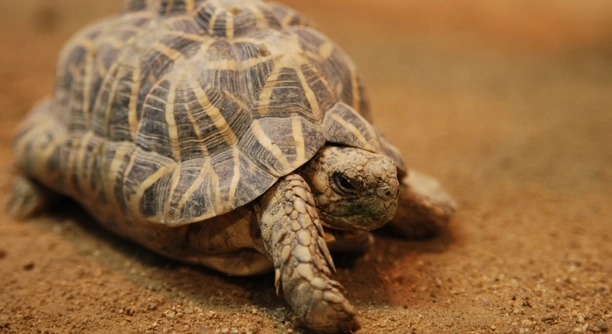
Adjusting to a new environment can be stressful for your Indian Star Tortoise. The change may cause anxiety or confusion, making the transition challenging. Understanding how to support this process is key for a smoother adjustment.
The main way to help your Indian Star Tortoise adjust to a new environment is by providing a stable, familiar habitat. Maintain proper temperature, humidity, and lighting, along with a consistent feeding schedule to reduce stress and promote comfort.
Creating the right environment and offering proper care will ensure a better adjustment period for your tortoise.
Create a Familiar Environment
When your Indian Star Tortoise is introduced to a new space, it is important to recreate the elements from its previous environment. The consistency in habitat setup helps reduce stress. Place its enclosure in a quiet, low-traffic area. Make sure it has access to a heat source, UVB lighting, and humidity levels that are suitable for its species. The proper setup mimics the natural conditions of its environment, contributing to a smoother transition.
Your tortoise will feel less unsettled in a familiar environment, which encourages natural behavior. Keep the temperature between 85°F and 90°F during the day, while offering a cooler area for it to retreat to. Humidity should be maintained around 50-60%.
Avoid making drastic changes to the habitat too quickly. Gradual transitions allow your tortoise to adjust without becoming stressed. If possible, try to keep the habitat layout consistent to avoid disorienting it.
Maintain a Consistent Routine
Stability in daily routines is essential for your tortoise’s comfort. Regular feeding and a set schedule for light and dark cycles will help them settle in more easily. Keeping things predictable will help minimize anxiety and encourage eating, sleeping, and exploring behaviors.
Indian Star Tortoises are creatures of habit. They feel safest when their basic needs are met on a consistent schedule. Feed them at the same time each day, providing the same types of food to promote healthy eating habits. Having a reliable routine helps create a calm environment that promotes their well-being.
If you’re moving your tortoise into a new environment, be patient and allow them time to adjust. Keep interactions calm and limited, giving your tortoise time to explore and feel comfortable in its new surroundings. This approach reduces unnecessary stress and fosters a positive adjustment.
Provide Hiding Spots
Your Indian Star Tortoise needs a sense of security in its new environment. Adding hiding spots, like small caves or piles of leaves, helps it feel safer. Tortoises are naturally shy and will appreciate a quiet, secluded area where they can retreat when feeling stressed.
Providing these hiding spots will make a significant difference in your tortoise’s comfort. Not only does it help reduce anxiety, but it also allows your tortoise to have a place to rest without feeling exposed. Place the hiding spots in various locations around the enclosure, so your tortoise can choose where it feels most secure. These spaces give it more control over its environment.
Avoid overcrowding the enclosure, as this can make your tortoise feel trapped. Keep the spaces clean and dry, making sure that the hiding areas are easily accessible. This promotes a sense of well-being and reduces the chance of stress-related health issues.
Control Temperature and Humidity
The right temperature and humidity levels are crucial for your tortoise’s health, especially during its transition to a new home. Keep the basking area warm, around 85°F to 90°F, while offering a cooler area for rest.
If the humidity levels are too low, it can lead to dehydration or difficulty shedding. Maintain the humidity around 50-60%, using a hygrometer to track moisture levels. Regular misting or adding a water dish can help regulate the environment. Humidity control is vital to keeping your tortoise hydrated and active.
Keep in mind that temperature and humidity should be monitored daily, as fluctuating levels can make your tortoise feel unsafe. A constant, suitable environment encourages its natural behaviors and helps prevent health problems. It’s important not to make sudden changes in temperature or humidity to avoid stress.
Offer Proper Nutrition
Your Indian Star Tortoise needs a balanced diet to stay healthy during its adjustment period. Provide fresh greens, such as dandelion, clover, and collard greens. Avoid feeding it too much fruit, as it can cause digestive problems.
A well-rounded diet supports your tortoise’s immune system, helping it cope with the stress of a new environment. Dust the greens with calcium powder to ensure it gets enough essential nutrients. Offer food at regular intervals, and avoid overfeeding. This will help your tortoise maintain a healthy weight and energy level as it settles in.
Limit Handling
Minimize handling your Indian Star Tortoise during the first few weeks of its transition. Excessive handling can stress it out and interfere with its adjustment. Allow it time to adapt to its new surroundings without added pressure.
Handling should be kept to a minimum, especially in the initial stages. Your tortoise will benefit from a calm environment where it can acclimate naturally. Gradually increase interactions once it appears more comfortable and confident in its new habitat. This way, your tortoise will form a bond with you at its own pace.
Monitor Behavior
Keep an eye on your tortoise’s behavior to ensure it is adjusting well. Look for signs of stress, such as decreased activity or not eating. This could indicate that the environment needs adjustments.
Take note of how your tortoise moves around its enclosure. It should be active and curious, exploring its surroundings. If it becomes lethargic or hides excessively, it may be uncomfortable. These changes in behavior are crucial indicators to watch.
FAQ
How long does it take for an Indian Star Tortoise to adjust to a new environment?
The adjustment period for an Indian Star Tortoise can take anywhere from a few days to a couple of weeks, depending on its personality and the environment. During this time, it’s important to minimize stress and give it time to get used to its new surroundings. Be patient and observe any signs of distress.
What should I do if my Indian Star Tortoise is not eating?
If your tortoise isn’t eating, it could be due to stress from the move, temperature fluctuations, or improper lighting. Ensure the habitat is properly set up with the right temperature, humidity, and lighting. If the problem persists, consider consulting a vet to rule out any underlying health issues.
Can I change my tortoise’s habitat setup after it has adjusted?
It’s best to avoid major changes after your tortoise has settled in. Sudden changes in its environment can cause stress and confusion. If adjustments are necessary, try to make them gradually, allowing your tortoise time to acclimate to each new change.
How can I tell if my tortoise is stressed?
Signs of stress in an Indian Star Tortoise include reduced movement, refusal to eat, excessive hiding, and attempts to escape its enclosure. If you notice these behaviors, it’s important to assess its habitat conditions and make sure everything is in place to support its well-being.
What type of lighting does my tortoise need?
Your Indian Star Tortoise requires UVB lighting to help it process calcium and maintain a healthy shell. Ensure the UVB light is placed within a proper distance from the tortoise and is turned on for 10-12 hours a day to mimic a natural day-night cycle.
Can I keep more than one Indian Star Tortoise in the same enclosure?
Indian Star Tortoises are generally solitary creatures, and keeping more than one in the same enclosure can lead to territorial behavior or stress. If you want to keep multiple tortoises, make sure the enclosure is large enough to accommodate each tortoise with its own space, and monitor them closely for signs of aggression.
Is it necessary to provide water for my tortoise?
Yes, providing water is essential. Your tortoise needs access to clean, fresh water at all times, even if it doesn’t appear to drink much. Some tortoises prefer soaking in water, which helps with hydration and shedding. A shallow dish that is easy for your tortoise to access will suffice.
How often should I clean my tortoise’s enclosure?
Regular cleaning is crucial to maintain a healthy environment. Clean the enclosure at least once a week, removing waste, uneaten food, and debris. Spot clean daily to remove any waste, and sanitize the habitat thoroughly once a month. Proper cleaning prevents the buildup of harmful bacteria.
What should I feed my Indian Star Tortoise?
Indian Star Tortoises are primarily herbivores. They thrive on a diet of dark leafy greens, such as collard greens, dandelion greens, and mustard greens. You can occasionally offer them flowers like hibiscus, but avoid feeding them high-sugar fruits or vegetables. Make sure the food is fresh and free of pesticides.
Can I take my tortoise outside?
Yes, you can take your tortoise outside, but only in safe, controlled environments. Make sure the temperature is appropriate and the area is free of predators. Avoid direct sunlight for long periods and ensure your tortoise has access to shade and water. Never leave it unsupervised.
How do I maintain the right temperature for my tortoise?
The basking area should be between 85°F and 90°F, with a cooler area of around 75°F to 80°F. Use a reliable thermometer to monitor the temperature, and adjust the heat source as needed. Make sure the enclosure has enough ventilation to prevent overheating.
What should I do if my tortoise isn’t shedding properly?
If your tortoise isn’t shedding properly, it may be due to low humidity, dehydration, or poor nutrition. Ensure the humidity is around 50-60%, and provide enough water for soaking. If shedding problems continue, consult a veterinarian to check for any underlying health concerns.
Can I use sand in my tortoise’s enclosure?
Avoid using sand in your tortoise’s enclosure, as it can cause impaction if ingested. Instead, use substrates such as coconut coir, leaf litter, or soil-based mixtures that are safer and more comfortable for your tortoise. Always ensure the substrate is clean and dry.
How much space does my tortoise need?
Indian Star Tortoises require a spacious enclosure to roam and explore. The minimum recommended size for a single tortoise is 4 feet by 2 feet, but larger enclosures are always better. If you plan to keep more than one tortoise, make sure there’s enough room for each tortoise to have its own space.
What temperature is best for nighttime?
At night, you can allow the temperature to drop to about 70°F to 75°F. This mimics natural conditions and helps your tortoise rest. Ensure the drop is gradual and not abrupt, as sudden changes in temperature can stress your tortoise.
Is it okay to let my tortoise roam around the house?
It’s best to let your tortoise roam only in areas where it’s safe and free from hazards. Always supervise it while outside the enclosure to prevent accidents. Never leave your tortoise unattended in unfamiliar areas, as they can get into dangerous situations.
Final Thoughts
Adjusting an Indian Star Tortoise to a new environment can take some time and patience. It’s important to provide the right habitat conditions, such as proper lighting, temperature, and humidity. A consistent routine will help the tortoise feel more at ease. The key to a successful transition is minimizing stress and ensuring the tortoise has plenty of space to explore its new home. Offering a balanced diet and ensuring hydration will also help it adjust smoothly.
Monitoring its behavior closely is crucial during this period. If your tortoise is not eating, moving around less, or seems unusually stressed, it may be a sign that the environment needs adjustments. Check the enclosure’s temperature, lighting, and humidity levels. Any sudden changes in behavior should not be ignored. It’s also essential to limit handling, especially in the first few weeks, as it can further stress the tortoise. Allow it time to acclimate to its new surroundings without pressure.
In some cases, if stress or health issues persist, consulting a veterinarian is a wise decision. This can help rule out any underlying health problems or environmental factors that may be causing discomfort. Overall, patience and attention to detail will go a long way in ensuring that your Indian Star Tortoise adjusts to its new environment without any major issues. It’s important to remember that each tortoise is unique, so their adjustment time may vary. Providing a safe and comfortable space will help your tortoise thrive in its new home.

Hello,
If you enjoy the content that we create, please consider saying a "Thank You!" by leaving a tip.
Every little bit helps us continue crafting quality advice that supports the health, happiness, and well-being of pets around the world, for pets of all shapes, sizes, and species.
We really appreciate the kindness and support that you show us!