
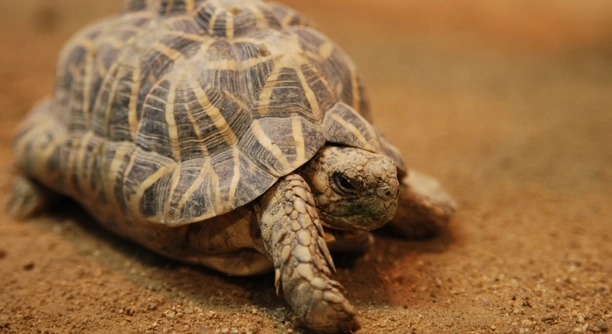
Is your Indian star tortoise constantly attempting to climb, leaving you wondering why? This behavior is common and can be influenced by several factors, from natural instincts to environmental issues that affect their comfort and well-being.
Indian star tortoises attempt to climb due to reasons such as seeking better vantage points, exploring their surroundings, escaping unsuitable enclosures, or responding to stress. Additionally, inadequate enclosure size, lack of enrichment, or improper temperature gradients can contribute to this behavior.
Understanding these reasons will help you create a safer, more comfortable environment for your tortoise while ensuring their well-being and preventing unnecessary stress.
Seeking Higher Ground
Indian star tortoises often climb to find a better vantage point. In the wild, they navigate uneven terrain, so this instinct remains even in captivity. If their enclosure lacks variety, they may attempt to climb decorations, walls, or even other tortoises. This behavior is normal but can sometimes lead to falls or injuries. Providing different levels within the enclosure can help satisfy their need for exploration while ensuring their safety. Flat, stable surfaces with gentle slopes can prevent accidents while allowing them to exercise their natural instincts without unnecessary risks.
A lack of hiding spots can also contribute to this behavior. If a tortoise feels exposed, it may attempt to climb to seek cover. Ensuring there are enough shaded areas and shelters will help reduce stress and encourage natural behaviors.
Making small adjustments to their habitat can prevent unnecessary climbing while keeping them active and engaged. A well-planned enclosure ensures their comfort.
Enclosure Size and Barriers
If an enclosure is too small, a tortoise may try to climb in search of more space. Limited room can lead to stress, causing them to explore excessively. Expanding their living area can significantly reduce this behavior.
A properly sized enclosure should allow for natural movement, exploration, and rest. Tortoises require enough space to walk freely, stretch, and turn comfortably. Cramped conditions may cause frustration, leading them to test the enclosure walls. If they frequently push against barriers or climb decorations, it is a sign that their space may be insufficient.
Tall, smooth barriers help prevent escape attempts. Wire or mesh enclosures can encourage climbing, increasing the risk of injury. Using solid, non-transparent walls can make the space feel more secure, reducing their urge to climb. Additionally, ensuring a well-balanced environment with proper lighting, temperature gradients, and enrichment can create a comfortable setting that discourages excessive climbing.
Environmental Stress
Sudden changes in temperature, humidity, or lighting can cause stress, making a tortoise more active or restless. If their environment is not stable, they may attempt to climb in search of a more suitable area with better conditions. Keeping a consistent setup helps prevent unnecessary stress.
Temperature fluctuations can make a tortoise uncomfortable. If the enclosure is too hot or too cold, they may instinctively try to relocate. Ensure a proper heat gradient, with a basking area around 95°F and a cooler area around 75°F. Humidity should remain stable, as low humidity can lead to dehydration, while excessive moisture may cause respiratory issues. A well-balanced environment helps maintain their comfort and reduces climbing tendencies.
Lighting also plays a key role in their behavior. Inadequate UVB exposure can lead to restlessness. Using the right bulbs and ensuring a proper day-night cycle will create a comfortable setting and prevent excessive activity.
Lack of Stimulation
Boredom can lead to excessive movement, including climbing. If an enclosure lacks variety, a tortoise may become restless and seek new challenges. Providing enrichment, such as different textures, climbing structures, and natural hiding spots, keeps them engaged and prevents repetitive behaviors.
A stimulating environment should include safe, non-slip surfaces, rocks, and logs that encourage natural movement. Adding edible plants, like hibiscus or dandelion greens, allows them to forage, which mimics their natural behavior. Rearranging their space occasionally can also help maintain interest, preventing restlessness and unnecessary climbing.
Without proper stimulation, a tortoise may engage in persistent escape attempts. Keeping their habitat engaging, spacious, and enriched ensures they remain active while reducing stress and unwanted behaviors. Simple additions can make a significant difference in their overall well-being.
Mating Behavior
Male Indian star tortoises may become more active during mating season. Increased movement, including climbing, is common when they are searching for a mate. This behavior is natural and usually temporary, subsiding once the breeding season ends or when their environment feels more stable.
Females may also display restlessness if they need to lay eggs. If a female tortoise does not have a suitable nesting area, she may attempt to climb or dig excessively. Providing a proper nesting spot with soft, warm substrate can help reduce this behavior and ensure her comfort.
Health Issues
Restlessness and excessive climbing can sometimes indicate underlying health problems. Parasites, metabolic bone disease, or nutritional deficiencies may cause discomfort, leading to unusual behaviors. Regular veterinary check-ups help ensure a tortoise remains healthy and prevent issues from escalating.
Improper Substrate
A rough or irritating substrate can make a tortoise uncomfortable, causing them to climb to escape. Soft, natural bedding like coconut coir or cypress mulch provides a comfortable surface, preventing stress.
FAQ
Why does my Indian star tortoise keep climbing the walls of its enclosure?
A tortoise may climb the walls if the enclosure is too small, lacks stimulation, or has improper temperature and lighting. They may also attempt to escape due to stress, mating instincts, or discomfort from the substrate. Expanding the enclosure and enriching their environment can help reduce this behavior.
Is it dangerous for my tortoise to climb?
Climbing can lead to falls, which may result in injuries such as shell damage or leg fractures. Indian star tortoises are not natural climbers, so frequent climbing attempts indicate discomfort or an unsuitable habitat. Ensuring a safe, spacious, and properly designed enclosure helps prevent accidents.
How can I stop my tortoise from climbing?
Providing a larger space with proper temperature, humidity, and enrichment can discourage climbing. Hiding spots, textured surfaces, and edible plants keep them engaged. Checking for stressors, such as excessive noise or frequent handling, also helps create a calm and secure environment.
Can an improper diet cause my tortoise to climb?
A poor diet can lead to restlessness. If a tortoise is not getting enough fiber, calcium, or hydration, they may become more active in search of better nutrition. Offering a well-balanced diet with leafy greens, edible flowers, and calcium sources helps maintain their health and reduces excessive movement.
Why is my tortoise climbing on top of other tortoises?
Stacking or mounting behavior can be a sign of dominance, mating attempts, or general curiosity. Males often mount females during breeding, but if the behavior becomes excessive, separating them may be necessary. Ensuring each tortoise has enough space also helps minimize competition and stress.
Does boredom make tortoises climb more?
Lack of stimulation can lead to increased activity. Without variety in their enclosure, a tortoise may climb out of boredom. Providing climbing-safe logs, rocks, and different textures helps keep them engaged. Rearranging their space occasionally also encourages exploration and prevents repetitive behaviors.
Is my tortoise trying to escape?
Frequent climbing attempts can indicate an attempt to escape due to stress, improper enclosure setup, or discomfort. Checking for environmental issues such as incorrect temperatures, poor lighting, or high noise levels can help identify the cause. Creating a secure and comfortable habitat reduces escape attempts.
How can I make my tortoise feel more secure?
A well-structured enclosure with plenty of hiding spots, stable temperatures, and proper humidity helps a tortoise feel safe. Adding visual barriers, like plants or logs, reduces stress. Avoiding excessive handling and sudden environmental changes also helps maintain a sense of security.
Can high temperatures cause a tortoise to climb?
If the enclosure is too hot, a tortoise may climb in search of a cooler area. Proper temperature regulation with a basking spot of around 95°F and a cooler zone of 75°F helps maintain comfort. Providing shaded areas and monitoring heat levels prevent overheating.
Should I be concerned if my tortoise climbs often?
Occasional climbing is normal, but frequent attempts could indicate stress or environmental issues. Checking enclosure size, temperature, humidity, and diet helps determine if adjustments are needed. If climbing persists despite improvements, consulting a reptile veterinarian may be beneficial.
Final Thoughts
Indian star tortoises may climb for various reasons, including stress, boredom, environmental discomfort, or natural instincts. While occasional climbing is not unusual, frequent attempts could indicate an issue with their enclosure, diet, or overall care. Ensuring a properly designed habitat with enough space, appropriate temperature, and environmental enrichment helps reduce unnecessary climbing and keeps them comfortable. Small changes, such as adding hiding spots, adjusting lighting, or modifying the enclosure layout, can make a significant difference in their behavior. Regular observation is key to understanding their needs and preventing potential injuries from falls.
A well-balanced diet also plays an important role in a tortoise’s overall health and activity levels. If they are climbing excessively, it may be helpful to assess their food intake, ensuring they receive enough fiber, calcium, and hydration. A varied diet with leafy greens, edible flowers, and proper supplementation supports their physical well-being and may reduce restlessness. Additionally, checking for signs of illness, such as lethargy, abnormal shell growth, or difficulty moving, ensures that climbing is not related to an underlying health issue. Regular veterinary checkups help identify and address any concerns before they become serious.
Providing a safe and engaging environment allows an Indian star tortoise to thrive. Making sure their space mimics their natural habitat, with appropriate humidity, temperature, and enrichment, prevents unnecessary stress and improves their quality of life. While they may always have moments of curiosity or exploration, ensuring they have a secure and stimulating enclosure will reduce excessive climbing behaviors. Careful monitoring, proper diet, and a well-structured habitat will help keep them happy and healthy in captivity.

Hello,
If you enjoy the content that we create, please consider saying a "Thank You!" by leaving a tip.
Every little bit helps us continue crafting quality advice that supports the health, happiness, and well-being of pets around the world, for pets of all shapes, sizes, and species.
We really appreciate the kindness and support that you show us!