
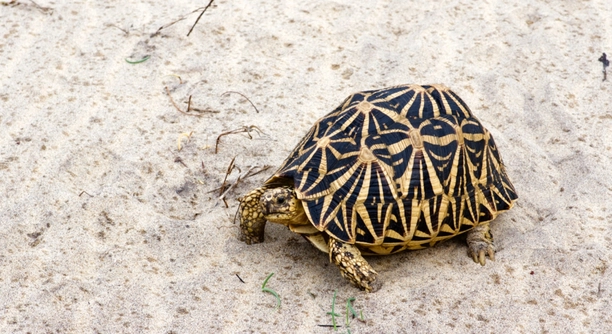
Is your Indian star tortoise showing signs of distress in warm temperatures? Overheating can pose serious health risks, making it important to recognize early warning signs. Understanding these signs can help prevent complications and ensure your tortoise stays comfortable.
An Indian star tortoise experiencing overheating may display excessive panting, lethargy, loss of appetite, and shell discoloration. Other signs include increased burrowing, seeking shade persistently, and unusual aggression. Identifying these behaviors early allows for timely intervention and temperature adjustments in their habitat.
Recognizing overheating symptoms can help prevent serious health issues. Learning how to manage their environment ensures your tortoise remains comfortable, safe, and stress-free.
Excessive Panting and Open-Mouth Breathing
Indian star tortoises regulate their body temperature through their environment. When temperatures rise too high, they may start panting or breathing with their mouths open. This is their way of trying to cool down, but it is not an effective method. If left in extreme heat, their condition can worsen, leading to dehydration and stress. Proper ventilation and shade are essential to prevent overheating. Providing a shallow water dish can also help them stay hydrated and regulate their body temperature more efficiently. Keeping their enclosure at a safe temperature will reduce the risk of heat-related issues.
Panting is often accompanied by an increase in restlessness or hiding behavior. They may move between shaded areas frequently, searching for relief from excessive heat. Monitoring these changes will help you identify potential issues early.
To keep your tortoise safe, maintain an appropriate temperature range in its enclosure. Regularly check its behavior to ensure it remains comfortable. A well-ventilated space with proper hydration will prevent overheating and reduce health risks.
Loss of Appetite and Lethargy
When an Indian star tortoise is too hot, it may lose interest in food. A decrease in appetite can lead to further weakness, making it less active throughout the day. If left unaddressed, overheating can cause serious complications.
In high temperatures, a tortoise may become lethargic and move less than usual. It may seek out cooler areas or dig into the substrate to escape the heat. If it remains inactive for long periods, this could indicate that the temperature is too high. Extreme heat exposure can also impact digestion, making it harder for them to process food properly. Keeping their habitat cool will help maintain their energy levels and appetite.
To prevent overheating, provide a shaded area and ensure water is always available. A well-balanced diet and proper hydration will support their overall health. Observing their daily behavior will help you detect any signs of distress early.
Shell Discoloration and Unusual Markings
Overheating can cause noticeable changes in a tortoise’s shell. Discoloration, including fading or darkened patches, may develop due to excessive heat exposure. Prolonged overheating can weaken the shell’s structure, making it more vulnerable to damage. Monitoring these changes helps prevent long-term health issues.
A tortoise’s shell is vital for protection and temperature regulation. When exposed to extreme heat for long periods, stress and dehydration may lead to shell abnormalities. Weakened areas can become brittle, increasing the risk of cracks or deformities. Keeping their environment within a safe temperature range reduces the likelihood of these issues. Regular misting and a shaded retreat will help maintain hydration and prevent heat-related shell damage. If discoloration worsens, adjusting the habitat setup and ensuring proper hydration can help restore shell health over time.
If left in excessive heat, a tortoise may also experience flaky or peeling areas on its shell. This indicates dehydration or prolonged exposure to unsuitable conditions. A healthy shell should appear smooth and firm. If irregularities persist, evaluating their living environment and making necessary changes can prevent further damage. Regularly checking for changes ensures early intervention before severe complications arise.
Increased Burrowing and Shade Seeking
A tortoise experiencing high temperatures may instinctively dig into the substrate more frequently. Burrowing helps them escape the heat and find cooler ground. If this behavior increases suddenly, the enclosure temperature may be too high. They may also retreat under objects for extended periods. Addressing temperature imbalances prevents further stress.
When a tortoise consistently seeks shade or burrows excessively, it indicates discomfort from the heat. This behavior is a survival instinct to prevent overheating. Without access to proper cooling areas, they may struggle to regulate their body temperature. Ensuring they have sufficient shaded spots, cool hiding areas, and a temperature-controlled enclosure will help prevent unnecessary stress. Substrate depth also plays a role in allowing them to burrow effectively when needed.
Providing natural temperature variations in their habitat allows them to adjust comfortably. A temperature gradient, where one side of the enclosure is warmer and the other remains cooler, helps them self-regulate. Misting the enclosure slightly during hotter days can also offer relief. Observing burrowing and shade-seeking behavior regularly ensures their environment remains suitable for their needs.
Frequent Soaking in Water
An overheated tortoise may spend more time soaking in its water dish to cool down. While occasional soaking is normal, excessive time in the water can indicate discomfort. Ensuring the enclosure has a stable, appropriate temperature helps reduce the need for constant soaking.
Extended soaking can also lead to other health concerns, such as shell softening or bacterial infections. If a tortoise remains in water for long periods, adjusting the heat source and providing additional shaded areas can help. Regularly checking their behavior ensures they are not overheating or experiencing stress.
Unusual Aggression or Restlessness
Overheating can cause irritability and increased activity in tortoises. They may pace around their enclosure, push against barriers, or become more reactive than usual. These behaviors often signal distress caused by excessive heat. If the enclosure temperature is too high, adjusting it can help restore their normal temperament.
A tortoise that is too hot may also show signs of discomfort through increased head bobbing or sudden jerky movements. Heat stress can make them more defensive, leading to unexpected biting or scratching. Creating a balanced environment with both warm and cool areas allows them to regulate their body temperature more effectively. Monitoring these changes helps prevent long-term stress-related issues.
Excessive Stretching of the Neck
An overheated tortoise may frequently stretch its neck outward as a response to heat stress. This movement allows them to release excess heat but is not an effective cooling method. If this behavior is consistent, adjusting the enclosure’s temperature can help prevent further overheating.
FAQ
What temperature is ideal for an Indian star tortoise?
The ideal temperature for an Indian star tortoise should range between 80-85°F (26-29°C) during the day. At night, temperatures can drop slightly to around 70-75°F (21-24°C). These temperatures help mimic their natural environment, supporting their metabolism and overall health. If the enclosure gets too hot or too cold, it can lead to stress and health issues, including overheating.
How can I tell if my tortoise is too hot?
Signs of overheating in your tortoise include excessive panting, lethargy, loss of appetite, and shell discoloration. If your tortoise is frequently seeking shade, burrowing, or soaking in water, it may be trying to escape the heat. If any of these symptoms are observed, immediately lower the temperature in its habitat to avoid further stress.
Can I use a heat lamp for my tortoise?
Yes, a heat lamp can be useful for providing a basking spot that allows your tortoise to regulate its body temperature. However, it’s essential to monitor the temperature closely. The basking area should be between 95-100°F (35-38°C), while the rest of the enclosure should remain cooler to allow your tortoise to escape the heat when needed.
How can I cool down my tortoise’s enclosure?
To cool down your tortoise’s enclosure, reduce the temperature by adjusting the heat lamp or basking light. Adding more shaded areas with objects like rocks or plants can help provide relief. You can also increase ventilation or use a fan to improve airflow. Always monitor the enclosure’s overall temperature to ensure it stays within a safe range.
Is it normal for my tortoise to be less active in hot weather?
Yes, it’s normal for tortoises to become less active in hot weather. They naturally slow down to conserve energy and avoid overheating. However, if your tortoise is excessively inactive or showing signs of distress, such as panting or hiding more than usual, it could indicate that the temperature is too high.
What should I do if my tortoise is showing signs of dehydration from overheating?
If your tortoise appears dehydrated, offer fresh water immediately. Soaking your tortoise in lukewarm water for about 15-20 minutes can help rehydrate it. Make sure to monitor its water intake regularly and provide a shallow water dish in its enclosure at all times.
Can my tortoise overheat in direct sunlight?
Yes, direct sunlight can cause a tortoise to overheat quickly. While some exposure to sunlight is beneficial for vitamin D production, it’s important to ensure that your tortoise has access to shade or cooler areas to escape the heat. Prolonged exposure to direct sunlight without the option to cool down can lead to heat stress.
How often should I check the temperature in my tortoise’s habitat?
It’s recommended to check the temperature in your tortoise’s habitat at least once a day. Use a thermometer to ensure that the basking spot and cooler areas are within the correct temperature range. Monitoring the temperature regularly helps prevent overheating and other environmental stress.
Can I use a fan to cool down my tortoise’s enclosure?
Yes, using a fan can help improve ventilation and cool down your tortoise’s enclosure, especially during hot weather. Make sure the fan is placed in a way that it doesn’t blow directly onto your tortoise but circulates the air effectively. Ensure the temperature remains stable and safe after using a fan.
Should I provide extra water for my tortoise in hot weather?
Yes, in hot weather, it’s important to ensure your tortoise has access to plenty of fresh water. Increased hydration helps prevent dehydration and helps regulate body temperature. Provide a shallow water dish that your tortoise can easily access and check that it remains clean and filled throughout the day.
What are the risks of overheating for my tortoise?
Overheating can cause serious health risks, including dehydration, heatstroke, and shell damage. Prolonged exposure to high temperatures can also lead to organ failure and permanent damage to the tortoise’s health. It’s important to prevent overheating by maintaining a stable, appropriate temperature in their enclosure.
How can I prevent overheating in my tortoise’s habitat?
To prevent overheating, provide a balanced temperature gradient in your tortoise’s habitat, with both warm and cool areas. Ensure proper ventilation, use shade to reduce direct sunlight exposure, and monitor the temperature regularly. Adjust heating elements to prevent extreme temperature fluctuations.
Can I use ice or cold water to cool down my tortoise?
No, using ice or cold water directly on your tortoise is not recommended. Rapid temperature changes can stress them out further. Instead, gradually cool their environment by adjusting the temperature in the enclosure. If needed, you can offer lukewarm water for soaking, but avoid cold water or extreme cold temperatures.
Final Thoughts
Overheating is a serious concern for Indian star tortoises. These reptiles are sensitive to extreme temperature changes and can easily become stressed or suffer from health issues if their environment isn’t carefully regulated. The best way to avoid overheating is by maintaining a stable temperature range that mimics their natural habitat. Ensuring both warm and cool areas in their enclosure allows them to regulate their body temperature and find relief when needed. Regular monitoring of the temperature, along with attention to other environmental factors such as humidity, will help keep your tortoise healthy and comfortable.
In addition to temperature management, observing your tortoise’s behavior can offer valuable clues about its wellbeing. If your tortoise exhibits signs of overheating, such as excessive basking, panting, or unusual lethargy, immediate action should be taken to lower the temperature in the habitat. Small changes like adding more shade, reducing direct sunlight exposure, or adjusting the heat lamp can make a significant difference. It’s important to stay vigilant and recognize the signs of heat stress early on to avoid any long-term health issues for your tortoise.
Finally, while some overheating can be avoided with proper enclosure management, it’s essential to remember that every tortoise is unique. Each one may have specific needs based on factors like age, size, and general health. By keeping a close eye on their behavior, adjusting their habitat accordingly, and providing a variety of cooling methods, you can create an environment that supports your tortoise’s natural instincts and overall well-being. A stable, carefully managed habitat is key to helping your Indian star tortoise thrive, ensuring they stay happy and healthy for years to come.

Hello,
If you enjoy the content that we create, please consider saying a "Thank You!" by leaving a tip.
Every little bit helps us continue crafting quality advice that supports the health, happiness, and well-being of pets around the world, for pets of all shapes, sizes, and species.
We really appreciate the kindness and support that you show us!