
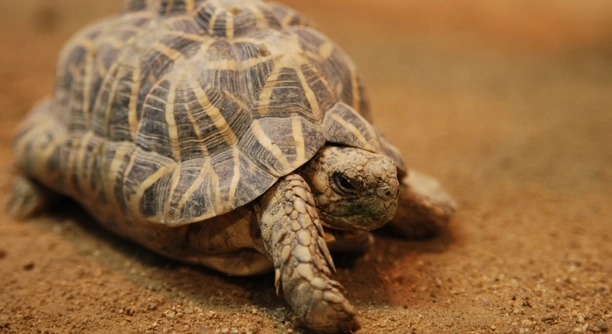
Indian star tortoises make wonderful pets, but setting up their habitat correctly is crucial for their well-being. Many owners unknowingly make mistakes that affect their tortoises’ health and comfort. This guide will address some common issues.
When setting up a tank for Indian star tortoises, common mistakes can include improper lighting, incorrect substrate, inadequate humidity, and inappropriate tank size. These factors may lead to health problems, stress, or discomfort for the tortoise.
By understanding these mistakes, you can provide a better environment for your tortoise. The right set-up ensures they thrive and live a long, healthy life in captivity.
Mistake 1: Incorrect Lighting Setup
Proper lighting is essential for Indian star tortoises, as they rely on UVB rays to metabolize calcium and maintain healthy shells. Without UVB light, your tortoise can develop metabolic bone disease, which can cause deformities and health issues. Many owners rely on regular light bulbs, which do not provide the necessary UVB exposure. Make sure to invest in a UVB lamp, and position it to ensure the tortoise can bask under it for around 10-12 hours daily.
UVB light is vital for tortoises to absorb calcium and keep their bones and shell strong. Without it, your pet’s health will decline.
Avoiding UVB lighting mistakes helps you maintain a healthy and happy tortoise. When their lighting needs are met, they are more active and less likely to suffer from serious conditions.
Mistake 2: Using the Wrong Substrate
The type of substrate you use in your tortoise’s tank is more important than it might seem. Sand, soil, and wood chips may look nice, but some can be harmful if ingested or difficult to clean. It’s essential to choose a substrate that’s safe, easy to maintain, and supports the tortoise’s natural behaviors.
A good option is a mix of coconut coir or a reptile-safe soil blend, as it retains moisture and allows the tortoise to dig. Avoid using gravel or sand unless you are prepared to carefully monitor its use.
Substrate that holds moisture is especially important for humidity control. This will help your tortoise shed properly, avoiding skin issues and promoting overall health. A dry environment can also stress your tortoise, making them more vulnerable to illness.
Mistake 3: Inadequate Humidity Levels
Humidity plays a crucial role in the well-being of Indian star tortoises. Too little humidity can lead to dehydration, while too much can create conditions that promote fungal infections. Keeping the tank at the right humidity level is essential to avoid these problems.
Aim for 50-70% humidity in the enclosure. This will help your tortoise shed properly and stay hydrated. Use a humidity gauge to monitor levels accurately and adjust with misting or a humidifier if needed.
A proper humidity range supports your tortoise’s overall health. Too little moisture can lead to skin shedding issues and respiratory problems, while excess moisture might create fungal growth. Ensure the environment is just right.
Mistake 4: Overcrowding the Enclosure
Your tortoise needs space to roam and feel secure. Keeping too many tortoises in one tank can stress them out and lead to health problems. It’s essential to provide enough room for each tortoise to move comfortably without feeling trapped or overcrowded.
A single tortoise needs a minimum of 40 gallons of space. For each additional tortoise, increase the space by about 20 gallons. This gives each one enough room to explore, bask, and hide. Avoid the temptation to overcrowd as it can lead to territorial disputes and unhealthy conditions.
FAQ
What is the best temperature for an Indian star tortoise tank?
Indian star tortoises need a temperature range between 75-85°F (24-29°C) during the day. For basking areas, aim for 90°F (32°C). At night, the temperature can drop to around 70°F (21°C). Make sure you use a thermometer to monitor temperatures and adjust your heating setup accordingly.
Having a temperature gradient allows your tortoise to choose the spot that feels most comfortable to them. Proper heat is necessary for digestion and overall health. If the tank gets too cold, it may become lethargic or stop eating, which can harm its health.
How often should I feed my Indian star tortoise?
Indian star tortoises should be fed every 2-3 days, as they are herbivores. Their diet should consist mainly of dark leafy greens, such as collard greens, dandelion greens, and romaine lettuce. Avoid feeding them too much fruit, as it can upset their digestive system.
It’s important to provide a variety of food to ensure they get all the nutrients they need. Including some flowers like hibiscus or dandelions can also be beneficial. Always remove any uneaten food to prevent mold or bacterial growth in the tank.
Can I handle my Indian star tortoise often?
Indian star tortoises are not particularly social animals and prefer to be left undisturbed. While short handling sessions are okay, it’s essential to avoid frequent or rough handling. Excessive handling can cause stress and discomfort for the tortoise, leading to health problems.
If you need to handle them, always support their body properly and avoid lifting them by the shell. Keep sessions brief and observe your tortoise’s reaction to ensure they are not stressed. Over time, they may get used to you, but respect their space.
Do Indian star tortoises need a companion?
Indian star tortoises are solitary creatures and do not necessarily need a companion. Keeping them alone is often the best option, as they can be territorial and may become stressed or aggressive around other tortoises.
If you choose to house multiple tortoises, make sure they have ample space and that they are compatible. Be prepared to monitor them closely for any signs of aggression. Overcrowding can lead to serious issues, so it’s best to err on the side of caution.
How can I tell if my tortoise is sick?
Common signs of illness in tortoises include lethargy, loss of appetite, unusual discharge from the eyes or nose, and difficulty walking. If you notice any of these symptoms, it’s important to consult a veterinarian familiar with reptiles as soon as possible.
Other red flags include shell deformities, changes in the texture of the shell, or visible wounds. Tortoises are often very good at hiding their discomfort, so regular health checks are essential. Always monitor their eating habits and behavior to detect issues early.
How do I clean the tank properly?
Regular tank cleaning is crucial for preventing disease and maintaining a healthy environment for your tortoise. Clean the substrate, remove uneaten food, and wipe down surfaces at least once a week. Use reptile-safe cleaning products or a vinegar-water solution to clean the tank thoroughly.
Be sure to disinfect the tank and replace the substrate every few months. Scrub any decor, rocks, or hides with warm water and remove any debris. Proper cleaning prevents the growth of bacteria and keeps your tortoise’s living area hygienic.
Do I need to provide a water dish for my tortoise?
Yes, it’s important to provide a shallow water dish in the enclosure at all times. Indian star tortoises drink water regularly, and it also helps with their humidity. Make sure the dish is shallow enough for your tortoise to get in and soak but not deep enough to cause accidental drowning.
Changing the water daily will help maintain cleanliness and prevent any buildup of bacteria. Keep the water dish in a place where the tortoise can easily access it, but not near their basking spot where it could become too warm.
How do I handle shedding in Indian star tortoises?
Shedding is a natural process for tortoises, but improper humidity or diet can make it difficult. If your tortoise is shedding poorly or excessively, it could be a sign that the humidity levels in the tank are too low or that they’re not getting enough calcium in their diet.
To assist with shedding, make sure your tortoise has access to proper humidity levels and a balanced diet. Soaking your tortoise in shallow, lukewarm water for a few minutes can also help with the shedding process. However, avoid pulling off any shedding skin yourself, as this can lead to injury.
How long can Indian star tortoises live?
Indian star tortoises can live for over 50 years in captivity, making them long-term companions. Proper care, a balanced diet, and a suitable environment are essential to ensure they live a long and healthy life.
To promote longevity, avoid common mistakes such as overcrowding, improper lighting, and incorrect humidity levels. A well-maintained habitat, regular health checks, and attention to their needs will help your tortoise thrive for many years.
Final Thoughts
Caring for an Indian star tortoise is a long-term commitment, and understanding their needs is essential for their health and happiness. Setting up their tank correctly is crucial, as they depend on a well-maintained environment to thrive. By focusing on key factors like proper lighting, humidity, substrate, and temperature, you can provide a home that keeps them comfortable and healthy. Every detail matters, from the space they need to the food they eat, and with a little attention, your tortoise can live a long and happy life.
While it may take some time to fully understand the specific requirements of your Indian star tortoise, it’s important to stay patient and consistent. Over time, you’ll notice your tortoise becoming more active and relaxed as they adjust to their environment. Regular cleaning and monitoring their health are vital to keeping their habitat in top condition. Routine maintenance and being observant of any changes in their behavior will ensure that you catch any potential issues early, making it easier to resolve them before they become serious problems.
In the end, the effort you put into creating the right environment for your tortoise will pay off. When everything is set up properly, your tortoise will not only look good but will feel comfortable and safe. They are hardy creatures, but their well-being depends on the environment you provide. Taking the time to understand and meet their needs will result in a rewarding experience, allowing you to enjoy the company of your Indian star tortoise for many years to come.

Hello,
If you enjoy the content that we create, please consider saying a "Thank You!" by leaving a tip.
Every little bit helps us continue crafting quality advice that supports the health, happiness, and well-being of pets around the world, for pets of all shapes, sizes, and species.
We really appreciate the kindness and support that you show us!