
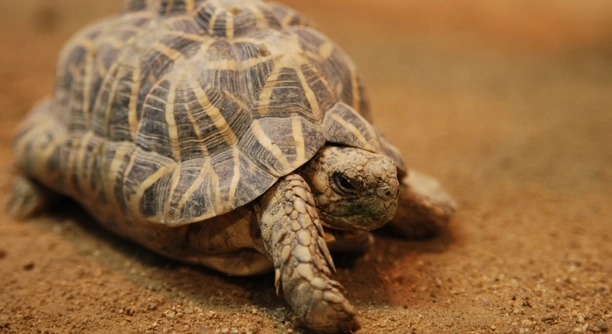
Indian Star Tortoises are fascinating creatures, known for their unique shell patterns and calm demeanor. Creating a naturalistic habitat for them is essential to ensure they live a healthy and stress-free life.
To make a naturalistic habitat for Indian Star Tortoises, you need to replicate their native environment. Focus on creating a warm, dry, and spacious area with plenty of hiding spots, a shallow water source, and suitable substrate for burrowing.
Proper care and attention to detail are essential for the well-being of your tortoise. Understanding their natural needs will help you create a comfortable and enriching space for them to thrive.
Choosing the Right Enclosure Size
The size of the enclosure is crucial for your Indian Star Tortoise’s well-being. Ideally, you want an enclosure that offers plenty of space for your tortoise to roam freely. A large area will allow your tortoise to display its natural behavior, like walking and exploring, which is important for their mental and physical health. A minimum of 4 feet by 2 feet is recommended for one adult tortoise. For multiple tortoises, you’ll need a larger space.
If your tortoise doesn’t have enough room, it may become stressed, leading to health problems. Providing a spacious area ensures that they can have enough exercise, which is vital for strong muscles and healthy bones.
Be sure to include some climbing structures, ramps, and hiding spots. These additions help simulate the variety of terrains tortoises encounter in the wild, making them feel more at home. Proper enclosure size also helps regulate the tortoise’s environment, keeping it comfortable throughout the day and night.
Substrate Selection for Comfort
The substrate you choose affects both the comfort and cleanliness of your tortoise’s habitat. Use a dry, loose substrate, like coconut coir, sand, or a mix of both.
Avoid using pine or cedar shavings as these can release harmful oils and cause respiratory issues. The right substrate also allows your tortoise to dig and burrow, mimicking natural behaviors. It helps maintain humidity and temperature levels, making it easier to keep the habitat balanced. The bedding should be replaced regularly to avoid bacteria buildup and maintain cleanliness.
Choose a substrate that is safe and easy to clean. Keep it fresh and dry to prevent mold growth, which could harm your tortoise. The ideal substrate is one that keeps your tortoise comfortable and helps maintain a healthy habitat without much effort.
Temperature and Lighting
Indian Star Tortoises thrive in warm environments. The temperature range should be between 85°F to 95°F during the day, with a cooler nighttime drop to around 70°F to 75°F.
To achieve this, use a heat lamp to create a basking area where your tortoise can absorb heat. This should be the warmest spot in the enclosure. The rest of the habitat should remain slightly cooler to allow your tortoise to regulate its body temperature. Avoid hot spots that exceed 100°F, as they can stress the tortoise. Make sure to use a thermometer to monitor the temperature accurately.
For nighttime, a ceramic heat emitter can maintain warmth without disturbing the tortoise’s sleep cycle. Make sure your enclosure is large enough to allow your tortoise to move between cooler and warmer areas, creating an environment where it can self-regulate.
Humidity Levels
Humidity is also an essential factor to keep in mind. Indian Star Tortoises prefer a relatively dry environment but still need some moisture for hydration and to prevent skin shedding issues.
Aim for humidity levels between 40% and 60%. If the air is too dry, your tortoise may struggle with shedding, leading to health problems. A shallow water dish can help maintain the right humidity while providing your tortoise with access to water. Ensure the water is changed regularly to keep it clean and fresh.
In drier climates, consider adding a humidity box or spraying the substrate lightly to maintain moisture. It’s important to monitor humidity closely, as too high or too low can cause problems. Use a hygrometer to ensure your tortoise’s habitat remains in the ideal range.
Providing Hiding Spots
Indian Star Tortoises need hiding spots to feel secure. Offering a few shaded areas or small structures can help reduce stress.
Hiding spots allow your tortoise to retreat and feel safe. This is especially important during the daytime when they might want to rest or escape from direct light. Consider placing rocks or logs for them to hide under.
Water Source
Provide a shallow water dish large enough for your tortoise to soak in. This helps with hydration and allows for occasional bathing.
Make sure the dish is low enough for the tortoise to climb in and out of easily. Change the water frequently to ensure cleanliness and prevent contamination. This will also encourage drinking and soaking behavior.
Enclosure Decorations
Adding natural elements like rocks, plants, or logs can make the environment more enriching. These additions simulate a natural habitat, giving your tortoise a more comfortable space.
FAQ
How often should I feed my Indian Star Tortoise?
Feeding your Indian Star Tortoise should be done 3 to 4 times a week. They are herbivores, so their diet mainly consists of leafy greens, grasses, and some fruits. Offer a variety of safe, fresh greens like dandelion leaves, collard greens, and hibiscus flowers. Avoid feeding them too much fruit, as it can lead to digestive problems. It’s important to offer different types of food to ensure a balanced diet. Always remove any uneaten food after a few hours to avoid spoilage.
What should I do if my tortoise isn’t eating?
If your tortoise isn’t eating, it could be due to environmental factors, like incorrect temperature or humidity. Ensure the habitat is at the right temperature range (85°F to 95°F during the day) and that the humidity is not too low or too high. Stress can also affect their appetite, so check if there’s enough space, hiding spots, or if there are any sudden changes in their environment. If these factors are in check and the tortoise still isn’t eating, it’s best to consult a vet to rule out any health issues.
Can I keep more than one tortoise together?
Yes, you can keep more than one Indian Star Tortoise together, but it depends on their temperament and the space available. If you decide to house more than one, make sure the enclosure is large enough for each tortoise to have its own space. Some tortoises can be territorial, especially if there’s limited space. Always observe them for signs of aggression, and separate them if necessary. Be sure to provide enough food, water, and hiding spots for each tortoise to prevent competition.
How do I maintain proper humidity for my Indian Star Tortoise?
Maintaining proper humidity involves keeping it between 40% and 60%. To achieve this, provide a shallow water dish that’s changed regularly. You can also lightly mist the substrate to maintain humidity levels, but be careful not to make it too wet. If your home is too dry, consider using a humidity box or a small humidifier near the enclosure to increase moisture. A hygrometer will help you keep track of humidity and adjust if necessary. Remember, excess moisture can lead to mold or bacteria growth, so always keep an eye on the substrate.
How do I handle my tortoise?
Handling should be kept to a minimum as tortoises don’t enjoy being picked up frequently. If you need to handle your tortoise, support its body properly by lifting with both hands and keeping it close to your chest. Avoid grabbing them by the shell or tail, as this can cause them stress or injury. When you do handle your tortoise, do it gently and avoid sudden movements. Over time, your tortoise may become more accustomed to you, but always respect their space and preferences.
What kind of light should I provide for my Indian Star Tortoise?
Indian Star Tortoises need both UVB and heat lamps. UVB light helps them metabolize calcium, which is essential for healthy shell and bone development. A heat lamp creates a basking spot that should be around 95°F to 100°F to allow your tortoise to thermoregulate. Place the lamp at one side of the enclosure so your tortoise can move between the warm and cooler areas. Be sure to turn off the heat lamp at night and provide a drop in temperature to mimic a natural day-night cycle.
How can I tell if my tortoise is healthy?
A healthy tortoise will have clear, bright eyes and smooth, firm shells. Look for signs of active behavior, such as walking around and eating regularly. If the shell is soft or the eyes are cloudy, it could indicate an issue. Check the feces regularly – a healthy tortoise should produce firm, dark droppings. Also, ensure your tortoise isn’t losing weight. If you notice lethargy, refusal to eat, or changes in behavior, it may be time to consult a vet. Regular health checkups are always a good practice to ensure your tortoise stays in good condition.
What should I do if my tortoise is shedding excessively?
Excessive shedding can happen due to humidity issues, an improper diet, or stress. Ensure that the humidity level is ideal, around 40% to 60%. If the shell becomes flaky and rough, you can gently soak the tortoise in shallow, lukewarm water to help with the shedding process. Be cautious not to peel the skin off, as this can cause harm. If the shedding persists or you notice abnormal patches on the shell, consult a veterinarian to rule out fungal infections or other health problems.
Can I use a regular bulb for heating?
It’s best to use a specialized reptile heat bulb, as regular bulbs may not emit the proper heat or UVB rays needed for your tortoise. UVB light is essential for calcium absorption, and using a reptile-specific bulb ensures that your tortoise gets the necessary light to stay healthy. Additionally, regular bulbs may not maintain the proper temperature range for basking spots. Be sure to check the wattage and the type of bulb to ensure it meets the needs of your tortoise’s habitat.
Final Thoughts
Creating a naturalistic habitat for your Indian Star Tortoise requires attention to detail and understanding their needs. The right space, temperature, humidity, and food are essential to ensure your tortoise thrives. A proper enclosure should provide room for movement, hiding spots, and the ability to bask in warmth. Without these basics, your tortoise may become stressed, which could lead to health problems. Providing an environment that closely mimics their natural surroundings will make them feel more secure and comfortable in their home.
One of the most important things to remember is that these tortoises are slow-moving and not suited for small or cramped spaces. A larger, spacious enclosure will allow your tortoise to roam freely, which is necessary for its physical and mental well-being. It’s also essential to monitor temperature and humidity levels regularly to maintain the perfect balance. Too much or too little of either can lead to problems such as dehydration, respiratory issues, or shedding difficulties. Consistent care and observation will help you keep your tortoise healthy and happy.
In the long run, an Indian Star Tortoise can live for several decades, so creating a sustainable, comfortable environment will benefit both you and your pet. With patience and careful planning, you can enjoy watching your tortoise grow and thrive in its habitat. Whether you’re a first-time tortoise keeper or have experience with reptiles, understanding the needs of these creatures will make a big difference in their overall quality of life. It’s all about creating a space that’s safe, enriching, and conducive to their natural behaviors.

Hello,
If you enjoy the content that we create, please consider saying a "Thank You!" by leaving a tip.
Every little bit helps us continue crafting quality advice that supports the health, happiness, and well-being of pets around the world, for pets of all shapes, sizes, and species.
We really appreciate the kindness and support that you show us!