
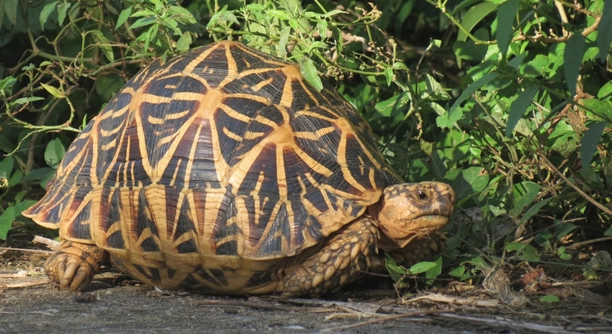
Indian star tortoises are popular pets known for their unique shells and calm nature. As pet owners, it is important to provide them with a diet that promotes good health and longevity. Certain foods can cause harm to these reptiles, and it’s essential to know what to avoid.
Feeding Indian star tortoises the wrong foods can lead to health issues such as digestive problems, kidney disease, and shell deformities. Some foods contain too much fat, phosphorus, or sugar, which are harmful to these tortoises’ delicate systems.
Understanding what foods to avoid is key to ensuring your tortoise thrives. With a proper diet, your pet can enjoy a healthy, happy life for many years to come.
1. High-Protein Foods
Indian star tortoises need a balanced diet to stay healthy. Too much protein can be harmful and cause kidney issues over time. Foods like meat, eggs, and dairy products are very high in protein. When given regularly, they put unnecessary strain on your tortoise’s kidneys.
These foods might seem appealing because they are rich in nutrients, but they can upset the tortoise’s natural digestion. Tortoises are herbivores, and their bodies are not built to process animal proteins. The excess protein can lead to an imbalance in their system, leading to kidney damage and possibly even death.
If you want to offer a well-rounded meal, focus on leafy greens and vegetables. Protein-rich foods should be avoided to prevent future health problems. Keeping their diet plant-based helps to support their overall health and keeps their kidneys functioning properly. Stick to a low-protein routine to ensure your tortoise’s well-being.
2. High-Fat Foods
Certain foods that are high in fat can be too much for an Indian star tortoise. These foods include nuts, seeds, and oily plants. Such foods can lead to obesity and other health concerns if offered in excess.
Offering fatty foods puts strain on your tortoise’s digestive system. While a small amount of fat is necessary for energy, too much can cause complications like bloating or problems with their liver and pancreas. Keep these items out of their diet.
Instead, aim to offer foods that are low in fat. Greens like dandelion leaves, clover, and grass are great for them. These types of foods help maintain their health while providing the necessary nutrients in the right amounts.
3. Fruits High in Sugar
Fruits like bananas, grapes, and mangoes may seem healthy, but they contain too much sugar for Indian star tortoises. Sugar can lead to obesity and other health issues if fed in large amounts. Offering sugary fruits should be done sparingly.
Sugar disrupts the balance of a tortoise’s digestive system and can cause a range of problems, including obesity and diabetes. Fruits like watermelon or apples can be given in moderation, but it is important to limit their frequency. These fruits contain higher water content and are less sugary compared to other options.
A good rule of thumb is to offer fruits only as an occasional treat. Stick to feeding your tortoise leafy greens, grasses, and vegetables, as these provide the right balance of nutrients. Giving them a sugar-heavy diet could affect their overall health, so it’s best to focus on foods more suited to their digestive needs.
4. Dairy Products
Dairy products, including milk, cheese, and yogurt, should be completely avoided in your tortoise’s diet. These foods are not suitable for tortoises and can cause serious digestive problems. Tortoises are lactose intolerant, meaning their bodies can’t process dairy.
Dairy products can cause bloating, diarrhea, and even dehydration in tortoises. Since their digestive systems are not built to break down lactose, offering dairy to your pet can lead to discomfort and poor health. The best option is to stick with foods that are high in fiber and low in fat.
To keep your tortoise healthy, focus on offering high-quality greens like collard greens, kale, and dandelion leaves. These provide necessary nutrients and help maintain a balanced diet. Always ensure that your tortoise’s meals are plant-based to avoid any digestive issues.
5. Processed Foods
Processed foods, such as packaged snacks or frozen meals, should be avoided. These often contain additives, preservatives, and high levels of salt, all of which are harmful to your tortoise’s health. These ingredients can disrupt their natural diet and digestion.
Feeding processed foods can lead to kidney and liver issues, making them a poor choice for any reptile. These foods also lack the necessary nutrients that tortoises need for growth and development. To ensure your tortoise stays healthy, stick with fresh, whole foods like greens, grasses, and flowers that are safe for them.
6. Toxic Plants
Certain plants are toxic to Indian star tortoises, and should never be included in their diet. Examples include oleander, azalea, and ivy. These plants can cause serious poisoning or death if ingested.
Toxic plants contain harmful compounds that affect the tortoise’s digestive and overall system. Even small amounts can lead to severe illness. It’s essential to familiarize yourself with common plants that are dangerous to your tortoise and keep them out of their environment. Always verify if any new plants are safe before feeding them.
7. Iceberg Lettuce
Iceberg lettuce is not suitable for Indian star tortoises. While it might seem like a harmless food, it lacks the essential nutrients needed for their health. It also has a high water content and very little nutritional value.
Feeding your tortoise iceberg lettuce can fill them up without providing any real benefit. Instead, offer darker, leafy greens such as collard greens, mustard greens, or kale. These are much better at providing the necessary vitamins and minerals your tortoise needs.
FAQ
What should I feed my Indian star tortoise instead?
Indian star tortoises thrive on a diet of fresh, leafy greens, such as dandelion greens, collard greens, and mustard greens. You can also offer a variety of grasses, flowers, and certain vegetables like squash, bell peppers, and carrots. Ensure that their diet includes calcium-rich foods like clover and dandelion leaves, as calcium is essential for their shell health.
How often should I feed my Indian star tortoise?
Adult Indian star tortoises should be fed every other day, while younger tortoises may need daily feeding. Make sure that each meal consists of fresh, healthy foods that are appropriate for their size and age. Overfeeding can lead to obesity, so always offer moderate portions based on their needs.
Can I feed my tortoise fruit every day?
No, fruit should only be offered occasionally. Fruits such as apples, watermelon, or strawberries can be given as treats in moderation. However, because they are high in sugar, too much fruit can lead to health issues like obesity or digestive problems. Focus mainly on leafy greens and other vegetables to meet their nutritional needs.
Is it okay to feed my tortoise flowers?
Yes, flowers can be a great addition to your tortoise’s diet. Safe flowers such as hibiscus, dandelions, and clover are nutrient-dense and will add variety to their meals. Just be sure the flowers are free of pesticides, as chemicals can harm your tortoise.
Can I feed my tortoise spinach?
Spinach should be fed sparingly, as it contains high levels of oxalates, which can bind to calcium and prevent proper absorption. While spinach is nutritious, frequent consumption can lead to calcium deficiencies and other health issues. Offer spinach occasionally, but prioritize other greens for their daily diet.
Are commercial tortoise pellets a good option?
Commercial tortoise pellets can be convenient, but they should not be relied upon as the primary food source. Many pellets contain added chemicals, preservatives, and low-quality ingredients that may not fully meet the nutritional needs of your tortoise. If you do use pellets, ensure they are specifically designed for tortoises and use them only as a supplement, not a main food source.
Should I give my tortoise supplements?
While a well-balanced diet should provide most of the necessary nutrients, you may need to offer calcium and vitamin D3 supplements, especially if your tortoise isn’t getting enough exposure to natural sunlight. Consult a reptile veterinarian to determine the correct type and dosage of supplements to keep your tortoise healthy.
Can I feed my tortoise leftovers or food scraps?
It’s not recommended to feed your tortoise leftovers or food scraps. These may contain harmful ingredients like salt, spices, or fats that could be dangerous for your tortoise’s health. Stick to fresh, safe foods to ensure they get the proper nutrients without any harmful additives.
What are the signs of an unhealthy diet in tortoises?
Signs that your tortoise might not be getting the right nutrition include lethargy, a lack of appetite, a soft or deformed shell, and abnormal weight gain or loss. If you notice any of these symptoms, it’s important to adjust their diet and consult with a veterinarian. A balanced diet is essential for their well-being.
Can my tortoise eat wild plants?
It is possible for your tortoise to eat wild plants, but caution is necessary. Ensure the plants are non-toxic and free from pesticides. Common safe wild plants include dandelions, clover, and grass. If you are unsure about a particular plant, it’s best to research it or consult a vet to avoid poisoning.
How can I make sure my tortoise gets enough hydration?
Indian star tortoises don’t drink much water directly from a bowl, but they stay hydrated by eating water-rich foods like cucumbers, leafy greens, and certain fruits. You can also provide a shallow dish of water for them to soak in, which helps with hydration. Make sure the water is changed regularly to keep it clean.
Is it okay to feed my tortoise cooked vegetables?
It’s best to feed your tortoise raw vegetables rather than cooked ones. Cooking vegetables reduces their nutritional value, and it can also affect the fiber content, which is essential for a tortoise’s digestion. Stick to fresh, raw vegetables to ensure your tortoise is getting the best nutrients possible.
Are there any foods that are toxic to Indian star tortoises?
Yes, several foods are toxic to Indian star tortoises, including avocado, onions, and rhubarb. Other toxic plants include oleander, azalea, and ivy. Always research any new food item before offering it to your tortoise. If you’re ever in doubt, it’s better to avoid feeding it altogether.
What can I do if my tortoise is not eating?
If your tortoise isn’t eating, check their environment for potential stressors, such as improper temperature, lighting, or humidity. Additionally, ensure that their diet is varied and includes their favorite foods. If the lack of appetite persists for more than a few days, consult a veterinarian to rule out any underlying health issues.
Can I feed my tortoise pet store salad mixes?
Pet store salad mixes should only be given if they do not contain any harmful ingredients, such as iceberg lettuce or high-sugar vegetables. Some mixes may contain lettuce or vegetables that are not ideal for your tortoise’s diet. Always check the ingredients list before feeding it to your tortoise.
How can I make my tortoise’s diet more interesting?
Variety is key to keeping your tortoise’s diet interesting. Rotate different types of leafy greens, vegetables, and edible flowers to keep their meals exciting. You can also try offering fresh grasses from your yard or garden, as long as they’re pesticide-free. Just be sure to maintain a healthy balance and avoid overfeeding.
Feeding your Indian star tortoise the right foods is crucial for its health and longevity. The wrong foods can lead to serious issues, such as kidney damage, digestive problems, or even death. It’s important to be mindful of what goes into their diet to keep them healthy and happy for years to come. While it may be tempting to offer fruits, dairy, or high-protein foods, these can cause more harm than good. Stick to a plant-based diet that includes fresh greens, grasses, and safe vegetables to give your tortoise the best chance at a long, healthy life.
When feeding your tortoise, always remember that variety is key. While it’s essential to avoid certain foods, there are many safe options you can include. Offer a range of nutritious vegetables, grasses, and flowers to provide the necessary vitamins, minerals, and fiber. Be sure to keep their meals fresh and avoid processed or packaged foods, as these often contain harmful chemicals or preservatives. By offering a balanced diet, you’ll help your tortoise grow and thrive while avoiding common health problems that can arise from poor nutrition.
Proper care and feeding will also ensure your tortoise remains active and energetic. If you notice any signs of poor health, such as lack of appetite or lethargy, it’s important to check their diet and consult a vet if needed. Keeping your tortoise hydrated is just as important as providing them with the right foods. Offering a shallow water dish for soaking and providing water-rich vegetables will keep them hydrated. In the end, a healthy diet combined with the right environment will help your tortoise live a long and fulfilling life.

Hello,
If you enjoy the content that we create, please consider saying a "Thank You!" by leaving a tip.
Every little bit helps us continue crafting quality advice that supports the health, happiness, and well-being of pets around the world, for pets of all shapes, sizes, and species.
We really appreciate the kindness and support that you show us!