
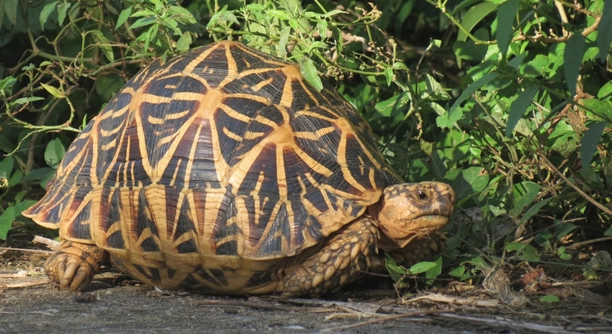
Overcrowding in Indian Star Tortoise enclosures can lead to stress, health problems, and even fighting. Understanding how to manage their living space is key to their well-being. Proper care will ensure a peaceful and healthy environment for your tortoises.
Preventing overcrowding requires careful planning of the enclosure size and proper management of the tortoises’ social dynamics. Regular monitoring of their behavior and environment ensures that space is ample for each individual, reducing the risk of conflict and stress.
Maintaining a well-balanced and spacious enclosure will keep your tortoises healthy and happy. This approach is essential for their long-term well-being.
Enclosure Size and Design
When setting up an enclosure for Indian Star Tortoises, the size matters. A too-small enclosure can lead to stress, reduced movement, and territorial behavior. Aim for a spacious area where your tortoises can roam freely. An enclosure of at least 4×8 feet for two adult tortoises is recommended. The design should provide hiding spots and accessible basking areas to meet their natural needs. Using a secure, sturdy structure with proper ventilation is crucial to ensure safety and comfort.
The floor should be flat, and the substrate should allow for burrowing but not pose risks to their health. Opt for a mixture of sand and soil. Avoid using gravel, as it can be harmful if ingested.
Proper enclosure design also involves placing visual barriers. This helps prevent tortoises from perceiving each other as competition. By giving them personal space, you’re allowing them to thrive both socially and physically.
Grouping and Social Interaction
Indian Star Tortoises are solitary creatures by nature. Keeping multiple tortoises in a single enclosure may lead to tension and overcrowding. It’s important to observe their behavior closely to ensure they’re not stressed or fighting.
A separate area for each tortoise is ideal. Each tortoise should have enough space to move freely without feeling cramped. When they’re housed together, ensure there are multiple food and water stations to reduce competition.
Monitoring their interactions helps identify any signs of aggression early. In some cases, introducing new tortoises into an enclosure might require gradual acclimatization to prevent conflict. Managing their social environment reduces stress and improves their overall health.
Proper Feeding Stations
Ensure each tortoise has access to its own feeding area. This prevents food-related competition and reduces stress. Place food in different corners of the enclosure to allow each tortoise to eat peacefully. It’s crucial to provide a variety of foods like leafy greens, fruits, and calcium sources to keep them healthy.
In crowded enclosures, feeding time can be chaotic. To avoid this, use multiple feeding stations that are far apart. You can place them on elevated surfaces to prevent all tortoises from crowding around the same area. This setup allows for a calmer, more controlled feeding environment.
Each station should be clean and offer food in a manner that avoids overfeeding. Monitoring food intake and removing any uneaten food helps maintain a healthy environment. By offering space and variety in their diet, you ensure they aren’t just well-fed, but also content in their living conditions.
Temperature and Humidity Control
Maintaining consistent temperature and humidity levels is essential for the well-being of your tortoises. A proper heat source, like a basking lamp, is necessary for regulating their body temperature. Ensure that one side of the enclosure is warmer than the other, allowing the tortoises to move between areas as needed.
Humidity control is equally important. Indian Star Tortoises need a moderate level of humidity, not too dry, but not overly moist either. The ideal humidity range is between 50% and 70%. Too much humidity can lead to respiratory issues, while too little can cause dehydration. Regularly misting the enclosure helps maintain the right levels.
Investing in a thermometer and hygrometer will help you monitor temperature and humidity accurately. It’s essential to keep these levels steady to prevent stress. Providing an environment that mimics their natural habitat ensures they remain healthy and comfortable.
Providing Hiding Spaces
Tortoises are naturally inclined to seek shelter and privacy. Including hiding spots in the enclosure is essential to reduce stress and promote well-being. Use items like rocks, logs, or hide boxes to create secure, quiet places for your tortoises. These spots allow them to feel safe and avoid unnecessary confrontation.
Ensure that the hiding spaces are accessible but large enough to allow each tortoise to retreat without feeling trapped. This prevents territorial disputes and helps maintain a peaceful environment. Regularly check these areas for cleanliness to avoid the buildup of waste or moisture.
Regular Cleaning
A clean enclosure is vital to your tortoises’ health. Remove uneaten food daily and clean any soiled areas. This prevents the growth of harmful bacteria and ensures a comfortable environment. Deep clean the enclosure once a week, disinfecting all surfaces, especially around the feeding and water areas.
Make sure to replace substrate regularly to avoid buildup of waste and bacteria. Using a substrate that’s easy to clean and replace will make this task much simpler. Keeping the enclosure clean reduces the risk of infections and provides a healthier space for your tortoises.
Environmental Enrichment
Providing environmental enrichment for your tortoises enhances their overall well-being. Including objects like rocks, plants, and logs not only gives them a more natural space but encourages physical activity. Rotate these items regularly to keep the enclosure interesting and to stimulate exploration. Tortoises enjoy climbing and exploring different textures.
You can also introduce shallow water dishes for drinking or soaking, which will promote hydration and encourage natural behaviors. Enrichment helps prevent boredom and encourages exercise, which is vital for their health. A well-designed enclosure provides both mental and physical stimulation for your tortoises.
FAQ
How many Indian Star Tortoises can live together in one enclosure?
It’s recommended to house only one to two tortoises per enclosure. Tortoises are territorial by nature, and overcrowding can lead to aggression. If you want multiple tortoises, ensure the enclosure is large enough, and monitor their interactions closely. Ideally, each tortoise should have its own space to move freely. Multiple tortoises in a small space can result in fights, stress, and health problems.
What size enclosure do Indian Star Tortoises need?
The minimum size for two adult Indian Star Tortoises is 4×8 feet, but larger is better. This provides enough space for them to roam, bask, and avoid conflict. A larger enclosure promotes better health and prevents stress-related issues. If you keep more than two tortoises, you should increase the space accordingly, providing at least 2-3 square feet per tortoise.
Can Indian Star Tortoises live with other species?
It’s generally not recommended to house different species of tortoises together. Indian Star Tortoises may become territorial, leading to aggression. Additionally, different species may have different care requirements, which can complicate maintaining their habitat. It’s best to keep them with their own kind unless you have extensive experience managing different species in one enclosure.
How do I know if my Indian Star Tortoise is stressed?
Signs of stress in Indian Star Tortoises can include hiding excessively, loss of appetite, excessive basking, or aggression. If your tortoise is constantly trying to escape the enclosure or is behaving unusually, it may be stressed. Stress can also lead to health issues, so it’s important to identify the cause and adjust their environment accordingly.
What temperature should I keep my Indian Star Tortoise enclosure?
Indian Star Tortoises need a temperature gradient in their enclosure. The basking area should be between 90-95°F, while the cooler end should be around 75°F. During the night, the temperature can drop to around 70°F. This gradient allows the tortoises to regulate their body temperature by moving between warmer and cooler areas as needed.
Do Indian Star Tortoises need UVB light?
Yes, UVB lighting is essential for Indian Star Tortoises. It helps them synthesize vitamin D3, which is crucial for calcium absorption and overall health. A UVB bulb should be provided for 10-12 hours a day, with regular bulb replacements every 6-12 months, as UVB output decreases over time.
What kind of substrate should I use for my tortoise enclosure?
A mix of organic soil and sand works well as a substrate for Indian Star Tortoises. It should be deep enough to allow for natural digging and burrowing behavior. Avoid using pine or cedar shavings, as they can cause respiratory issues. Ensure the substrate is dry but can hold some moisture for humidity control.
How often should I clean my tortoise’s enclosure?
You should spot clean the enclosure daily, removing uneaten food and any waste. A full cleaning, including replacing the substrate and disinfecting surfaces, should be done once a week. Keeping the enclosure clean is vital for preventing bacterial growth and ensuring a healthy environment for your tortoises.
Can I feed my Indian Star Tortoise the same food every day?
Variety is key in the diet of an Indian Star Tortoise. Offering a mix of leafy greens like collard greens, dandelion, and mustard greens, along with occasional fruits and calcium-rich foods, provides balanced nutrition. A monotonous diet can lead to nutritional deficiencies, so try to rotate the foods you offer regularly.
Is it safe to handle my Indian Star Tortoise?
While handling should be minimal to avoid stress, it’s okay to handle them gently for short periods. Always support their body properly and avoid picking them up by their legs or shell. Frequent handling can cause stress and disrupt their natural behavior, so ensure it is done infrequently and only when necessary.
What should I do if my tortoise is not eating?
If your tortoise isn’t eating, first check the temperature and humidity levels. Inadequate conditions can lead to loss of appetite. Also, consider if it’s a seasonal change, as tortoises may eat less in colder months. If the issue persists, consult a vet to rule out health problems such as parasites or respiratory infections.
Do Indian Star Tortoises need water?
Yes, Indian Star Tortoises need fresh water available at all times. A shallow dish should be provided for drinking, and it’s important to change the water regularly. In addition to drinking, offering a shallow water area for soaking can help with hydration and assist in shell care.
What type of light cycle should I provide for my tortoises?
Tortoises require a natural light cycle of around 12 hours of daylight and 12 hours of darkness. Using a timer for your UVB light and heat lamp will help maintain a consistent schedule, mimicking the natural environment. This helps regulate their circadian rhythms and supports overall health.
Why is my Indian Star Tortoise’s shell peeling?
Shell shedding is normal in tortoises and usually happens after growth periods. If the shedding is excessive or uneven, it could be a sign of dehydration or improper humidity. Ensure that the enclosure has proper humidity levels, and your tortoise is receiving adequate hydration to support a healthy shell.
Final Thoughts
Maintaining the right environment for your Indian Star Tortoise is essential for their overall health and well-being. Overcrowding is one of the most common mistakes made when housing these tortoises. With proper space, a balanced diet, and appropriate environmental conditions, your tortoise can thrive. A larger enclosure with hiding spots, proper lighting, and temperature gradients helps prevent stress and ensures your tortoises stay happy and healthy. Providing a clean, enriched habitat with a variety of food will help meet their natural needs and keep them active and content.
Monitoring the tortoises’ behavior and adjusting their environment as needed will go a long way in preventing overcrowding. A well-thought-out enclosure setup is key to reducing conflict between tortoises. Avoid cramming too many animals into a single space, as this can lead to aggression, territorial disputes, and health concerns. Each tortoise should have enough room to move, eat, and bask without competition. This ensures a calmer and more balanced life for them. Regular observation can also help spot early signs of stress, allowing you to take prompt action and prevent it from escalating into more serious problems.
Ultimately, the goal is to create an environment that mirrors their natural habitat as closely as possible. While they need space to roam, they also require privacy and places to hide when they feel threatened or stressed. By following these guidelines, you will not only avoid overcrowding but also improve the quality of life for your Indian Star Tortoises. Whether you are a first-time owner or have experience, keeping these principles in mind ensures your tortoises will enjoy a healthy and stress-free life in their enclosure.

Hello,
If you enjoy the content that we create, please consider saying a "Thank You!" by leaving a tip.
Every little bit helps us continue crafting quality advice that supports the health, happiness, and well-being of pets around the world, for pets of all shapes, sizes, and species.
We really appreciate the kindness and support that you show us!