
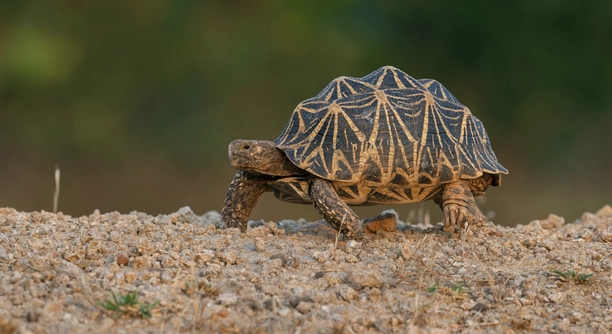
Many owners of Indian Star Tortoises often overlook the importance of proper tank lighting. Lighting plays a significant role in their overall health, influencing their behavior and well-being. Ensuring the right setup is essential.
Improving lighting in your Indian Star Tortoise’s tank involves providing adequate UVB and heat sources. Proper lighting helps maintain their temperature and promotes healthy shell growth, digestion, and overall activity levels. A balanced setup enhances their quality of life.
Making these adjustments will create a more comfortable environment for your tortoise and contribute to their long-term health.
Proper UVB Lighting for Your Tortoise
UVB light is essential for the health of your Indian Star Tortoise. It helps them produce vitamin D3, which is necessary for calcium absorption. Without it, your tortoise can suffer from metabolic bone disease. UVB lighting should be on for 10-12 hours daily to mimic the natural day-night cycle.
To ensure effective UVB exposure, place a high-quality UVB bulb in a spot where your tortoise can bask directly under it. The light should be positioned about 6-12 inches above the basking area. Using a UVB light specifically designed for reptiles will provide the right spectrum of light.
UVB light should be replaced every 6 months, even if it still looks functional. UVB bulbs lose their effectiveness over time. Ensure you replace them regularly to maintain the health of your tortoise. You can also use a combination of UVB and heat bulbs to create an ideal environment. These small adjustments can make a significant difference in their overall well-being.
Temperature Control in the Tank
Heat sources in the tank are just as important as UVB. The right temperature gradient allows your tortoise to regulate its body temperature by moving between warm and cool areas. Keep the basking spot at around 90°F to 95°F.
Maintaining the right temperature is crucial for digestion and overall health. Too much heat can lead to overheating, while too little can make your tortoise sluggish and affect their activity levels. Place a thermometer at both the warm and cool ends of the tank to monitor the temperature. It’s best to use a ceramic heat emitter for a more consistent heat source that doesn’t produce light. This way, your tortoise can rest undisturbed at night without light disrupting their natural sleep cycle.
By monitoring the heat levels and making adjustments when necessary, you can ensure your tortoise thrives. Having a proper temperature range helps prevent stress and ensures the tank mimics natural conditions. A small investment in temperature control can make a big impact on your pet’s health and happiness.
Lighting Duration
The duration of lighting is just as important as the type of light used. Your Indian Star Tortoise requires a consistent day-night cycle to regulate its biological clock. Keep the lights on for 10-12 hours per day, and make sure they turn off at night.
A timer is an excellent way to automate the light cycle and ensure consistency. By using a timer, you don’t have to manually turn the lights on and off every day. This helps avoid any disruptions in the tortoise’s schedule. A stable light cycle is vital for maintaining healthy behavior and optimal health.
While it’s tempting to leave the light on longer, it’s important to let your tortoise experience darkness during the night. This helps them rest and ensures they’re in sync with natural rhythms, promoting better sleep and digestion. Overexposure to light can stress them and negatively impact their well-being.
Lighting Placement
Lighting placement is crucial for creating the right environment for your tortoise. UVB and heat bulbs should be placed above the basking area to ensure your tortoise gets the benefits from both.
When positioning the lighting, ensure the bulbs are not too far from the basking spot. The heat and UVB rays lose intensity as they travel farther from the source. Aim to position the bulbs within 6-12 inches from the basking platform to ensure effective exposure.
Additionally, avoid placing the lights near areas of the tank where your tortoise is unlikely to spend time. Proper placement ensures that your tortoise gets consistent exposure to light, making it easier for them to regulate body temperature and enjoy the health benefits of UVB.
Choosing the Right Bulb
Selecting the right bulb is crucial for proper lighting. UVB bulbs come in various strengths, so choose one appropriate for the size of your tank and the species of tortoise. Too weak or too strong can lead to health issues.
Look for UVB bulbs that specifically target reptile needs. Mercury vapor bulbs are a good option as they combine both heat and UVB light in one. You’ll need to replace these bulbs regularly, usually every 6-12 months, as their effectiveness decreases over time.
Using Reflectors
A reflector can increase the efficiency of your lighting setup. It redirects light that would otherwise be lost, ensuring that your tortoise gets the most out of the bulbs.
Reflectors are especially useful for maximizing UVB exposure. They direct the light towards the basking area, making sure the tortoise receives the correct amount of UVB and heat. Placing a reflector behind the bulb can help ensure that your tortoise is getting sufficient light, even in a larger tank. You can find reflectors designed specifically for reptile lighting, which makes the setup much easier to maintain.
Avoiding Overheating
Overheating is a common issue when setting up lighting. Ensure the tank has a heat gradient with a warm side and a cooler side to let your tortoise regulate its body temperature.
Use thermostats and thermometers to monitor the temperature at both ends of the tank. The basking area should be around 90°F to 95°F, while the cooler side can be around 75°F to 80°F. Avoid placing heat bulbs too close to the tank’s surface to prevent excessive heat buildup.
FAQ
What type of light do Indian Star Tortoises need?
Indian Star Tortoises need UVB light to help them absorb calcium and produce vitamin D3. UVB light is essential for their bone health and overall well-being. Along with UVB, a heat source is necessary to maintain a proper temperature gradient in their tank, allowing them to regulate their body temperature.
How long should UVB lights be on each day?
UVB lights should be on for 10-12 hours each day to mimic the natural day-night cycle. A consistent light schedule is important to maintain your tortoise’s natural rhythms. It’s a good idea to use a timer to ensure the lights turn on and off automatically at the same time each day.
Can I use regular light bulbs for my tortoise tank?
Regular light bulbs are not sufficient for reptiles. You need specialized UVB bulbs that provide the right spectrum of light. These bulbs are designed to mimic the sun’s natural rays, providing the necessary UVB for your tortoise’s health. For heat, you should also use a bulb designed for reptiles to ensure it reaches the correct temperature range.
How close should the UVB bulb be to my tortoise?
The UVB bulb should be placed about 6-12 inches above the basking area. If it’s too far, the UVB rays won’t be effective. If it’s too close, it can cause overheating. The right distance ensures your tortoise gets the proper exposure to UVB without risk of burns.
How often should I replace UVB bulbs?
UVB bulbs should be replaced every 6-12 months, even if they still appear to be working. Over time, UVB bulbs lose their ability to produce the necessary light, and your tortoise will not get the full benefits. Always check the manufacturer’s recommendation for replacement timelines.
What temperature should the basking area be?
The basking area should be around 90°F to 95°F. This range allows your tortoise to warm up effectively and promotes proper digestion and overall health. The cooler side of the tank should be between 75°F and 80°F, creating a gradient where your tortoise can move between warm and cooler areas.
Can I use a heat mat for my tortoise tank?
Heat mats are not ideal for tortoises. They do not provide the necessary UVB light and can cause overheating in certain areas. It’s best to use a heat bulb or ceramic heat emitter, which creates a heat gradient in the tank and provides the necessary warmth for your tortoise without relying solely on a mat.
How do I prevent my tortoise from overheating?
To prevent overheating, ensure that the basking area is at the correct temperature (90°F to 95°F) and that the heat source is not too close to the surface of the tank. Use a thermometer to monitor the temperature at both ends of the tank, making sure there’s a cooler side for your tortoise to retreat to when it gets too hot.
Can I use a regular light for the night?
No, it’s best to turn off the UVB and heat lights at night to give your tortoise a rest period. Reptiles need darkness for proper sleep and digestion. If you need to maintain warmth, use a ceramic heat emitter, which provides heat without light and won’t disrupt their natural sleep cycle.
Should I use a timer for the lights?
Yes, using a timer is an effective way to ensure that the lights turn on and off at the same time every day. This helps maintain a consistent day-night cycle for your tortoise and reduces the risk of forgetting to adjust the lighting schedule manually. A timer makes the process much more convenient.
What kind of reflector should I use?
A reflector designed for reptile lighting can help maximize the efficiency of your light setup. It redirects light that would otherwise be wasted, focusing it on the basking area where your tortoise needs it most. Look for reflectors that are compatible with your UVB and heat bulbs, ensuring they can handle the heat output safely.
Why is my tortoise not basking?
If your tortoise is not basking, it could be due to incorrect lighting or temperature. Check the temperature to ensure it’s within the proper range (90°F to 95°F for the basking area). Also, make sure your UVB and heat bulbs are working correctly and positioned at the right distance.
Can my tortoise get too much UVB light?
Yes, overexposure to UVB light can cause burns or other health issues. Ensure that your UVB bulb is positioned at the correct height (6-12 inches above the basking area) and that your tortoise has access to a shaded area in the tank. If you’re unsure, monitor their behavior and look for signs of stress or discomfort.
Can I use natural sunlight for my tortoise’s lighting?
While natural sunlight is great for reptiles, it can be difficult to control and may not provide consistent UVB exposure. If you’re using natural sunlight, make sure the tortoise can get direct sunlight for 2-4 hours a day, and still provide artificial UVB lighting to ensure they get adequate exposure.
How do I know if my tortoise is getting enough light?
Signs that your tortoise may not be getting enough light include lethargy, poor appetite, and irregular shell growth. A lack of UVB exposure can lead to metabolic bone disease, so ensure you’re providing the correct lighting. Regularly check the lighting and temperature in the tank to avoid these issues.
Final Thoughts
Proper lighting is essential for the health and well-being of your Indian Star Tortoise. UVB light helps them process calcium and keep their bones strong, while heat ensures they can regulate their body temperature. Without the right setup, your tortoise can develop health issues, such as metabolic bone disease or difficulty digesting food. Creating a proper lighting system in the tank is one of the most important steps in keeping your tortoise healthy and happy.
Investing in the right lighting equipment, such as UVB bulbs and heat sources, is a simple but effective way to ensure your tortoise thrives. Pay attention to the specific needs of your tortoise and tank size. UVB bulbs should be replaced regularly, typically every 6-12 months, and proper distances should be maintained between the bulbs and the basking area to avoid overheating. Adding a reflector can also help make your lighting system more efficient. Keep track of the temperature in both the basking and cooler areas of the tank to ensure your tortoise always has access to the proper heat gradient.
Remember that lighting is not a one-time setup. Regular maintenance and checking of the lights and temperatures are necessary to ensure they continue working properly. If you notice any issues with your tortoise, such as a lack of basking or poor shell health, double-check your lighting system and adjust it as needed. By providing consistent, proper lighting, you’ll ensure that your Indian Star Tortoise remains healthy, active, and comfortable in its tank.

Hello,
If you enjoy the content that we create, please consider saying a "Thank You!" by leaving a tip.
Every little bit helps us continue crafting quality advice that supports the health, happiness, and well-being of pets around the world, for pets of all shapes, sizes, and species.
We really appreciate the kindness and support that you show us!