
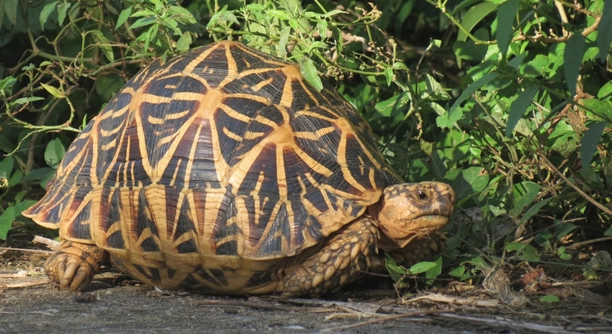
Indian star tortoises are fascinating creatures known for their unique behaviors, including their love for digging. Understanding why these turtles dig is important for anyone caring for them. Let’s explore the top reasons behind this curious habit.
Indian star tortoises dig primarily to find shelter, regulate body temperature, and create a comfortable environment. Digging also plays a significant role in their search for food, as well as in nesting behavior and territorial marking.
This natural instinct is a key part of their lifestyle. Exploring why they dig helps us understand how we can support their well-being.
Shelter and Protection
Indian star tortoises are naturally drawn to digging as a way of creating a safe shelter. In the wild, they dig burrows to protect themselves from predators and harsh weather. These shelters provide them with a place to hide and feel secure. For a tortoise, being underground is one of the best ways to stay safe from external threats. Digging gives them a sense of control over their environment, allowing them to create a space where they can rest without fear.
When kept as pets, providing a space where they can dig is important for their comfort and security. A substrate that allows them to burrow is ideal. This gives them the same feeling of safety they would experience in the wild.
It’s essential to recreate their natural habitat as much as possible to reduce stress. A simple, sandy or earthy surface will allow your tortoise to indulge in this natural behavior. Encouraging this instinct can lead to a healthier, more comfortable pet.
Temperature Regulation
Temperature plays a crucial role in the life of an Indian star tortoise. By digging, these tortoises can find cooler or warmer areas depending on their needs. Digging helps them regulate their body temperature, which is important for their metabolism and overall well-being.
In the wild, tortoises dig to find ground that is either cooler during the day or warmer at night. This behavior helps them maintain the optimal body temperature. If you’re keeping a tortoise as a pet, it’s important to provide spaces where it can dig and control its temperature.
A well-maintained habitat will allow the tortoise to bury itself when it feels too hot, or emerge when it needs more warmth. Ensuring your pet has access to both warmer and cooler spots can improve its health.
Nesting and Reproduction
Indian star tortoises dig to create nests for laying their eggs. The digging helps them find a safe, suitable spot where their eggs can be buried and incubated at the right temperature. Nesting behavior is crucial for reproduction and survival of the species.
In the wild, female tortoises dig deep to ensure their eggs are hidden from predators. The nesting site needs to be secure, stable, and at the right depth for proper egg development. Providing a similar environment for pet tortoises encourages them to exhibit their natural behavior and successfully reproduce if necessary.
If your tortoise is showing signs of nesting, offer an area with deep, loose substrate. Allowing them to dig helps reduce stress and maintain their overall well-being. A healthy, comfortable nesting space will make them feel safe and secure while laying eggs.
Searching for Food
Digging is also a way for tortoises to search for food. In the wild, they dig to uncover hidden plants, roots, and other edible materials. This natural foraging behavior helps them meet their nutritional needs. It’s instinctive and essential for their survival.
Tortoises dig in the soil or beneath vegetation to find food that may not be visible on the surface. They are persistent, using their strong front legs to burrow through the earth. This behavior is crucial for their diet in the wild and can still be seen in captivity if they’re given enough space to explore.
Providing a variety of natural food sources in their environment can encourage them to use this digging behavior. It’s important to offer a suitable habitat where they can forage freely. A well-kept enclosure with plants and soil encourages their natural instincts to search for food.
Territorial Marking
Indian star tortoises also dig to mark their territory. They use their strong front legs to dig and create small mounds or depressions. These markings signal to other tortoises that this space is occupied. It’s a natural way of establishing boundaries.
This behavior is common during the mating season or when they feel threatened. Digging and marking their territory helps them communicate with other tortoises, letting them know where they belong. While this is more noticeable in the wild, pet tortoises may also display similar behaviors in their enclosures.
Understanding this instinct is essential to managing your tortoise’s environment. Providing enough space can help prevent unnecessary stress.
Comfort and Stress Relief
Digging provides comfort and helps reduce stress for tortoises. The repetitive motion of digging can calm them, especially if they feel anxious or insecure. It’s an outlet for excess energy and tension.
A pet tortoise in an enriched environment with space to dig will likely feel more relaxed. The ability to engage in this natural behavior helps to maintain their mental health and emotional well-being. If a tortoise cannot dig, it may become restless or more prone to stress-related issues.
Natural Instincts
Indian star tortoises are driven by instincts that help them survive. Digging is one of those basic behaviors that aligns with their natural needs. These behaviors help them feel more at home, whether they are in the wild or in captivity.
FAQ
Why do Indian star tortoises dig so much?
Indian star tortoises dig for several reasons, including shelter, temperature regulation, nesting, and food searching. Digging helps them find a safe place to hide from predators, regulate their body temperature, and even create a space for laying eggs. In captivity, they dig out of instinct and to relieve stress or boredom.
How deep should I allow my tortoise to dig?
Your tortoise should be able to dig a few inches deep, depending on the size of your pet and the type of substrate you provide. A good depth is around 4–6 inches of loose soil or sand. This allows them to create a suitable burrow and engage in natural digging behaviors. If you offer deeper layers, it can help replicate the wild conditions and allow for more comfort.
Can digging hurt my tortoise?
Digging itself doesn’t hurt your tortoise, but it’s important to make sure they’re in a safe, secure environment. If they’re digging in unsuitable or harmful materials, like sharp objects or too-hard surfaces, it can cause stress or injury. Ensure the substrate is soft and clean to prevent any damage.
What type of substrate is best for digging?
The best substrates for digging are ones that are soft, loose, and easy to burrow into. A mixture of sand and soil, or coconut coir, can work well. Avoid using bedding materials like cedar or pine, as they can cause respiratory problems and discomfort for your tortoise.
How can I encourage my tortoise to dig?
To encourage digging, provide a space where the tortoise feels comfortable and safe. Make sure their enclosure has deep enough substrate, ideally 4–6 inches, so they can dig. Adding hiding spots and natural elements like rocks or plants also helps create a more natural, enriching environment for them.
Do Indian star tortoises always dig in captivity?
Not every Indian star tortoise will dig all the time, but many will engage in digging if given the right environment. Some tortoises may dig more frequently than others, depending on their age, health, and individual needs. Offering a substrate that allows digging will increase the chances of this behavior.
How can I prevent my tortoise from digging out of their enclosure?
If your tortoise is trying to dig out of its enclosure, it’s important to make sure the walls are tall enough and the substrate is secure. You may need to reinforce the sides of the enclosure with higher barriers or bury a section of the wall underground. Tortoises are great diggers, so prevention is key.
Is it normal for my tortoise to dig when they are stressed?
Yes, tortoises can dig when they are stressed, bored, or trying to escape from an uncomfortable environment. Providing a stimulating and comfortable habitat is essential to minimize stress. Make sure your tortoise has enough space, food, and hiding places to feel secure. If the digging becomes excessive or frantic, it could indicate a need for change in their living space.
Can I stop my tortoise from digging?
You can’t fully stop your tortoise from digging, as it’s a natural and essential behavior. However, if digging becomes problematic, you can adjust their environment. Providing proper substrates, more space, and enrichment will likely reduce unnecessary or overly aggressive digging.
How often should I change the substrate in my tortoise’s enclosure?
It’s a good idea to change the substrate every few weeks to keep it clean and odor-free. If your tortoise is actively digging, it’s important to replace the substrate regularly to maintain a hygienic environment. Make sure to spot-clean the area daily, especially if your tortoise is eating or defecating in specific spots.
Should I let my tortoise dig outside the enclosure?
Allowing your tortoise to dig outside their enclosure can be beneficial, but only in a secure, safe space. If you let them roam, ensure that the area is free of predators and hazards like sharp objects or toxic plants. Be sure to supervise them, as they could easily dig and escape.
What if my tortoise is digging excessively?
Excessive digging can be a sign of stress, boredom, or discomfort. If your tortoise is digging too much, it’s important to assess their habitat. Are they comfortable? Do they have enough space, warmth, and enrichment? Check for signs of discomfort and try to modify their environment if needed.
How do I know if my tortoise is digging because of boredom?
Boredom-driven digging often happens when a tortoise has limited space or stimulation. If your tortoise is constantly digging in the same area without stopping, they might be bored. Ensure that their enclosure has plenty of enrichment, like hiding places, rocks to climb, and enough room to roam.
Can tortoises dig to escape?
Yes, tortoises can dig to escape, especially if they’re stressed, confined in too small of a space, or if they sense danger. To prevent this, make sure your tortoise’s enclosure is secure and designed to prevent escape. Burying the walls a few inches into the ground can be an effective way to keep them from digging out.
Do Indian star tortoises dig for any other reasons?
While shelter, food, and temperature regulation are the main reasons Indian star tortoises dig, they can also dig for social reasons or to create a space to rest. Some tortoises dig to create a comfortable environment when they feel it’s time to rest, or if they are preparing for sleep.
Final Thoughts
Indian star tortoises are fascinating creatures, and digging is a natural part of their behavior. It’s a way for them to stay safe, regulate their body temperature, and even search for food. Understanding this instinct is important for anyone who cares for them. When kept as pets, providing the right environment can help your tortoise live a happier, healthier life. Ensuring they have a space to dig allows them to feel more comfortable, reduce stress, and engage in natural behaviors that are essential for their well-being.
It’s also important to consider their habitat carefully. Tortoises need enough space, a proper substrate for digging, and a secure area where they feel safe. The right conditions can help reduce stress-related behaviors and ensure your pet can thrive. If your tortoise seems to be digging excessively, it may be a sign of boredom or discomfort, so it’s worth checking their environment for any issues. Sometimes a small change in their setup can make a big difference in their behavior and overall health.
Overall, digging is not something to be discouraged. It’s a sign that your tortoise is following its instincts and engaging with its environment. By understanding why your tortoise digs, you can create a space that supports this natural behavior. With the right care, your tortoise can enjoy a long, happy life. Whether they’re seeking shelter, nesting, or just looking for food, digging is an essential part of their daily routine.

Hello,
If you enjoy the content that we create, please consider saying a "Thank You!" by leaving a tip.
Every little bit helps us continue crafting quality advice that supports the health, happiness, and well-being of pets around the world, for pets of all shapes, sizes, and species.
We really appreciate the kindness and support that you show us!