
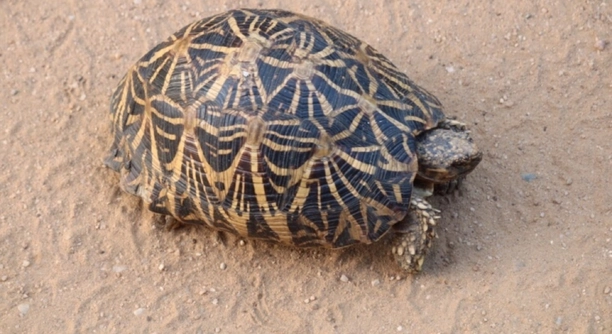
Indian Star Tortoises, like many reptiles, may occasionally show aggressive behavior. Understanding why they act this way and how to handle it can improve your relationship with these fascinating creatures and help maintain their well-being.
Aggression in Indian Star Tortoises can be managed by understanding their natural behavior and needs. Factors such as territorial instincts, environmental stress, and improper handling contribute to aggressive tendencies. Creating a calm, secure habitat and using gentle interactions can reduce aggression.
By recognizing the root causes and adjusting care, you can foster a more peaceful environment for your tortoise. Keeping their space stress-free and consistent is key to reducing aggressive tendencies and ensuring their comfort.
Understanding Aggressive Behavior in Indian Star Tortoises
Aggressive behavior in Indian Star Tortoises often stems from natural instincts like territoriality or stress. These tortoises are generally calm creatures, but certain situations can trigger defensive reactions. For instance, if they feel threatened or cornered, they might hiss, bite, or hide. It’s important to recognize these signs early on. Environmental factors, such as overcrowding, improper temperatures, or unfamiliar surroundings, can lead to discomfort and aggression. Properly assessing their needs and understanding their triggers is key to preventing unwanted behavior.
Providing your tortoise with a stress-free environment can make a noticeable difference. By ensuring they have a safe space with enough room to roam and adequate shelter, their aggression can be minimized.
Handling also plays a significant role in reducing aggressive tendencies. Tortoises should be handled gently and infrequently, as constant physical interaction can cause them to feel anxious. Keeping them in a stable environment with routine care allows them to feel secure, which helps prevent aggression from occurring.
Environmental Factors That Impact Behavior
Even subtle changes in a tortoise’s habitat can impact their temperament. Lighting, temperature, humidity, and space all play a role in their comfort and behavior. Indian Star Tortoises, in particular, are sensitive to shifts in their environment. Inadequate lighting, for example, may cause them to feel vulnerable, leading to defensiveness. Similarly, a small enclosure can result in stress from limited movement. Temperature is another factor that cannot be ignored, as tortoises thrive in a specific range, and a fluctuation can cause discomfort.
To maintain a calm tortoise, it’s essential to monitor these variables closely. Ensure the enclosure provides warmth and UVB light to keep them healthy and at ease. The right balance of temperature and humidity can go a long way in reducing stress. A spacious enclosure with hiding spots and the option for exploration helps keep them content and less likely to display aggression.
Handling Indian Star Tortoises Properly
Handling your tortoise the right way can prevent aggression. Always approach them slowly and avoid sudden movements that could startle them. When picking them up, support their body fully, especially their legs and shell, so they feel safe. Keep interactions brief and gentle to avoid causing stress.
Tortoises can be quite sensitive to how they’re handled. The way you lift them and where you place them can make a difference in their behavior. When you handle them, avoid gripping too tightly or restricting their movements. The more confident they feel in your presence, the more likely they are to stay calm. Avoid excessive handling, as this can stress them out. Less is more when it comes to tortoises and physical interaction.
Some tortoises may get used to being handled with regular exposure. However, always pay attention to their body language. If they start hissing or trying to withdraw into their shell, it’s a sign that they feel threatened and need some space. It’s best to respect their boundaries.
Understanding Territorial Instincts
Indian Star Tortoises can be very territorial, especially in the wild. They tend to claim areas for basking or foraging and may get defensive when they feel their space is being encroached upon. This instinct can be observed even in captivity, where a tortoise may react aggressively if it feels its territory is being threatened.
If you have more than one tortoise, it’s important to provide enough space for each one. Overcrowding can lead to territorial disputes and heightened aggression. Ensure each tortoise has its own spot for basking, as well as places to hide. This reduces the chance of territorial fights and helps them feel secure in their environment. You should also avoid putting two males together unless absolutely necessary, as they are more likely to show aggression towards each other.
Diet and Aggression
A poor diet can contribute to aggression in Indian Star Tortoises. If they’re not getting the right nutrients, they may become stressed or irritable. Ensuring they receive a balanced diet of leafy greens, vegetables, and occasional fruit can help maintain their health and reduce aggressive behaviors.
The wrong food can also lead to health problems, which may make your tortoise feel unwell and more likely to act defensively. Overfeeding or providing too much protein can cause digestive issues, making them uncomfortable and possibly irritable. Stick to a healthy, varied diet that aligns with their specific needs to keep them content and calm.
The Importance of a Stable Environment
A stable environment is crucial for reducing aggression in your tortoise. Constant changes in their habitat, such as shifting enclosures or moving objects around, can make them feel unsafe and lead to stress. A consistent routine and environment help them feel more secure.
Create a predictable routine with regular feeding times, and avoid making frequent changes to their enclosure. The more stable their surroundings are, the more likely they are to feel safe and relaxed. Small changes should be made gradually to minimize the risk of overwhelming them and triggering defensive behavior.
FAQ
What causes aggression in Indian Star Tortoises?
Aggression in Indian Star Tortoises can stem from various factors such as territorial instincts, stress from an unstable environment, or improper handling. They may also act aggressively if they feel threatened or are trying to protect their space. Environmental stressors like overcrowding, poor diet, or sudden changes in temperature can also trigger defensive behaviors.
How can I prevent aggression in my tortoise?
To prevent aggression, ensure your tortoise has a spacious, stable environment with appropriate temperatures and humidity. Avoid overcrowding and give your tortoise its own space to bask and hide. Handle them gently and infrequently, and always approach them calmly. Creating a predictable routine also helps them feel secure.
Is it okay to keep two Indian Star Tortoises together?
It is possible to keep two Indian Star Tortoises together, but they need enough space to avoid territorial disputes. If you keep more than one, provide separate basking spots and hiding places. Males, in particular, may become more territorial, so be mindful of their interactions.
Can aggressive behavior be linked to diet?
Yes, a poor diet can contribute to aggression. Tortoises need a balanced diet to stay healthy and avoid becoming irritable. Overfeeding, providing too much protein, or offering the wrong types of food can lead to digestive problems and stress. Stick to a diet that mimics what they would eat in the wild, including a variety of leafy greens and vegetables.
How often should I handle my tortoise?
It’s best to handle your tortoise sparingly. Frequent handling can stress them out, which may lead to aggressive behavior. When you do handle them, make sure it’s calm and gentle. Avoid picking them up too often and always support their body fully. Give them time to rest and explore on their own.
Can temperature affect my tortoise’s behavior?
Yes, temperature plays a crucial role in your tortoise’s well-being. Indian Star Tortoises require a specific temperature range to feel comfortable. If the temperature is too hot or too cold, they may become stressed or lethargic, leading to possible aggression. Maintain a warm basking spot and cooler areas in their enclosure to mimic natural conditions.
Why does my tortoise hide more than usual?
Hiding is a common behavior in tortoises, especially if they’re feeling stressed or threatened. They may hide to feel safe or protect themselves from perceived threats. If your tortoise is hiding more often, check the environment for factors like temperature changes, overcrowding, or lack of hiding spaces that could be causing discomfort.
How do I know if my tortoise is stressed?
Signs of stress in a tortoise include excessive hiding, changes in eating or drinking habits, aggressive behavior, or lethargy. If your tortoise is unusually active or lethargic, or if they show signs of aggression when handled, it could indicate stress. Review their habitat and handling routines to identify potential stressors.
What are the best ways to reduce stress for my tortoise?
To reduce stress, create a calm, stable environment with plenty of space, proper temperature, and humidity levels. Ensure they have access to hiding spots, basking areas, and fresh food. Avoid overhandling and sudden changes in their surroundings. A consistent routine also helps your tortoise feel secure.
Should I separate my tortoise if it becomes aggressive?
If your tortoise is displaying persistent aggression, it may be a sign that they need more space or a change in their environment. If you have multiple tortoises, separating them can prevent further aggression. Ensure each one has its own space and resources. Reducing stress factors can help them calm down.
Is there a way to train my tortoise to be less aggressive?
Training a tortoise to be less aggressive isn’t easy, but it can be done with patience. The key is to consistently provide a calm environment, minimize handling, and avoid interactions that trigger aggression. Over time, your tortoise may learn to feel more secure and less defensive in its space.
What should I do if my tortoise starts biting?
Biting is often a sign of fear or territorial behavior. If your tortoise starts biting, check the environment for stress factors such as overcrowding, temperature issues, or lack of hiding places. Reduce handling and allow them time to calm down. If necessary, separate aggressive tortoises to avoid conflicts.
Final Thoughts
Handling aggressive behavior in Indian Star Tortoises can be a challenge, but with patience and understanding, it is manageable. These tortoises are naturally calm creatures, and most aggressive behaviors are a response to stress, discomfort, or territorial instincts. It’s important to take the time to observe your tortoise and identify any signs of discomfort. Small changes to their environment, diet, and handling routines can significantly reduce aggressive tendencies and make your tortoise feel more secure. The key to maintaining a calm tortoise is understanding their needs and responding appropriately to them.
Creating a stable environment is one of the most effective ways to reduce aggression. Indian Star Tortoises thrive in consistent conditions, so avoid sudden changes in their habitat. A proper enclosure with the right temperature, humidity, and ample space is essential for their well-being. When it comes to handling, always approach them gently and avoid excessive physical interaction. If they are showing signs of aggression, give them time to calm down and avoid further stress. Respecting their boundaries will foster trust and reduce the chances of aggressive behavior.
Finally, don’t forget the importance of a proper diet and routine. A well-balanced diet filled with leafy greens and vegetables can improve your tortoise’s overall health and reduce irritability. Also, ensure they have a predictable schedule for feeding, basking, and exploring. Creating a peaceful environment with space, comfort, and gentle interactions will help your tortoise thrive and minimize the chances of aggression. With these adjustments, you can foster a stronger bond with your Indian Star Tortoise and ensure they live a happy, healthy life.

Hello,
If you enjoy the content that we create, please consider saying a "Thank You!" by leaving a tip.
Every little bit helps us continue crafting quality advice that supports the health, happiness, and well-being of pets around the world, for pets of all shapes, sizes, and species.
We really appreciate the kindness and support that you show us!