
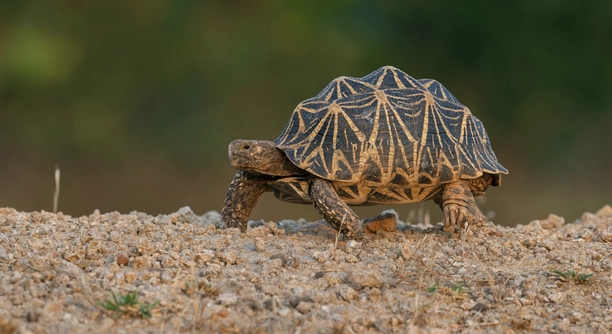
Anxiety is a common concern for Indian star tortoises, and it’s essential to understand how to help them feel more secure. Their well-being can be impacted by stress, so reducing anxiety is key to ensuring they thrive in captivity.
Reducing anxiety in Indian star tortoises involves creating a peaceful environment, offering appropriate hiding spots, and maintaining consistent routines. Ensuring proper care with adequate space and temperature control helps alleviate stress, promoting their overall comfort and health.
With a few simple changes, you can make a positive difference in your tortoise’s daily life. Let’s explore the best ways to reduce their stress and keep them happy and calm.
Create a Calm and Safe Environment
Indian star tortoises are naturally shy and tend to get stressed in unfamiliar surroundings. It’s important to design a habitat that helps them feel secure. Start by choosing an enclosure with enough space for them to roam around comfortably. A small, cramped space will only increase their anxiety. You can add soft substrate, such as coconut coir or soil, to make them feel more at ease. Avoid using materials that may irritate their sensitive skin, like rough sand.
A quiet area is key, so place the enclosure away from noisy places like busy rooms or loud appliances. Bright lights and sudden movements can also be unsettling for them. Keep their space calm by controlling light exposure, using soft lighting during the day, and dimming it at night. Regularly cleaning the space and removing any harmful objects is also crucial to reduce stress.
Keeping the environment calm and predictable allows your tortoise to feel more comfortable, reducing anxiety. The more secure they feel, the more they’ll thrive in their habitat.
Provide Hiding Spots
A few well-placed hiding spots can work wonders in reducing anxiety.
Tortoises are naturally inclined to seek shelter when feeling threatened. Adding items like rocks, logs, or plants will give your tortoise spaces to retreat to when they need a break. This is a simple yet effective way to give them more control over their environment.
Maintain Consistent Routines
Tortoises thrive on consistency. A sudden change in their daily routine can stress them out. Establish a feeding schedule, and try to keep it the same each day. This helps them know when to expect food, light, and interaction.
A consistent routine also applies to their lighting and temperature needs. Tortoises depend on the right heat levels for digestion and overall health. If you keep these factors stable, it can help your tortoise feel more relaxed. They will adapt to the patterns, reducing anxiety caused by unpredictability.
Consistency in handling is just as important. Try not to pick them up too often or too roughly. Gentle and calm interactions help avoid making them feel threatened.
Provide Proper Diet and Hydration
A balanced diet plays a major role in a tortoise’s stress levels.
When a tortoise doesn’t receive the proper nutrients, they can become weak or agitated. Offer a variety of fresh greens, vegetables, and some fruits to ensure they get all necessary vitamins and minerals. Avoid feeding them high-protein foods too often, as this can upset their digestive system.
It’s equally important to make sure they have access to fresh water every day. Dehydration can lead to health problems and stress. Provide a shallow dish that’s easy for them to access, and change the water regularly. Proper hydration can help keep them calm and prevent discomfort.
Avoid Overcrowding
Indian star tortoises are solitary creatures and don’t like being surrounded by too many others. Overcrowding can make them feel anxious and territorial.
If you have more than one tortoise, make sure each has enough space. Avoid placing too many in one enclosure, as it can lead to stress and fighting. Even with plenty of room, some tortoises may prefer to be alone.
Control Temperature and Humidity
Maintaining the right temperature and humidity is crucial for tortoises’ health and comfort.
Indian star tortoises require a warm environment with a basking area around 90°F. The cooler side of the enclosure should be around 75°F. Humidity levels should be between 50-70%, which can be controlled using a misting system or by adding a water dish.
Too much heat or humidity can cause distress, while insufficient conditions can lead to health problems. Regularly monitor their habitat to ensure it stays within these ideal ranges. A controlled environment helps minimize anxiety and encourages natural behaviors.
Minimize Sudden Movements
Tortoises are easily startled by sudden movements, which can increase their anxiety.
Keep their environment calm by moving slowly and gently around their enclosure. Avoid quick motions that might scare them, especially when you’re cleaning or changing things in their space. Keeping the experience peaceful and predictable helps them feel safer.
FAQ
How do I know if my Indian star tortoise is stressed?
Stress in tortoises is often visible through their behavior. If your tortoise is excessively hiding, refusing food, or moving erratically, it may be stressed. They might also withdraw into their shell more than usual or act lethargic. Changes in their typical routine or habits could be a sign that something is wrong. Additionally, if they start showing signs of aggression toward their enclosure mates, it’s worth checking their environment for stressors.
Can I keep multiple Indian star tortoises together?
While it is possible to keep more than one Indian star tortoise in the same space, it’s important to make sure each one has enough room. Overcrowding can cause stress, and there may be fights, especially if there aren’t enough hiding spots. If you have multiple tortoises, ensure they each have separate, comfortable areas. If possible, observe them for signs of aggression or discomfort.
What temperature should I keep my Indian star tortoise’s enclosure at?
The ideal temperature for your tortoise’s basking area should be around 90°F (32°C). The cooler side of the enclosure should be around 75°F (24°C). These temperature gradients help your tortoise regulate its body heat. It’s important to keep the enclosure within this range to prevent stress caused by temperature fluctuations.
How much should I feed my Indian star tortoise?
Indian star tortoises require a varied diet of fresh greens, vegetables, and some fruits. Offer a mix of leafy greens like dandelion greens, collard greens, and mustard greens. You can also provide other veggies like carrots and squash. Feed them daily, but adjust portions based on their size and age. Avoid overfeeding, as this can lead to obesity and related health problems.
Can stress affect my tortoise’s health?
Yes, stress can affect your tortoise’s health. Prolonged stress can lead to a weakened immune system, making them more susceptible to illnesses. Stress also impacts their digestion and overall well-being. In severe cases, it may even lead to behavioral changes like aggression or a refusal to eat. By addressing the stress factors, you can help your tortoise live a healthier, more comfortable life.
How often should I clean my Indian star tortoise’s enclosure?
Clean your tortoise’s enclosure regularly to maintain a healthy environment. Spot clean daily by removing uneaten food, waste, and any soiled substrate. A more thorough cleaning, including changing the substrate, should be done every 2-3 weeks. Regular cleaning ensures there are no harmful bacteria or mold, which can stress your tortoise.
Should I provide a UVB light for my tortoise?
Yes, UVB lighting is essential for Indian star tortoises to synthesize vitamin D3, which helps with calcium absorption. Without UVB light, they can develop metabolic bone disease and other health issues. Ensure your tortoise has access to UVB light for 10-12 hours a day. If you have a natural sunlight source, you can use that, but be cautious of overheating or overexposure.
What type of substrate is best for my tortoise?
Coconut coir, cypress mulch, or organic soil are good substrates for Indian star tortoises. These materials are soft and comfortable for your tortoise to walk on, and they help maintain proper humidity levels. Avoid using sand or gravel, as they can irritate your tortoise’s skin or cause digestion issues if ingested.
Can I bathe my Indian star tortoise to help with stress?
Occasionally bathing your tortoise in lukewarm water can help with hydration and relieve some stress. However, it should not be done too frequently, as it may cause them additional discomfort. Never use cold or hot water, and always supervise your tortoise during the bath to ensure they are safe.
How do I create hiding spots for my tortoise?
Hiding spots are essential to help your tortoise feel safe. You can create these by adding natural items like rocks, logs, or plants. A shallow ceramic dish or plastic hide can also work well. The idea is to give your tortoise a place to retreat when it feels threatened or overwhelmed. Make sure the hiding spots are easily accessible and big enough for your tortoise to comfortably enter.
Is it safe to let my Indian star tortoise roam outside?
Allowing your tortoise to roam outside is fine as long as you ensure the environment is safe. Make sure the area is free of predators and hazards like sharp objects or toxic plants. Keep an eye on the temperature and humidity levels to make sure they remain within the tortoise’s needs.
How do I prevent my tortoise from getting too hot?
To prevent overheating, make sure your tortoise has a cool area within the enclosure to retreat to. The cooler side of the enclosure should be maintained at around 75°F (24°C). Always check their basking area temperature and avoid letting it rise above 95°F (35°C) to prevent heat stress.
What are common health issues caused by stress in tortoises?
Stress can lead to various health problems in tortoises, including loss of appetite, dehydration, weight loss, and shell deformities. Chronic stress can also weaken their immune system, making them more susceptible to infections. If you notice any unusual behavior or symptoms, it’s essential to consult a vet.
How do I handle my Indian star tortoise without stressing it?
When handling your tortoise, always be gentle and slow. Avoid picking them up suddenly or by the legs, as this can cause fear. Support their body evenly, especially the bottom, to make them feel secure. Limit handling to short periods to reduce stress. Let your tortoise move at its own pace and only interact when it feels comfortable.
Taking care of an Indian star tortoise requires attention to their physical and emotional needs. Just like any pet, they can experience stress, and it’s essential to create an environment that helps them feel calm and secure. By providing proper space, hiding spots, and a consistent routine, you can significantly reduce their anxiety. Monitoring the temperature, humidity, and their diet also plays a major role in their overall well-being. Making sure their habitat is set up correctly and maintaining a predictable daily routine are simple yet effective ways to keep them healthy and happy.
Stress in tortoises can lead to a variety of health problems, so it’s important to stay vigilant about any changes in their behavior. If your tortoise is hiding more than usual, refusing food, or showing signs of aggression, it may be a signal that something in their environment needs adjustment. Overcrowding, temperature fluctuations, or poor diet can all contribute to stress. It’s always a good idea to reassess their habitat regularly and make necessary changes. A healthy tortoise will feel comfortable in its surroundings, and that comfort is key to their long-term well-being.
In the end, reducing stress in Indian star tortoises is about creating a stable, secure environment where they can thrive. The more predictable their daily routine, the more likely they are to remain calm and healthy. By providing the right temperature, diet, and space, and paying attention to any signs of stress, you’ll be able to enjoy your tortoise’s company for many years. Taking these steps will ensure that your pet not only survives but thrives in a peaceful and comfortable home.

Hello,
If you enjoy the content that we create, please consider saying a "Thank You!" by leaving a tip.
Every little bit helps us continue crafting quality advice that supports the health, happiness, and well-being of pets around the world, for pets of all shapes, sizes, and species.
We really appreciate the kindness and support that you show us!