
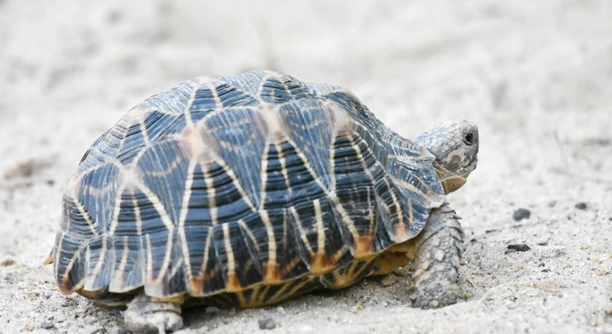
Indian Star Tortoises are fascinating creatures, and successfully incubating their eggs can be crucial for breeding. If you’re interested in this process, it’s important to follow best practices to ensure healthy hatchlings.
To incubate Indian Star Tortoise eggs, maintain a temperature range of 85-88°F (29-31°C) with humidity levels around 70-80%. Use a moist substrate like vermiculite to ensure proper hydration, and avoid frequent handling to minimize stress on the eggs.
By following these guidelines, you’ll better understand the process and provide the ideal conditions for a successful incubation.
Choosing the Right Incubation Setup
Setting up the right incubation environment is vital for Indian Star Tortoise eggs. To start, choose a good incubator designed to maintain stable temperatures and humidity levels. Make sure the incubator is large enough to comfortably fit the eggs, but not too big as it could cause fluctuations in conditions.
Humidity is one of the most important factors in the incubation process. The air inside the incubator should have enough moisture to keep the eggs hydrated. If humidity is too low, the embryos can dry out, resulting in failed hatches. Consider using a hygrometer to measure the humidity levels accurately.
Additionally, the substrate you use for the eggs should allow for proper moisture retention without being too wet. A mix of vermiculite and perlite works well, as it holds moisture while still providing enough ventilation. It’s crucial to monitor and adjust the moisture as needed throughout the incubation period.
Maintaining Temperature and Humidity
The temperature range of 85-88°F is ideal for incubating Indian Star Tortoise eggs.
Staying within this range promotes the right metabolic conditions for embryo development. If the temperature fluctuates too much, the chances of hatching decrease. Humidity, as previously mentioned, must stay between 70-80% to prevent the eggs from drying out.
Both factors work together to ensure healthy egg development. You may want to invest in a temperature controller to keep the environment stable and consistent. This can prevent major temperature swings that may impact the eggs’ growth. With steady care, you can help the eggs develop into healthy hatchlings.
Egg Handling and Turning
Handling the eggs with care is essential. When moving or adjusting them, avoid turning them upside down as this can harm the embryo. Only turn the eggs gently and ensure they stay in the same position as when laid.
Turning the eggs about once a day helps prevent the embryos from sticking to the shell. Make sure to handle them gently when moving them, as excessive jostling can disrupt development. Using a soft cloth or gloves while touching the eggs can help reduce the risk of contamination or injury.
During the incubation period, minimize direct handling of the eggs. Too much disturbance can cause stress, which may affect their development. Keep the eggs in a stable, quiet environment, away from other pets or distractions.
Monitoring Egg Development
Monitoring the eggs is crucial to ensuring they are developing correctly. You can check them with a process called candling, where you gently shine a light through the egg to check for signs of embryo growth.
Candling helps you see if the embryo is growing properly and detect any issues like improper development or infection. Make sure to only candle the eggs once every week to minimize stress. Keep track of any changes you observe and adjust the incubator conditions accordingly.
You may also notice the eggs changing color as they approach hatching. They will usually become slightly opaque, indicating that the embryo is maturing. At this stage, stop turning the eggs and let them remain undisturbed until they hatch.
Egg Hatching Process
The hatching process is a delicate time. As the embryos near their hatching date, they will begin to break through the eggshell. This can take several hours or even days.
Once the eggs start to hatch, avoid interfering. Let the hatchlings emerge on their own. They will absorb the remaining yolk sac for nourishment and remain in the egg for a short time before leaving. If the egg hasn’t fully cracked open, don’t force it.
During this time, humidity levels should remain high to help soften the eggshells and assist the hatchlings. Ensure the incubator temperature stays steady as they complete the hatching process.
Preparing for Hatchlings
Once the eggs hatch, it’s important to have a safe, warm area for the hatchlings to adjust. Make sure the temperature is between 80-85°F, and there is access to fresh water and food.
Hatchlings need time to absorb the yolk sac fully, which will provide nutrients. Don’t rush their transition into a new environment. After a few days, begin offering appropriate food, such as leafy greens and vegetables. Ensure there are no sharp objects or dangers in their habitat. They may be small, but they are ready to explore.
Maintaining a Healthy Incubator
Keep the incubator clean and well-maintained throughout the incubation period. Regularly check for any mold or debris that could affect the eggs’ health.
Make sure the water sources for humidity are fresh and free from contaminants. It’s essential to keep the temperature and humidity levels stable for the duration of the incubation. Regularly monitor these levels with a thermometer and hygrometer, adjusting the settings as necessary to keep the environment ideal for egg development.
FAQ
What is the ideal temperature for incubating Indian Star Tortoise eggs?
The ideal temperature for incubating Indian Star Tortoise eggs is between 85-88°F (29-31°C). Maintaining this range promotes healthy embryo development. If temperatures fluctuate, it can negatively impact the eggs, leading to poor hatching rates or weak hatchlings. Using a thermostat and an incubator with stable heat sources can help maintain this temperature consistently.
How often should I turn the eggs?
It’s recommended to turn the eggs once a day. Turning them helps prevent the embryos from sticking to the shell, allowing proper development. If you turn the eggs too much, it can disrupt the development, so it’s best to keep the handling minimal. Always make sure to turn them gently and return them to their original position to avoid causing harm.
Can I use any incubator for tortoise eggs?
Not all incubators are suitable for tortoise eggs. A reliable incubator designed for reptiles with adjustable temperature and humidity controls is crucial. It’s also important that the incubator has enough space for the eggs and can provide stable conditions. Look for incubators that allow for both humidity and temperature monitoring.
How do I know if the eggs are fertilized?
Candling is the process used to check if the eggs are fertilized. You can gently shine a bright light through the egg to see if any dark spots or blood vessels are visible inside. If the egg appears clear or only shows minimal signs of development, it may be infertile. This should be done carefully to avoid disturbing the eggs too much.
What humidity level should I maintain in the incubator?
Maintaining humidity levels between 70-80% is ideal for tortoise eggs. Too much moisture can lead to mold growth, while too little moisture can cause the eggs to dry out. Using a hygrometer to monitor and adjust the humidity will help maintain the proper environment for healthy egg development.
How long does it take for Indian Star Tortoise eggs to hatch?
Indian Star Tortoise eggs generally take between 60 to 90 days to hatch, depending on the conditions in the incubator. Temperature and humidity levels can influence the exact time. Warmer temperatures may speed up the process, while cooler conditions can extend the incubation period.
Can I help a hatchling out of its egg?
No, it’s important not to interfere with the hatchling as it emerges. Most hatchlings will take hours or even a few days to fully break out of the egg. It’s vital to let them do this on their own, as prematurely removing them can cause injury or stress, leading to health issues.
What should I do after the eggs hatch?
Once the eggs hatch, move the hatchlings to a warm, secure habitat. They need a temperature range of 80-85°F (27-29°C) and access to fresh water. It’s important to let them rest for a few days before offering food. Make sure the environment is free from any hazards, and provide leafy greens and safe vegetables when they are ready to start eating.
How can I prevent my incubator from overheating?
To prevent overheating, regularly monitor the temperature with a thermometer, and ensure the incubator has proper ventilation. Avoid placing the incubator in direct sunlight or near heat sources that can cause temperature fluctuations. You can also use a temperature controller to help regulate the heat and prevent overheating.
What should I do if I notice mold on the eggs?
If you notice mold on the eggs, you should remove the mold immediately. Mold can affect the health of the eggs and lead to infection. Clean the eggs gently with a soft cloth or paper towel, and make sure the incubator’s humidity levels are adjusted properly. A small amount of ventilation may help prevent further mold growth.
Final Thoughts
Incubating Indian Star Tortoise eggs requires attention to detail, patience, and consistency. The process involves maintaining proper temperature and humidity levels to ensure healthy development. Monitoring the eggs regularly and turning them gently can make a significant difference in hatching success. While the incubation period can be long, staying committed to the right conditions will give the eggs the best chance for successful hatching.
It’s also important to handle the eggs carefully and avoid disturbing them too much. Excessive handling or disruption can cause stress and negatively affect the developing embryos. By ensuring that the eggs are kept in a stable environment, you can create the ideal conditions for the hatchlings to grow strong. Once the eggs hatch, providing the newborns with a safe and comfortable space is crucial for their survival. A well-prepared environment with appropriate warmth, water, and food is essential for their healthy growth.
In the end, successful egg incubation comes down to understanding the needs of the eggs and the hatchlings. By following best practices and keeping a close eye on the environment, you can increase the likelihood of healthy, thriving tortoises. With time and care, you’ll be able to enjoy watching the young tortoises grow and develop into strong adults. The process may require patience, but the reward of successfully hatching and caring for Indian Star Tortoises is well worth the effort.

Hello,
If you enjoy the content that we create, please consider saying a "Thank You!" by leaving a tip.
Every little bit helps us continue crafting quality advice that supports the health, happiness, and well-being of pets around the world, for pets of all shapes, sizes, and species.
We really appreciate the kindness and support that you show us!