
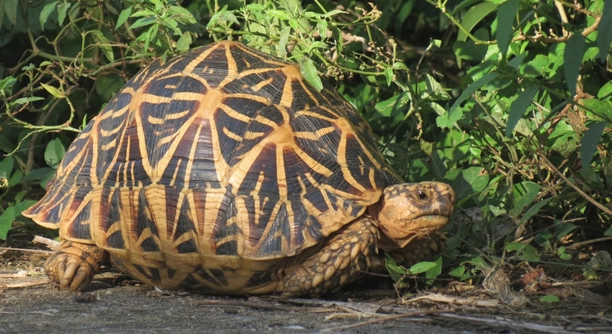
If you’ve noticed your Indian Star Tortoise ignoring its food bowl, it can be concerning. Understanding why this happens is essential for ensuring its well-being. There are several factors that could be contributing to this behavior.
The main reason your Indian Star Tortoise might ignore its food bowl is stress or environmental changes. Tortoises are sensitive to their habitat, and a change in temperature, lighting, or enclosure setup can cause them to lose interest in food.
Understanding these factors will help you address any potential issues and ensure your tortoise remains healthy and well-nourished.
Stress and Environmental Factors
Stress is a common reason why your Indian Star Tortoise might not be eating. A change in its environment can cause it to feel insecure, leading to a lack of appetite. Factors like temperature fluctuations, changes in lighting, or noisy surroundings can contribute to this stress. Tortoises prefer stable environments, and when their space is altered, they might refuse food until they feel safe again. This can be especially noticeable if the food is new or placed in an unfamiliar location.
To avoid this, try to maintain a consistent environment. Make sure the temperature in the enclosure stays within the recommended range. Sudden changes in the setup can cause distress, so it’s important to keep things as predictable as possible. Consider adding hiding spots or plants that provide a sense of security.
Keeping the enclosure clean and quiet, and making gradual changes will help reduce stress. Tortoises may be slower to adapt to changes, but over time, they should begin eating again as they become more comfortable.
Unfamiliar Food or Routine
Tortoises can be creatures of habit, and any change in food or feeding routine can cause them to lose interest. If you’ve recently switched their food type or feeding schedule, they might not recognize the new offering. Indian Star Tortoises prefer consistency, and introducing unfamiliar food can sometimes result in them turning away. Sticking to a regular feeding time and familiar foods can help maintain their appetite.
Try offering a variety of foods within their normal diet, and ensure they have access to fresh water. If they remain uninterested, consider returning to the previous food they liked and slowly introducing new items over time.
Regularity in both food and feeding time is key to maintaining a healthy appetite.
Health Issues
A sudden loss of appetite could signal an underlying health issue in your tortoise. Respiratory infections, parasites, or digestive problems might make it uncomfortable to eat. If your tortoise has symptoms like lethargy, nasal discharge, or abnormal behavior, it could be an indication of illness.
Make sure to monitor for any unusual signs. If your tortoise is not eating, it’s important to act quickly to rule out any health problems. A visit to the vet specializing in reptiles is advised if symptoms persist for more than a few days. A proper diagnosis can prevent further complications.
Many common health issues in tortoises are treatable if addressed early. In the meantime, make sure your tortoise is staying hydrated and remains in a clean, comfortable environment. Avoid forcing food into its mouth, as it may cause further stress.
Overfeeding
Overfeeding can also lead to your tortoise ignoring its food bowl. If it has been eating too much recently, it may not be hungry and will refuse food. Tortoises need a balanced diet, and offering too much food at once can make them less likely to eat.
Adjusting the amount of food you offer at each feeding session can help restore a proper balance. Make sure to only provide enough food for your tortoise to consume within a reasonable time. This way, your tortoise won’t feel overwhelmed or overfed and will be more likely to eat.
If your tortoise continues to refuse food despite a controlled feeding routine, it may be due to other factors, such as health or environmental stress. Keep track of its feeding behavior, and consider revisiting its overall care routine.
Temperature Issues
Indian Star Tortoises are highly sensitive to temperature. If their enclosure is too hot or too cold, they might stop eating. Ensure that their habitat stays within the appropriate range, typically between 75°F to 85°F (24°C to 29°C) during the day.
A temperature gradient is important, giving your tortoise access to both warmer and cooler areas. If the heat is too intense, your tortoise may become stressed. Conversely, low temperatures can cause sluggishness and a lack of appetite. Monitoring the enclosure with a thermometer can help prevent these issues.
If you notice a significant temperature fluctuation, adjust the heating system or consider moving the enclosure to a more stable area. This can help your tortoise feel more comfortable and encourage it to eat again.
Lighting Concerns
Tortoises need proper UVB lighting to stay healthy. Lack of UVB light can lead to calcium deficiencies, causing your tortoise to feel unwell and avoid food. Ensure your tortoise has access to UVB light for at least 10–12 hours a day.
UVB lighting helps tortoises absorb calcium, which is essential for their bone health. If your tortoise’s lighting system is inadequate, it might exhibit signs of stress, such as loss of appetite. Replace the UVB bulbs regularly, as their effectiveness decreases over time.
Be sure that your tortoise has access to natural sunlight or a UVB light source during its active hours to maintain its well-being.
Mating Season
During mating season, your tortoise’s behavior can change. Appetite loss is common, especially in males. They may become more focused on searching for a mate or defending territory, rather than eating. This behavior is typical and usually temporary.
Ensure that the enclosure remains comfortable, and avoid making any sudden changes during this time. If your tortoise is still ignoring food after the season passes, it might indicate other health or environmental concerns.
Monitor your tortoise’s behavior closely. Mating season-related changes are often short-lived, and normal feeding habits should resume afterward.
FAQ
Why isn’t my Indian Star Tortoise eating?
There are several possible reasons your tortoise may not be eating. It could be due to stress from environmental changes, improper temperature or lighting, overfeeding, health issues, or even mating season behavior. Start by checking the temperature, lighting, and diet, as these are the most common causes. If everything seems normal but your tortoise still isn’t eating, consider seeing a vet for a health checkup. It’s important to monitor any other symptoms like lethargy, nasal discharge, or difficulty moving, which could signal an underlying health issue.
How can I tell if my tortoise is stressed?
Stress in a tortoise can be identified through behavioral changes. If your tortoise is not eating, becomes more withdrawn, or is pacing the enclosure, these can be signs of stress. Environmental stressors, such as a noisy environment, sudden temperature shifts, or changes in the enclosure setup, may also cause these reactions. Tortoises are sensitive to change, so maintaining a stable habitat is crucial for their comfort.
What temperature should I keep my tortoise’s enclosure?
Indian Star Tortoises prefer an enclosure temperature ranging between 75°F to 85°F (24°C to 29°C) during the day. At night, the temperature should be slightly lower but not fall below 70°F (21°C). A temperature gradient within the enclosure allows your tortoise to move between warmer and cooler areas to regulate its body temperature. Keeping the enclosure too cold or too hot can result in health problems and loss of appetite.
How do I know if my tortoise is sick?
Signs of illness in a tortoise include lethargy, refusal to eat, nasal discharge, wheezing, or swollen eyes. If your tortoise is avoiding food and showing any of these symptoms, it’s a good idea to take it to a vet. Health issues such as respiratory infections, parasites, or metabolic bone disease can cause loss of appetite. A vet can properly diagnose and treat your tortoise to ensure its well-being.
Can I feed my tortoise too much?
Yes, overfeeding is a common issue for tortoises. Offering too much food, especially high-calcium or high-fat foods, can lead to obesity and loss of appetite. It’s important to offer appropriate portions of food and avoid overfeeding. Typically, tortoises only need a small amount of food that they can finish within an hour. If you are unsure of how much to feed, consider consulting a vet or doing some research based on your tortoise’s specific dietary needs.
What kind of food should I offer my Indian Star Tortoise?
Indian Star Tortoises are primarily herbivores and should have a diet rich in high-fiber plants like grasses, leaves, and flowers. Offer a variety of leafy greens, such as dandelion, collard greens, and clover. Avoid feeding them high-oxalate foods, such as spinach, as they can interfere with calcium absorption. Fresh vegetables and some fruits can be given occasionally, but these should not make up the bulk of their diet. Ensure fresh water is always available.
How long can a tortoise go without eating?
Indian Star Tortoises can survive for extended periods without food, especially if they are healthy and hydrated. However, if your tortoise hasn’t eaten for a few days, it’s best to investigate the cause. While it can handle occasional fasting, a prolonged lack of food may indicate stress, illness, or other underlying issues that require attention. If the refusal to eat continues for more than a week, it’s important to consult a vet.
How often should I feed my tortoise?
Tortoises, particularly young ones, should be fed every day. As they age, feeding frequency can be reduced to every other day or even every third day, depending on the individual tortoise’s needs and size. Offering food at the same time each day can help establish a routine, and removing any uneaten food after a few hours is recommended to prevent spoilage. Keep an eye on your tortoise’s eating habits and adjust feeding times based on its activity and health.
Can I feed my tortoise fruit?
Fruit should be offered sparingly as a treat, not a regular part of the diet. While fruits are a source of vitamins, they are also high in sugar and can upset your tortoise’s digestive system if fed in excess. Consider offering fruits such as melon, berries, or apple in small amounts every once in a while, but they should not exceed 10-15% of your tortoise’s overall diet.
How can I ensure my tortoise is getting enough calcium?
Calcium is vital for bone health and metabolic function in tortoises. To ensure your Indian Star Tortoise gets enough calcium, offer calcium-rich foods like dark leafy greens, such as collard greens and turnip greens. You can also provide calcium supplements, either in the form of a powdered supplement sprinkled on food or a calcium block placed in the enclosure. If your tortoise has access to natural sunlight or UVB light, it will absorb calcium more effectively.
Can my tortoise get too hot?
Yes, your tortoise can get too hot, especially if the temperature in its enclosure exceeds 90°F (32°C) for extended periods. Overheating can cause your tortoise to become stressed, dehydrated, and lethargic. It may stop eating, and in extreme cases, heatstroke can occur. To prevent overheating, ensure that the enclosure has a temperature gradient and that your tortoise can move to cooler areas when needed. Avoid placing the enclosure in direct sunlight for long periods.
Final Thoughts
Understanding why your Indian Star Tortoise may be ignoring its food bowl involves looking at several factors. Environmental conditions, such as temperature, lighting, and humidity, play a significant role in your tortoise’s appetite. Ensuring that these factors are optimal is the first step toward encouraging your tortoise to eat. If the conditions are right and your tortoise still refuses food, then stress, illness, or a dietary imbalance may be the cause. It’s important to address these possibilities calmly and methodically, so your tortoise can feel comfortable and healthy.
It’s essential to keep in mind that a tortoise’s eating habits can vary depending on its age, size, and specific needs. Young tortoises may eat more frequently and in larger quantities, while adults may eat less often. However, if there’s a noticeable change in behavior, such as sudden refusal to eat, it’s time to investigate further. Often, the solution may be as simple as adjusting the enclosure temperature or lighting. In some cases, your tortoise may require a health check to rule out any underlying medical issues, such as respiratory infections or parasites.
In any case, patience is key when dealing with your tortoise’s eating habits. A healthy tortoise should be eating regularly and showing active behaviors. However, if there’s concern that your tortoise is not eating, it’s best not to wait too long before seeking professional advice. Regular check-ups with a reptile veterinarian can ensure that your tortoise is in good health and thriving. Remember, every tortoise is different, so observe carefully and take appropriate steps to address any issues early on.

Hello,
If you enjoy the content that we create, please consider saying a "Thank You!" by leaving a tip.
Every little bit helps us continue crafting quality advice that supports the health, happiness, and well-being of pets around the world, for pets of all shapes, sizes, and species.
We really appreciate the kindness and support that you show us!