
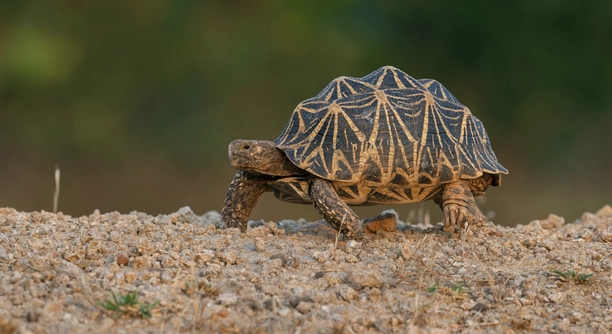
Dehydration in Indian Star Tortoises can be a serious issue that affects their health. Knowing how to identify and prevent it is crucial to ensure their well-being. Understanding the signs and solutions will keep your tortoise happy and healthy.
To identify dehydration in Indian Star Tortoises, observe for signs such as sunken eyes, dry skin, and lethargy. Ensure they have access to fresh water and maintain proper humidity levels in their environment to prevent dehydration and its harmful effects.
Proper hydration is essential for maintaining your tortoise’s health and preventing long-term issues.
Recognizing the Signs of Dehydration in Indian Star Tortoises
Dehydration in Indian Star Tortoises can be tricky to spot at first. Early signs often include sunken eyes and dry, wrinkled skin. If your tortoise becomes more sluggish than usual or shows a lack of interest in food, it could be dehydrated. Pay close attention to how often your tortoise drinks water. Dehydration can also cause a change in the texture of their shells, making them appear dull and brittle. In severe cases, a dehydrated tortoise may stop moving around or even refuse to eat altogether. By regularly checking for these signs, you can act quickly to prevent dehydration from causing further harm.
Maintaining the right conditions in their habitat plays a key role in keeping your tortoise hydrated. This includes proper humidity levels, a fresh water source, and a balanced diet with foods that naturally contain moisture.
A lack of hydration can lead to serious health issues such as kidney damage and other internal problems in Indian Star Tortoises. It’s vital to keep their habitat at the correct temperature and humidity levels. Offer fresh water daily, and make sure they have access to both drinking water and misting. Diets rich in fruits and vegetables, like watermelon and cucumber, help hydrate them naturally. If your tortoise doesn’t drink water on its own, try soaking them gently in lukewarm water to encourage hydration. Always ensure the water is clean, as contaminated water can cause other health issues. A combination of water sources, proper habitat, and a hydrating diet will keep your tortoise in good health and prevent dehydration.
Preventing Dehydration in Indian Star Tortoises
Preventing dehydration is more straightforward when proper care is taken. Regularly monitor your tortoise’s behavior and make adjustments to their environment as needed.
Providing a consistent and adequate water source is essential for preventing dehydration. In addition to a shallow dish for drinking, consider adding a water bowl deep enough for them to soak. Soaking for 20-30 minutes a few times a week can help keep hydration levels up. Along with water, offering water-rich foods can assist in meeting their hydration needs. Items like strawberries, cucumbers, and leafy greens should be part of their regular diet. These foods contain a high water content that helps prevent dehydration from occurring.
Humidity levels are another factor to consider. Too low of humidity can lead to excessive water loss, while too much can promote mold growth. Make sure your tortoise’s enclosure is equipped with a hygrometer to monitor humidity. Regular misting with a spray bottle will help maintain proper moisture levels. This way, your tortoise has both a water source and a properly humid environment, which helps them stay hydrated.
Importance of Proper Hydration
Proper hydration is essential for the overall health of your Indian Star Tortoise. Dehydration can cause long-term health issues, including organ damage. By maintaining consistent hydration, you ensure they stay active and healthy.
Regular access to fresh water and a moist environment keeps your tortoise in the best possible condition. Their natural habitats provide moisture from dew, rain, and surrounding vegetation. Replicating these conditions in your enclosure is key. The right humidity levels combined with a steady water source will reduce the risk of dehydration. Soaking your tortoise in shallow water once a week can also help keep them hydrated and healthy.
Another crucial aspect is their diet. Including water-rich vegetables and fruits can provide hydration through food. Leafy greens like kale and romaine lettuce, along with fruits like melon and strawberries, are ideal choices. The right diet paired with a proper environment will help prevent dehydration, keeping your tortoise comfortable and healthy.
Maintaining the Right Environment
The environment plays a significant role in keeping your Indian Star Tortoise hydrated. Proper humidity and temperature are essential for preventing dehydration.
Humidity in the tortoise’s enclosure should be maintained between 50% to 70%. This is important because low humidity levels can lead to dehydration. Ensure that there is a humid hide or moist area in the habitat to provide comfort. A shallow water dish is also necessary to encourage your tortoise to drink. Avoid placing the water in direct sunlight, as this can cause the water to evaporate quickly.
Heating lamps should be used to create a temperature gradient, allowing your tortoise to regulate its body temperature. Make sure the temperature is between 80-90°F during the day, dropping to around 70°F at night. This will allow your tortoise to stay active without becoming dehydrated due to excessive heat. Keep the water clean by changing it daily to avoid any contamination. A well-maintained environment with the right humidity and temperature ensures that your tortoise stays hydrated and healthy.
Monitoring Your Tortoise’s Health
Regularly check your tortoise for signs of dehydration. Dry or wrinkled skin and sunken eyes are common indicators. Early intervention can prevent more serious health issues down the line.
Keep an eye on their eating and drinking habits. If they’re not drinking water or are eating less, it could be a sign they’re dehydrated. When you notice these changes, try to increase their water intake by offering soaked vegetables or gently soaking your tortoise in lukewarm water. A well-maintained enclosure with adequate humidity also plays a role in preventing dehydration from worsening.
Hydration through Diet
Incorporating hydrating foods into your tortoise’s diet helps maintain hydration. Fruits like watermelon and cucumbers are rich in water and provide natural hydration.
Along with water-rich fruits, leafy greens such as lettuce and kale should be a regular part of their diet. These vegetables contain moisture and also offer essential vitamins and minerals that support overall health. Offering a variety of hydrating foods will ensure your tortoise remains hydrated while also giving them a balanced, nutritious diet. Always wash fresh produce before feeding it to avoid contaminants.
Soaking Your Tortoise
Soaking your tortoise in lukewarm water is an effective way to ensure they stay hydrated. Place them gently in a shallow dish of water for about 20-30 minutes.
Soaking allows your tortoise to absorb water directly through their skin and helps increase their overall hydration. Be sure to monitor the water temperature; it should not be too hot or cold. Soaking can be done a few times a week or more often if you notice signs of dehydration. This simple step can be a crucial part of your tortoise’s hydration routine.
FAQ
What are the signs that my Indian Star Tortoise is dehydrated?
Common signs of dehydration include sunken eyes, dry or wrinkled skin, lethargy, and a lack of interest in food. If your tortoise is not drinking water or becomes sluggish, it could be a sign of dehydration. Pay attention to any changes in behavior and look for signs of dryness in their shell and skin. Regularly checking for these symptoms will help you identify dehydration early and prevent further health issues.
How can I prevent dehydration in my tortoise?
To prevent dehydration, ensure your tortoise has constant access to fresh water. Keep the water clean and change it daily. Providing a shallow water dish for drinking and soaking is also helpful. Offer water-rich foods like cucumbers, watermelon, and leafy greens, which support hydration. Additionally, maintain the right humidity levels (50-70%) in their habitat to prevent excessive water loss. A proper diet and a well-maintained environment will go a long way in keeping your tortoise hydrated.
Can I hydrate my tortoise through its food?
Yes, you can help hydrate your tortoise by offering water-rich vegetables and fruits. Watermelon, cucumbers, strawberries, and leafy greens are excellent choices. These foods contain a high moisture content and can assist in maintaining hydration. Incorporating these into your tortoise’s regular diet can reduce the risk of dehydration, especially when combined with adequate water access and a suitable environment.
How often should I soak my Indian Star Tortoise?
Soaking your tortoise in lukewarm water once a week is typically enough, but you can soak it more frequently if signs of dehydration are present. Soaking for 20-30 minutes allows your tortoise to absorb water through its skin. Be sure the water temperature is just right—neither too hot nor too cold. Regular soaking ensures your tortoise stays hydrated, especially if it’s not drinking enough on its own.
Can dehydration affect my tortoise’s shell?
Yes, dehydration can cause your tortoise’s shell to become dry, brittle, and dull. A hydrated tortoise has a healthy, smooth shell. Dehydration can also lead to other issues, such as kidney problems and difficulty shedding. Maintaining proper hydration through water, diet, and soaking helps protect the shell and overall health of your tortoise.
Is it safe to give my tortoise tap water?
Tap water is generally safe for your tortoise, but it depends on the quality of your local water supply. If your tap water contains high levels of chlorine or fluoride, it may be best to let it sit out overnight before using it, allowing these chemicals to dissipate. Alternatively, you can use filtered or bottled water if you’re concerned about the quality of your tap water.
What should the humidity level be for my tortoise’s enclosure?
The humidity in your tortoise’s enclosure should be kept between 50-70%. Too much humidity can promote mold growth, while too little can cause dehydration. You can use a hygrometer to monitor the humidity levels. Regular misting and providing a humid hide will help maintain the right balance, supporting your tortoise’s hydration.
What should I do if my tortoise refuses to drink water?
If your tortoise refuses to drink, you can try soaking it in lukewarm water for 20-30 minutes. Gently immerse your tortoise to encourage drinking. Additionally, you can offer water-rich foods such as cucumber or watermelon. If the refusal to drink persists, it may indicate a health issue, and a visit to the vet is recommended.
How can I make sure my tortoise is staying hydrated in the winter?
During colder months, the environment can dry out more quickly, increasing the risk of dehydration. To prevent this, ensure your tortoise’s enclosure has appropriate humidity levels, even during winter. You can also provide extra hydration through regular soaking sessions and offering water-rich foods. Use a heat source to maintain an ideal temperature range (80-90°F during the day, 70°F at night). Keep an eye on your tortoise’s water intake and adjust as needed during the colder months.
Why is my tortoise’s skin dry, and how can I fix it?
Dry skin in a tortoise often indicates dehydration. Ensure your tortoise has constant access to clean water and offer water-rich foods. You can also soak them in lukewarm water to encourage hydration. If the skin continues to appear dry, check the humidity levels in their enclosure, as low humidity can also contribute to dry skin. Proper hydration and environment adjustments should fix the issue.
Can I use a humidifier in my tortoise’s enclosure?
Yes, using a humidifier can help maintain proper humidity levels in your tortoise’s enclosure, especially in dry climates or during winter. A humidifier can ensure a consistent moisture level without needing to mist the enclosure constantly. Just be sure the humidity doesn’t exceed 70%, as excessive moisture can lead to other health issues like mold growth.
What temperature is best for my tortoise’s enclosure?
The ideal temperature for your tortoise’s enclosure should range from 80-90°F during the day. A cooler area with a temperature of 70°F at night allows your tortoise to regulate its body temperature. Maintaining these temperature gradients, along with proper humidity, will help keep your tortoise comfortable and hydrated. Make sure to provide heat lamps to ensure a stable and warm environment for your tortoise.
Final Thoughts
Dehydration is a serious issue for Indian Star Tortoises, but it is also preventable with the right care. Regularly monitoring your tortoise for signs of dehydration and providing adequate water and hydration-rich foods are essential steps in keeping your tortoise healthy. Ensuring they have access to clean, fresh water at all times is key, and incorporating fruits and vegetables that are high in water content will support their hydration needs. Pay close attention to their behavior and physical condition, and always be proactive in managing their environment.
Soaking your tortoise in lukewarm water can be a helpful technique to ensure they stay hydrated. This not only gives them a chance to drink but also allows them to absorb moisture through their skin. However, it’s important not to overdo it, as excessive soaking can lead to other health issues. Providing a proper habitat with the right temperature and humidity is crucial to their overall well-being. A balance of hydration through both water and diet, along with a suitable environment, will ensure your tortoise remains healthy and happy.
Taking the time to learn about your tortoise’s hydration needs will make all the difference in their long-term health. Small steps, such as soaking them regularly and offering water-rich foods, can prevent dehydration from becoming a serious problem. By creating a stable environment and monitoring their behavior closely, you can ensure your Indian Star Tortoise stays hydrated and thrives in your care.

Hello,
If you enjoy the content that we create, please consider saying a "Thank You!" by leaving a tip.
Every little bit helps us continue crafting quality advice that supports the health, happiness, and well-being of pets around the world, for pets of all shapes, sizes, and species.
We really appreciate the kindness and support that you show us!