
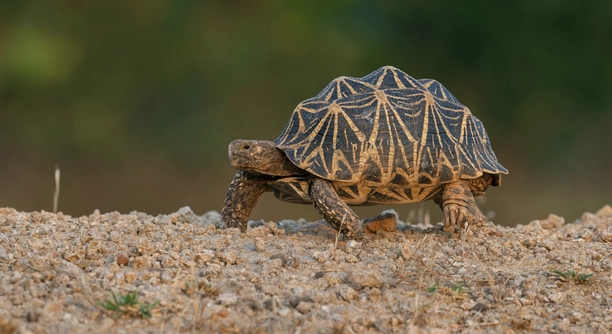
Indian Star Tortoises are fascinating creatures, known for their distinct patterns and behaviors. If you own one, you may have observed some unusual habits, like digging at night. Understanding the cause of this behavior is essential.
Tortoises are known to dig at night due to their natural instincts and environmental factors. It is often a way for them to create a comfortable, secure space to rest. The digging may also be influenced by temperature, humidity, and other factors.
This behavior is part of their natural routine. Understanding it helps ensure their well-being and guides proper care for your pet tortoise.
Why Do Indian Star Tortoises Dig at Night?
Indian Star Tortoises are naturally inclined to dig, especially during the nighttime. This behavior is not unusual and is tied to their instinctual need to feel secure and comfortable. In the wild, tortoises often dig to create a safe burrow, protecting themselves from predators and extreme weather conditions. The night is typically a time when they are more active in their natural environment. This digging behavior allows them to find cooler or warmer spots depending on their needs. When your tortoise is digging at night, it is most likely attempting to replicate this same natural process.
Although digging is normal, it can sometimes be linked to other factors like stress or discomfort in their environment. If their enclosure is too small or lacks hiding spaces, they may dig more frequently as a form of exploration or seeking security. The digging can also be a response to temperature fluctuations, so ensuring their habitat is stable can reduce excessive nighttime activity.
Your tortoise’s digging can also reflect its need for stimulation. In captivity, they may dig when they feel a lack of proper enrichment. A well-designed enclosure that mimics their natural habitat with hiding spots and space to roam can help reduce this. Providing a balanced diet and sufficient opportunities for exercise may also limit the frequency of digging. Ensuring the tortoise’s habitat is suited to its needs will allow it to feel secure and minimize unnecessary nighttime activity.
How to Minimize Nighttime Digging
While nighttime digging is natural, there are ways to reduce it. First, ensure your tortoise has a spacious and comfortable environment.
One simple solution is to create an enclosure with hiding spots that replicate the security of burrows. This can help your tortoise feel more relaxed. Adding a proper substrate that holds moisture and provides some depth for digging will also allow your tortoise to express its natural behaviors while keeping nighttime digging under control.
Temperature and Humidity
Temperature and humidity play a significant role in a tortoise’s digging behavior. If your tortoise’s environment is too hot or too cold, it may dig to regulate its body temperature.
A consistent temperature range of 75°F to 85°F during the day, with a slight drop at night, is ideal. Humidity should also be kept around 60%-70% to ensure your tortoise’s comfort. If the environment is not within this range, your tortoise may dig as a way to seek a more favorable spot. Using a thermometer and hygrometer will help maintain the right balance.
Investing in proper heating elements, such as ceramic heat emitters, will ensure a stable temperature. Consider providing a warm area where your tortoise can bask and a cooler area where it can retreat. Additionally, misting the substrate can help maintain humidity levels. Monitoring these factors consistently will prevent discomfort and unnecessary nighttime digging.
Stress and Enclosure Size
A small or overly crowded enclosure can lead to stress, causing your tortoise to dig at night. When they feel confined or uncomfortable, digging can serve as a way to cope.
Ensure your tortoise has enough space to roam freely. A larger enclosure will give it room to explore and reduce the likelihood of digging due to stress. It’s also crucial to provide hiding places within the enclosure. These provide security and allow your tortoise to retreat when it feels threatened. If your tortoise feels safe, it may dig less, especially at night.
Sometimes, adding some plants or natural elements like rocks can help replicate a more natural environment. This may give your tortoise a sense of security, reducing its need to dig for comfort. The goal is to create a well-balanced, stress-free environment that promotes calm and reduces unnecessary digging.
Natural Behavior
Digging is a natural behavior for Indian Star Tortoises. In the wild, they dig to find shelter and regulate temperature.
Tortoises use digging as a survival tactic to stay cool or warm. They may also dig to create a space where they can feel secure. When digging at night, they are simply following instincts.
Diet and Nutrition
A poor diet may also influence a tortoise’s digging habits. If they are not receiving enough nutrients, they may become more restless and dig.
Ensure your tortoise’s diet is varied and balanced, with plenty of fiber, calcium, and vitamins. A healthy diet supports overall well-being and helps reduce unwanted behaviors.
FAQ
Why does my tortoise dig during the night?
Tortoises are naturally nocturnal, and their instinct to dig is heightened at night. In the wild, digging serves as a way to regulate temperature and create secure spaces for rest. Your tortoise may dig at night to feel safe or to adjust its environment for comfort.
How can I stop my tortoise from digging at night?
To reduce digging, make sure your tortoise’s enclosure is large enough and has areas that mimic a natural habitat. Adding hiding spots, like logs or rocks, can provide a sense of security. Also, ensure the temperature and humidity are kept at optimal levels to prevent discomfort.
Is it normal for my tortoise to dig all the time?
Frequent digging can be normal, especially if your tortoise is adjusting to a new environment. However, excessive digging might indicate stress, improper habitat conditions, or a need for more stimulation. Offering more space, hiding spots, and enrichment can help reduce this behavior.
Can temperature affect my tortoise’s digging habits?
Yes, temperature plays a significant role. If the environment is too hot or too cold, your tortoise may dig to find a more comfortable spot. Make sure the habitat stays within the ideal range, which is between 75°F to 85°F during the day, with a slight drop at night.
Does my tortoise dig because it’s stressed?
Stress can contribute to increased digging. A small or crowded enclosure, lack of hiding spots, or sudden changes in the environment can make your tortoise feel insecure. Providing a larger, more comfortable space with places to hide will help your tortoise feel more at ease and reduce stress-related digging.
What kind of substrate should I use to prevent excessive digging?
Using a deep, soft substrate, like coconut coir or cypress mulch, will allow your tortoise to dig naturally without stress. It should also retain some moisture to maintain proper humidity. Avoid using sand or gravel, as these can be uncomfortable and harmful to your tortoise’s health.
Can a poor diet cause my tortoise to dig more?
Yes, a poor diet can contribute to increased digging behavior. Tortoises need a balanced diet rich in fiber, vitamins, and calcium to stay healthy. If your tortoise is lacking proper nutrition, it may become restless, leading to behaviors like digging. Make sure to feed your tortoise a variety of fresh greens and occasional supplements.
How can I know if my tortoise is digging out of boredom?
If your tortoise has no room to roam or explore, it may dig out of boredom. This is more likely if your tortoise shows interest in new objects or spaces. Adding enrichment like rocks, logs, or new plants can help keep your tortoise stimulated and reduce boredom-induced digging.
Can I provide nighttime lighting to stop digging?
Nighttime lighting is generally not recommended for tortoises. They naturally prefer to sleep during the night, and artificial lights can disrupt their circadian rhythm. Instead of lighting, focus on maintaining proper temperature and humidity levels during the day to ensure your tortoise feels secure at night.
How often should I check my tortoise’s enclosure for digging?
Regularly checking your tortoise’s enclosure is important for ensuring that it’s safe and comfortable. You should check at least once a week to ensure that the substrate is in good condition and the temperature and humidity are appropriate. If excessive digging occurs, investigate for signs of stress or discomfort in the environment.
Is it a sign of illness if my tortoise is digging at night?
In most cases, digging is not a sign of illness. However, if the digging is accompanied by other symptoms like lethargy, loss of appetite, or weight loss, it may be worth consulting a veterinarian. It’s always best to monitor your tortoise’s overall behavior and health to rule out any medical concerns.
Final Thoughts
Understanding why your Indian Star Tortoise digs at night is essential for creating a comfortable environment. Digging can be a natural behavior for your tortoise, as they instinctively seek shelter or try to regulate their body temperature. However, if it becomes excessive, there could be underlying causes such as stress, improper habitat conditions, or a poor diet. By observing your tortoise’s behavior and ensuring its environment is appropriate, you can minimize unwanted digging and provide a better quality of life.
Creating a suitable habitat is crucial for your tortoise’s well-being. This includes offering enough space, hiding spots, and maintaining a consistent temperature and humidity level. A comfortable, stress-free environment will allow your tortoise to feel secure, which can reduce unnecessary digging at night. Also, make sure the enclosure mimics their natural habitat as much as possible. This could include adding plants, rocks, and other elements that allow your tortoise to feel at home. These adjustments can significantly decrease its need to dig and help it live a healthier life.
While some digging is completely normal, it’s important to ensure your tortoise is not digging due to discomfort or stress. By providing the right diet, appropriate environmental conditions, and plenty of enrichment, you can reduce excessive digging and ensure your tortoise remains happy. If the behavior persists or is accompanied by other concerning signs, it may be time to consult with a veterinarian. Addressing the cause early can lead to a healthier and more content tortoise.

Hello,
If you enjoy the content that we create, please consider saying a "Thank You!" by leaving a tip.
Every little bit helps us continue crafting quality advice that supports the health, happiness, and well-being of pets around the world, for pets of all shapes, sizes, and species.
We really appreciate the kindness and support that you show us!